


Dehing Patkai Butterflies: 165 Species Recorded

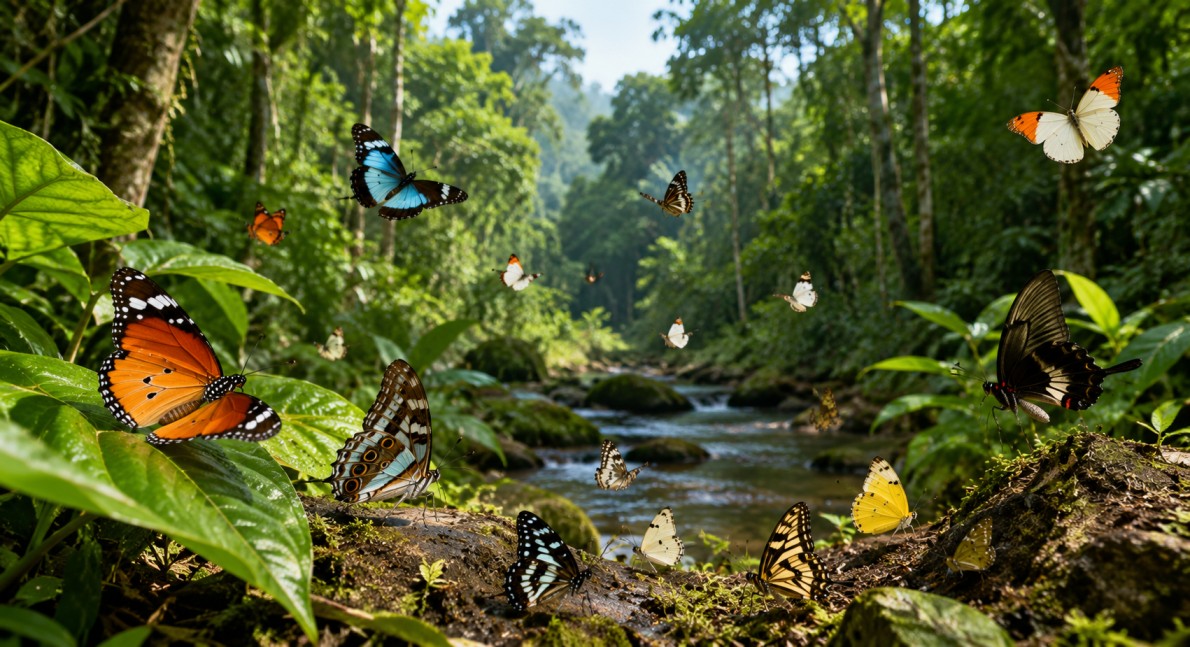
Dehing Patkai Butterflies have drawn fresh attention after a biodiversity survey in 2026 recorded 165 butterfly species in Dehing Patkai National Park, Assam. The survey also reported 37 endangered species, highlighting the rich natural diversity of one of Northeast India’s important rainforest landscapes. Located across the Dibrugarh and Tinsukia districts of Assam, Dehing Patkai National Park covers around 234.26 square kilometres and is widely known for its tropical wet evergreen forests and unique wildlife.
The latest butterfly record adds to the growing understanding of the Dehing Patkai ecosystem and shows why the protection of rainforest habitats remains important. Northeast India is already recognised as one of the richest regions in the country for butterfly diversity, and surveys such as this help researchers and conservationists understand changes in local ecosystems.

Dehing Patkai National Park and Its Rich Biodiversity
Dehing Patkai National Park is located in eastern Assam and forms part of the larger Dehing Patkai rainforest ecosystem. The region is known for dense forests, high rainfall, and a wide variety of plants and animals. Its rainforest landscape provides suitable habitats for insects, birds, mammals, reptiles, and many other forms of wildlife.
Butterflies are especially important in biodiversity studies because they are sensitive to changes in their surroundings. Changes in forest cover, temperature, rainfall, and plant diversity can affect butterfly populations. For this reason, scientists often study butterflies to better understand the overall health of an ecosystem.
The recording of 165 butterfly species in the park reflects the importance of Dehing Patkai as a major wildlife habitat in Assam. The presence of endangered species also increases the need for continued conservation and regular biodiversity monitoring.
Butterfly Survey Across Assam and Arunachal Pradesh
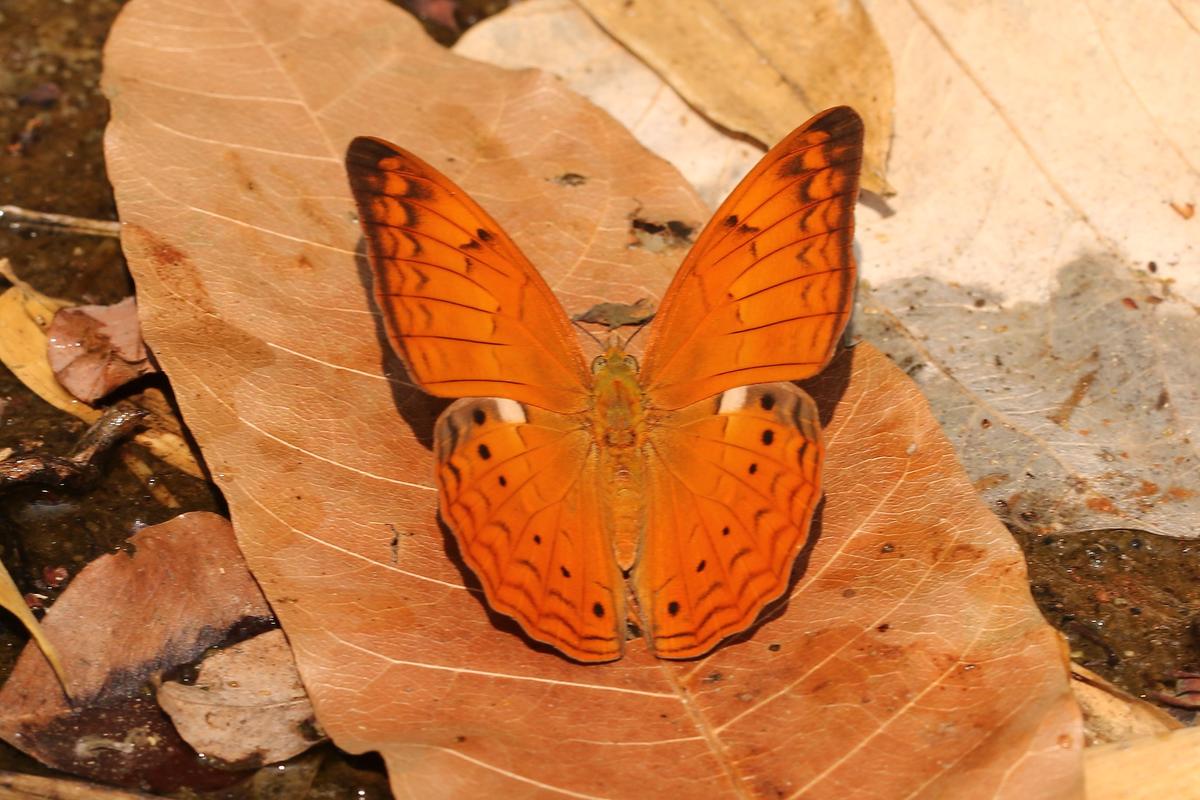
The fourth annual Dihing Patkai National Park Biodiversity and Butterfly Trail was held from 28 July to 31 July 2026. The survey covered rainforest areas in Assam as well as nearby locations in Arunachal Pradesh. Across all the surveyed sites, more than 260 butterfly species were documented.
Different locations recorded a wide variety of butterfly species. Jaipur in Assam recorded more than 60 species, while the Deomali Range in Arunachal Pradesh’s Tirap district recorded around 57 species. About 68 species were observed at Siring Mamoroni village in the Lakhipathar range, and around 78 species were reported from the Saraipung range.
The survey also recorded capped langurs at Jaipur, showing that the biodiversity trail was not limited to butterflies alone. Such observations provide a broader picture of wildlife found across the forest landscapes of Northeast India.
Why Butterflies Matter for Forest Conservation
Butterflies belong to the order Lepidoptera, which also includes moths. India is home to more than 1,500 butterfly species, with the Himalayan and northeastern regions supporting a particularly large variety.
Butterflies depend on specific plants for food and reproduction. Adult butterflies often feed on nectar, while caterpillars may depend on particular host plants. As a result, the loss of native vegetation or forest habitats can directly affect butterfly populations.
The latest Dehing Patkai survey comes at a time when biodiversity conservation, habitat protection, and climate change are major environmental concerns around the world. Rising temperatures, changing rainfall patterns, deforestation, and human activity can affect sensitive rainforest ecosystems. Monitoring species diversity can help identify environmental changes at an early stage.
Growing Interest in Northeast India’s Wildlife
The 2026 biodiversity trail involved environmentalists Sohail Madan and Mahendra Basumatary, along with students from Gauhati University, Dibrugarh University, and Tingkhong College. The participation of students and researchers highlights the growing interest in documenting the natural wealth of Northeast India.
Dehing Patkai remains one of Assam’s most important rainforest regions, and the new butterfly survey adds another chapter to its biodiversity story. Continued field surveys and conservation efforts can help protect the region’s forests and improve knowledge about the many species that depend on this unique ecosystem.