Delhi NCR Rustic Bunting Marks Rare Bird Sighting

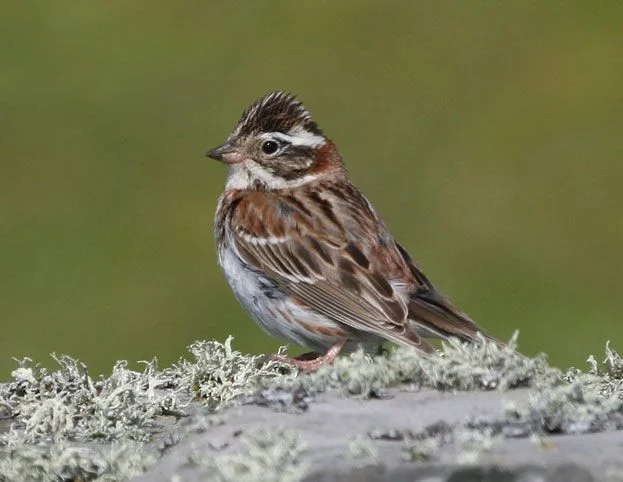
Delhi NCR Rustic Bunting has become a major highlight in the wildlife community after birdwatchers confirmed the presence of this rare species at Najafgarh Jheel. The discovery has created excitement across Delhi NCR because the rustic bunting is almost never seen in India, making this sighting a remarkable record for the region. What began as a routine morning bird survey turned into a significant moment for conservationists, researchers and nature enthusiasts who follow migratory bird patterns across the country.
Thank you for reading this post, don't forget to subscribe!Delhi NCR Rustic Bunting: The Unexpected Discovery
The rare bird was first spotted by local guide Ram Kumar Rawat, who noticed an unfamiliar small passerine perched quietly on a juliflora bush. Realising that the bird did not match commonly seen species, he immediately captured photographs and shared them with his fellow birdwatchers. The pictures raised curiosity, and soon a group of experienced birders joined him for a closer look.
The group spent nearly thirty minutes observing the bird’s movements, markings and behaviour. After careful comparison with known records and field guides, they confirmed that the species was indeed the rustic bunting, marking the first-ever sighting of this bird in the Delhi NCR region. For many observers, this was a once-in-a-lifetime experience, as the bird had never been recorded anywhere within the vast 100 sq km area surrounding the national capital.
This event not only thrilled birdwatchers but also showed how urban wetlands continue to reveal ecological surprises.
Delhi NCR Rustic Bunting: Where It Usually Lives and Migrates
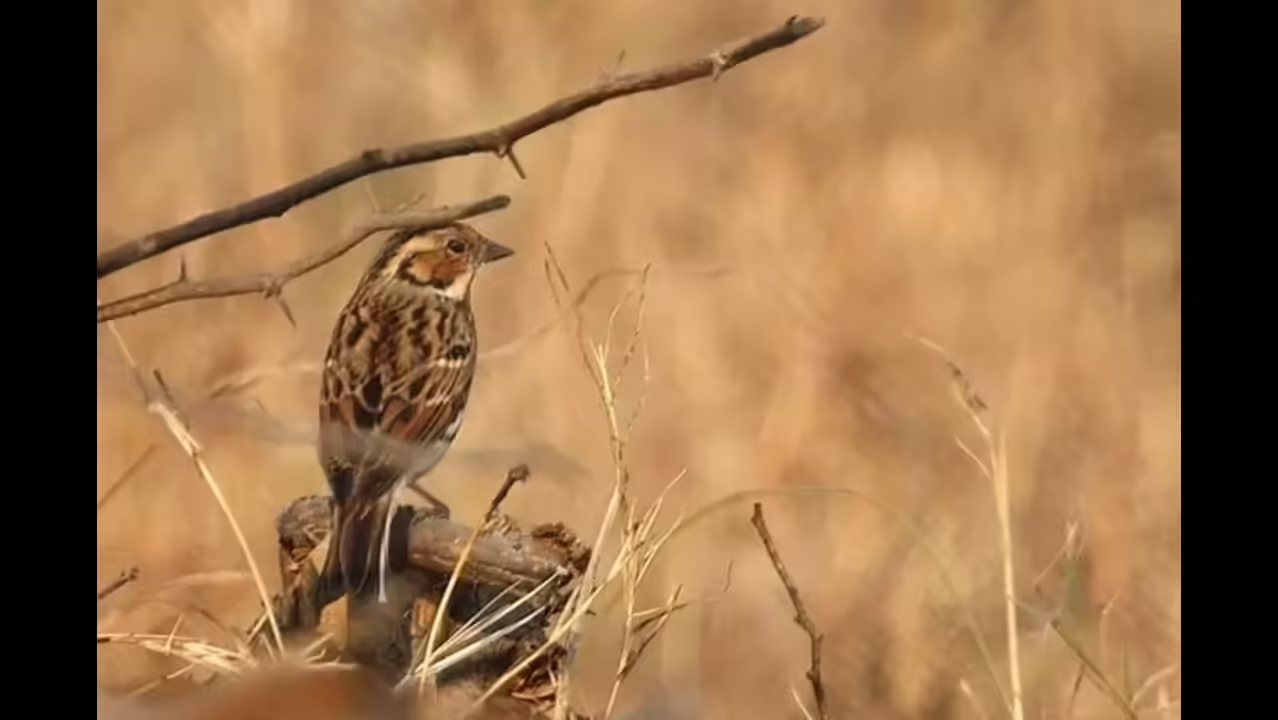
The rustic bunting normally breeds in the northern Palearctic region, especially in wet coniferous forests of Russia, northern Europe and parts of East Asia. During winter, it typically migrates toward East and Southeast Asia, where temperatures are milder.
Seen mostly around forest edges, thickets and shrublands, the species usually follows a predictable migration route. However, its presence in India is extremely unusual. Only a handful of sightings have been reported in the last several years, mostly from:
- The Himalayas
- Ladakh
- Arunachal Pradesh
- Kashmir
These past sightings were limited and spontaneous, indicating that the rustic bunting does not consider India a regular wintering habitat. This makes the Delhi NCR recording all the more significant and scientifically valuable.
Experts believe that climate variations and shifting weather patterns may be influencing the bird’s unexpected travel path.
Delhi NCR Rustic Bunting: Climate Trends and Changing Bird Movements
According to bird specialists and observers at Bird Count India, the arrival of the rustic bunting in Delhi NCR may be linked to colder-than-usual temperatures across parts of Central Asia and Europe. Sudden temperature drops, changes in wind direction and altered food availability often force migratory birds to explore new routes or settle in alternative habitats.
In recent months, similar unusual bird movements have been recorded across India. For example:
- A hawfinch was spotted in Jim Corbett National Park, surprising naturalists.
- A number of migratory species appeared farther south than expected.
- Several wetland birds shifted their timings and locations, suggesting broader ecological changes.
These sightings highlight the growing influence of climate-related shifts in bird migration behaviour. Naturalists emphasise that when a bird like the rustic bunting appears outside its expected zone, it often indicates that large-scale environmental factors are at play.
The Delhi NCR Rustic Bunting discovery is a strong example of how ecological patterns are becoming more unpredictable.
Delhi NCR Rustic Bunting: Why This Sighting Matters for the Region
The appearance of a rare species in an urban wetland shows the ecological importance of places like Najafgarh Jheel. Once widely neglected and threatened by rapid urban expansion, the wetland still serves as a crucial refuge for migratory species during winter.
Najafgarh Jheel supports a variety of birdlife, including ducks, waders, raptors and now, unexpectedly, the rustic bunting. Birding groups point out that this sighting helps reinforce the case for strengthening protection measures around the wetland.
Urban wetlands, despite being close to busy cities, play an essential role in:
- Providing safe resting points for migrating birds
- Supporting unique ecosystems
- Helping maintain local biodiversity
- Regulating microclimates
- Offering nature-based recreational spaces for people
As cities grow, wetlands often come under pressure due to pollution, encroachment and construction. The Delhi NCR Rustic Bunting sighting serves as a reminder that even small patches of nature can hold immense ecological value if preserved.
Delhi NCR Rustic Bunting: Reactions From the Birding Community
Following the confirmed sighting, several Delhi-based birdwatching groups shared the news widely on social media. Photographs of the bird were circulated in nature forums, WhatsApp groups and online bird networks. Many birders rushed to Najafgarh Jheel in hopes of seeing the rustic bunting themselves.
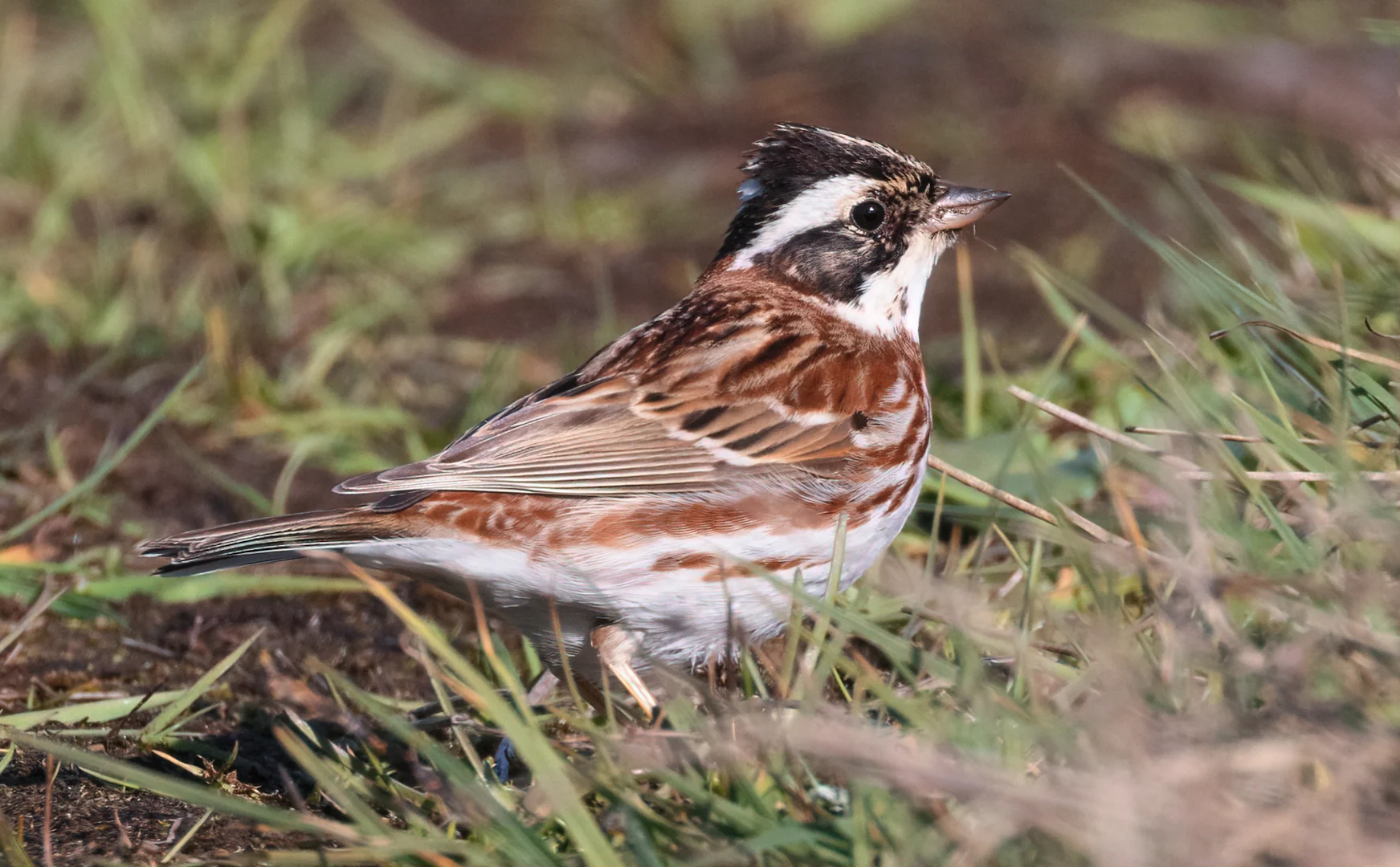
Seasoned ornithologists praised the careful documentation by the group, noting that such sightings require patience, observation skills and proper verification. They highlighted that the discovery is meaningful not only because the bird is rare, but because it contributes valuable data to ongoing research on migratory trends in the region.
Researchers also expressed interest in studying whether this occurrence was a one-time displacement or part of a gradual shift in the species’ winter migration patterns.
Delhi NCR Rustic Bunting: A Boost for Conservation Awareness
The sighting has reignited conversations about sustainable urban planning and the urgency of protecting natural spaces near large metropolitan areas. Conservation experts believe that such moments can motivate authorities and communities to work together toward safeguarding wetlands like Najafgarh Jheel.
They also hope that the attention generated by the Delhi NCR Rustic Bunting sighting will encourage local residents to appreciate the wildlife around them and support initiatives that keep these habitats alive.