



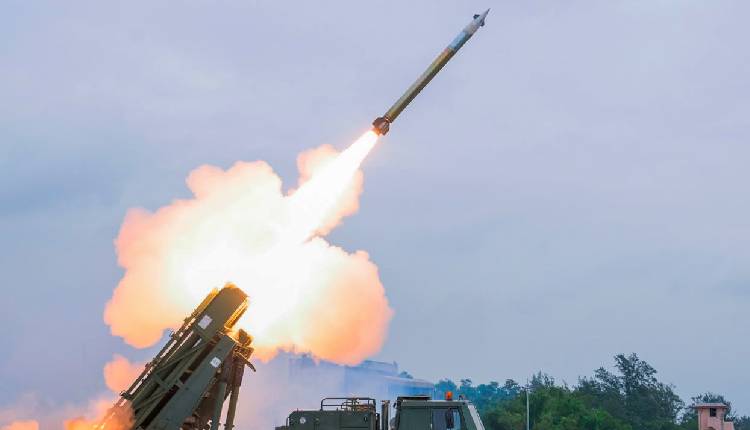
DRDO Missile Technology Transfer Approved

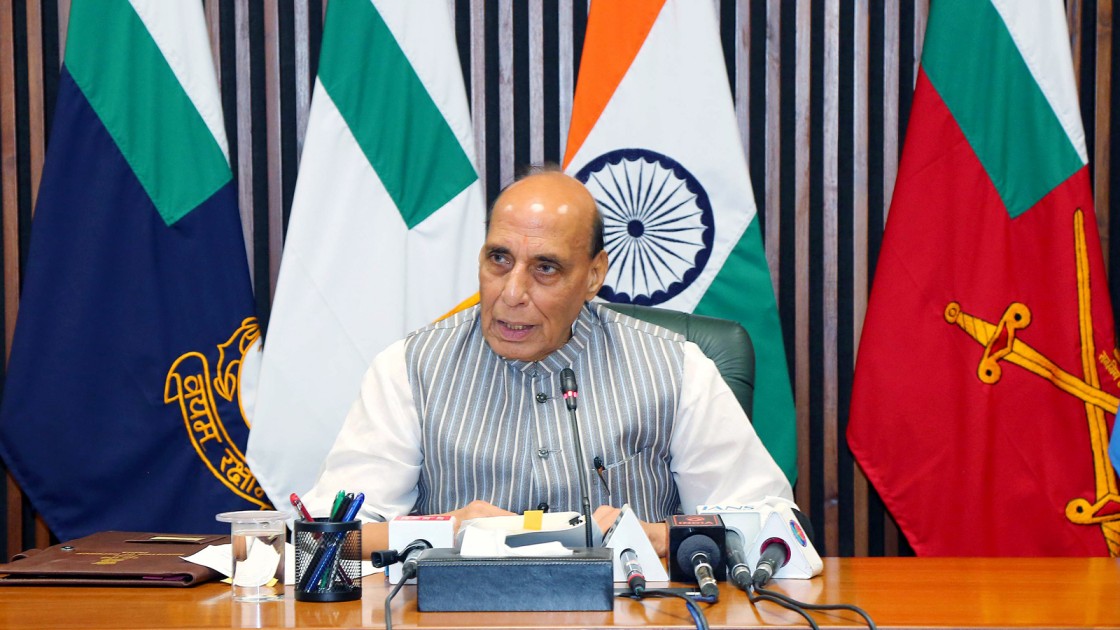
DRDO Missile Technology Transfer has received a major boost after Union Defence Minister Rajnath Singh approved the transfer of technology for all conventional missile systems developed by the Defence Research and Development Organisation (DRDO) to Indian defence industries on 25 August 2026. The decision is aimed at moving missile technologies from the development stage to large-scale production within India.
Thank you for reading this post, don't forget to subscribe!The move is part of the government’s wider effort to strengthen domestic defence manufacturing. By allowing eligible Indian companies to manufacture conventional missile systems, the policy is expected to increase industrial participation, create new supply-chain opportunities and support India’s goal of becoming more self-reliant in defence production.
What Is DRDO Missile Technology Transfer?
DRDO Missile Technology Transfer refers to the process through which technical knowledge developed by DRDO is shared with eligible Indian industries for manufacturing. Technology transfer can include information related to design, production, testing, integration and maintenance.
DRDO develops a wide range of defence technologies through its laboratories and testing facilities. Once a system has completed the required development and qualification process, technology transfer can help industries take it towards larger-scale manufacturing.
The latest approval specifically covers conventional missile systems. These are non-nuclear missile platforms that can be used for different military roles, including tactical operations, air defence and strike missions.
Indian Companies to Play a Bigger Role
The approved framework will allow eligible Indian companies to manufacture the covered missile systems after completing the required qualification, certification and regulatory procedures. This means companies will have to meet technical and quality standards before starting production.
The move can also benefit India’s wider defence manufacturing network. Large defence companies may take responsibility for major systems, while micro, small and medium enterprises (MSMEs) can contribute components, sub-systems, fabrication, testing and maintenance services.
This could help create a stronger domestic supply chain around missile manufacturing and provide more opportunities for Indian technology companies and engineering firms.
Push for Aatmanirbhar Bharat in Defence
The DRDO Missile Technology Transfer decision is closely linked with the government’s Aatmanirbhar Bharat approach. The policy focuses on increasing domestic capabilities in important sectors and reducing dependence on imports.
In defence, self-reliance involves more than manufacturing equipment locally. It also includes developing technologies, building production capabilities, creating reliable supply chains and ensuring long-term maintenance and support within the country.
Technology absorption will therefore be an important part of the process. Indian companies must be able to understand, use and further develop the technical knowledge received through technology transfer.
Earlier Steps to Expand Private Defence Manufacturing
The latest decision follows earlier policy measures aimed at giving Indian private companies a larger role in defence production. In October 2025, the Defence Ministry opened the development and manufacturing of missiles, artillery shells and ammunition to the private sector.
The latest approval strengthens that direction by creating a wider pathway for technologies developed by DRDO to move into industrial production.
The Defence Ministry’s approach also supports cooperation between DRDO, public-sector defence organisations, private companies and MSMEs. Such cooperation can help connect research and development with manufacturing capacity.
Impact on India’s Defence Manufacturing Sector
The transfer of missile technology could help Indian industries increase their role in the defence sector. More domestic manufacturing can support the development of specialised skills, production infrastructure and local suppliers.
It may also reduce the time and cost involved in moving defence technologies from laboratories to production facilities. At the same time, manufacturing will remain subject to technical qualification, certification and other regulatory requirements.
For DRDO, the policy provides an opportunity to focus on developing newer technologies while qualified industries take greater responsibility for production and industrialisation. This separation can help create a stronger connection between defence research and manufacturing.