Exercise Siyom Prahar: Indian Army Demonstrates Advanced Drone Integration in Arunachal Pradesh

Exercise Siyom Prahar was recently conducted by the Indian Army from 8 to 10 September 2025 in the strategically significant region of Arunachal Pradesh. This large-scale field training exercise highlighted the Indian Army’s focus on integrating drone technology into modern tactical operations. Conducted under realistic battlefield conditions, the exercise underscored the transformative role of unmanned aerial systems in enhancing operational readiness and battlefield effectiveness.
Thank you for reading this post, don't forget to subscribe!Objectives of Exercise Siyom Prahar
The primary objective of Exercise Siyom Prahar was to test and refine new tactics, techniques, and procedures (TTPs) for future warfare scenarios. A key goal was to ensure that drones could be employed seamlessly alongside conventional forces, providing real-time intelligence, surveillance, and reconnaissance (ISR). The exercise emphasised rapid decision-making and the effective integration of drone-collected data with traditional combat operations, reflecting the Indian Army’s commitment to modernizing its battlefield strategies.
Beyond testing conventional TTPs, Exercise Siyom Prahar aimed to explore the potential of drones in enhancing situational awareness across all levels of command. Commanders were able to receive live aerial feeds, track troop movements, and make informed decisions without relying solely on ground-based reconnaissance. This ability to process and act on real-time data is particularly vital in dynamic combat environments where enemy positions and strategies can change rapidly.
Another objective was to evaluate the interoperability of drones with other advanced systems, such as artillery targeting modules and secure communication networks. By integrating unmanned aerial systems with existing technological frameworks, the Army sought to optimize the efficiency and speed of battlefield operations. The exercise also provided an opportunity to train personnel in drone handling, maintenance, and tactical deployment, ensuring that both operators and frontline units are adept at leveraging technological advantages.
Overall, Exercise Siyom Prahar emphasized that the future of warfare relies on combining human judgment with cutting-edge technology, ensuring a comprehensive and responsive combat strategy.
Scope of Drone Employment in Exercise Siyom Prahar
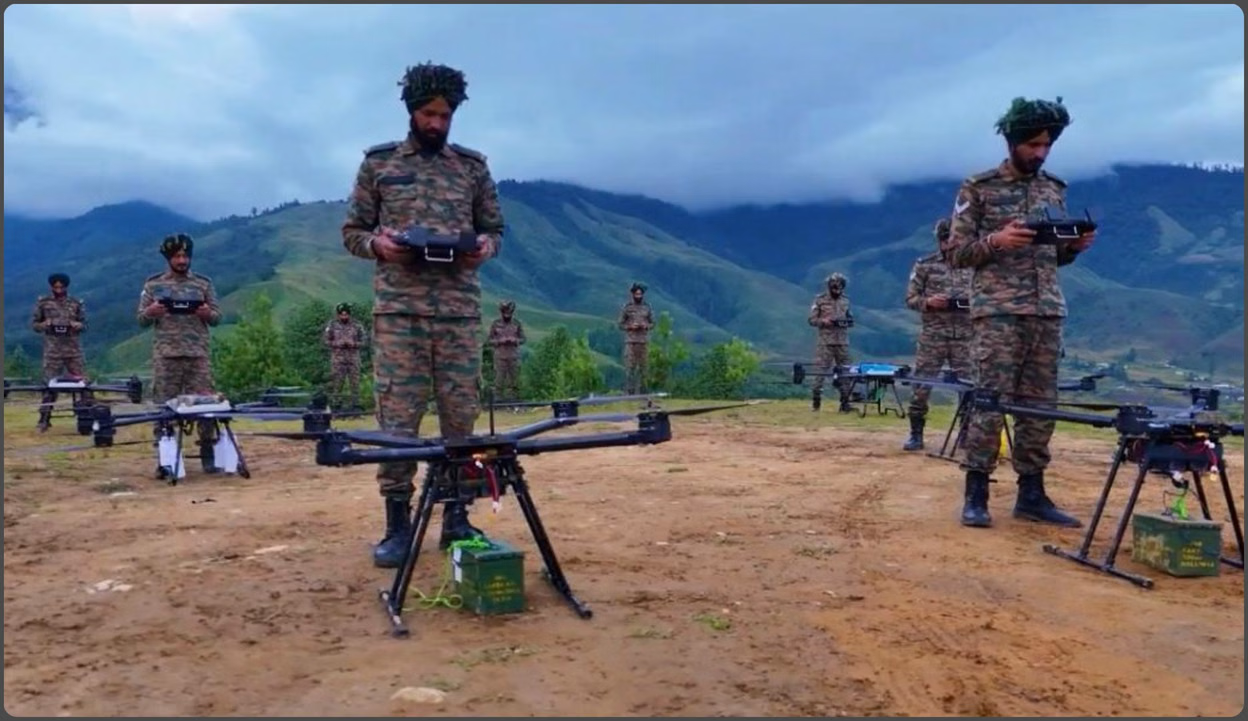
Drones played a pivotal role throughout Exercise Siyom Prahar, being deployed for persistent surveillance, battlefield reconnaissance, target acquisition, and precision strikes. Their application covered multiple operational aspects, demonstrating how unmanned aerial systems can significantly improve situational awareness and combat efficiency. By leveraging drones, commanders were able to assess enemy positions, monitor troop movements, and direct artillery and infantry actions with enhanced precision, thereby bridging the gap between intelligence gathering and tactical execution.
Integration of Conventional Forces in Exercise Siyom Prahar
One of the standout features of Exercise Siyom Prahar was the effective integration of drones with conventional combat arms. The Army explored innovative methods to combine drone inputs with artillery, infantry, and armored operations. Joint targeting protocols were tested to ensure accurate and timely engagement of enemy forces, illustrating the synergy between traditional military capabilities and modern technology. This integration not only amplified the overall firepower but also reinforced the Army’s ability to operate cohesively in complex operational environments.
Operational Innovation Highlighted by Exercise Siyom Prahar
Exercise Siyom Prahar focused on adaptability and rapid response in fluid combat scenarios. The Army tested new operational concepts that enhance flexibility, enabling forces to react swiftly to emerging threats. These innovations included dynamic command structures and real-time coordination between drone operators and field units. By prioritising operational innovation, the exercise reflected the Indian Army’s proactive approach to evolving battlefield dynamics and emerging technological trends.
Lessons Learned from Exercise Siyom Prahar
The outcomes of Exercise Siyom Prahar provided critical insights into operational integration and force multiplication. The exercise highlighted the importance of leveraging technology as a decisive factor in achieving battlefield superiority. It also emphasised the need for continuous training and refinement of TTPs to ensure that both drones and conventional units operate in seamless harmony. These lessons serve as a foundation for future exercises and the broader modernization of the Indian Army’s combat capabilities.
Future Implications of Exercise Siyom Prahar
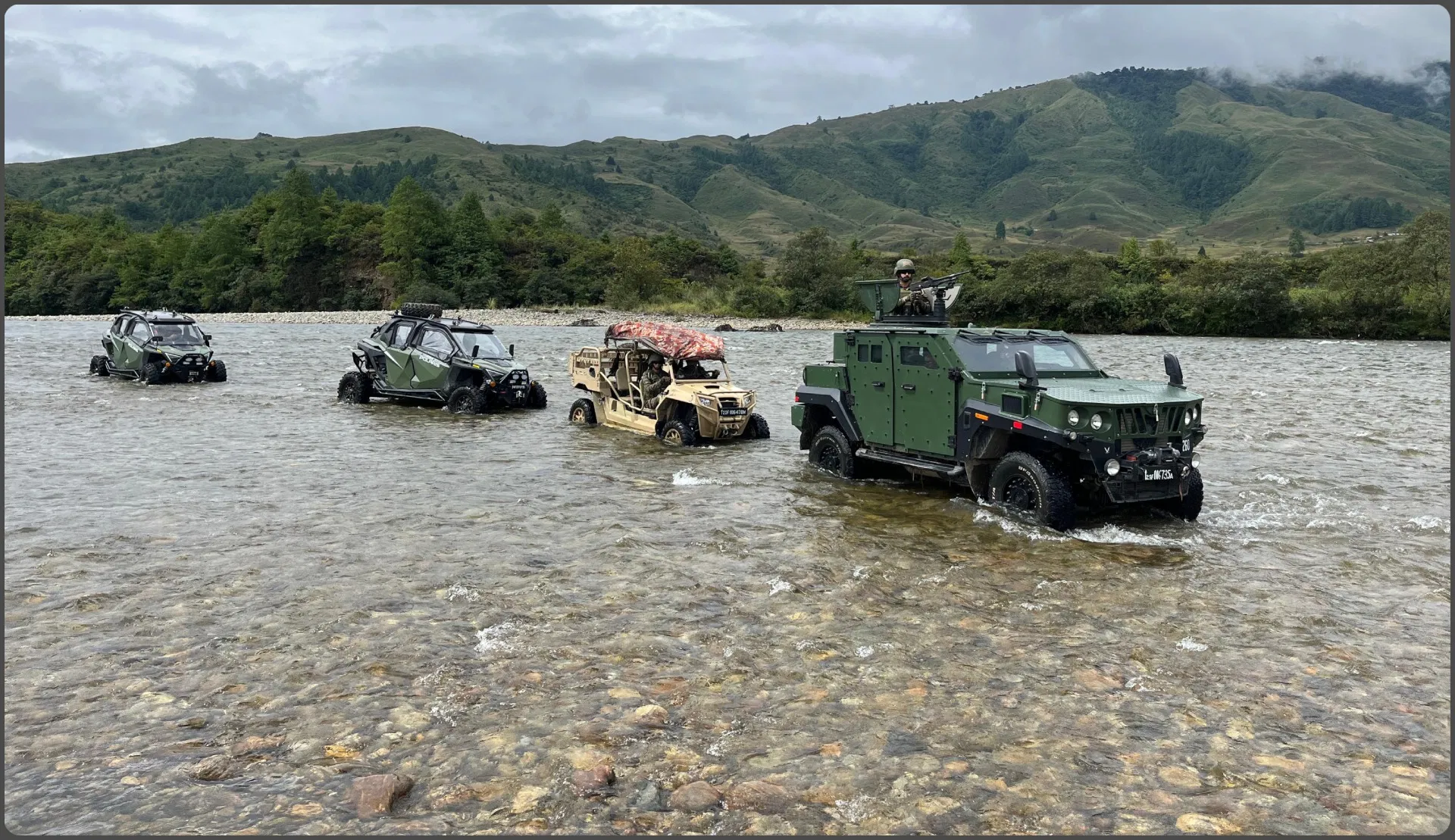
The successful execution of Exercise Siyom Prahar signifies the Army’s ongoing commitment to modern warfare preparedness. By integrating drones into traditional operations, the Indian Army is positioning itself at the forefront of military innovation in the region. The exercise also sets a benchmark for future training initiatives, where emerging technologies like unmanned aerial systems will continue to play a critical role in enhancing operational effectiveness.
In conclusion, Exercise Siyom Prahar not only validated the strategic utility of drones in contemporary combat scenarios but also reinforced the Indian Army’s focus on operational readiness and technological adaptation. With continued investment in unmanned systems and innovative battlefield tactics, the Indian Army is well-prepared to address evolving threats and maintain superiority in future conflicts.