Gandak Gharial Habitat Expansion Marks Major Success in Wildlife Conservation

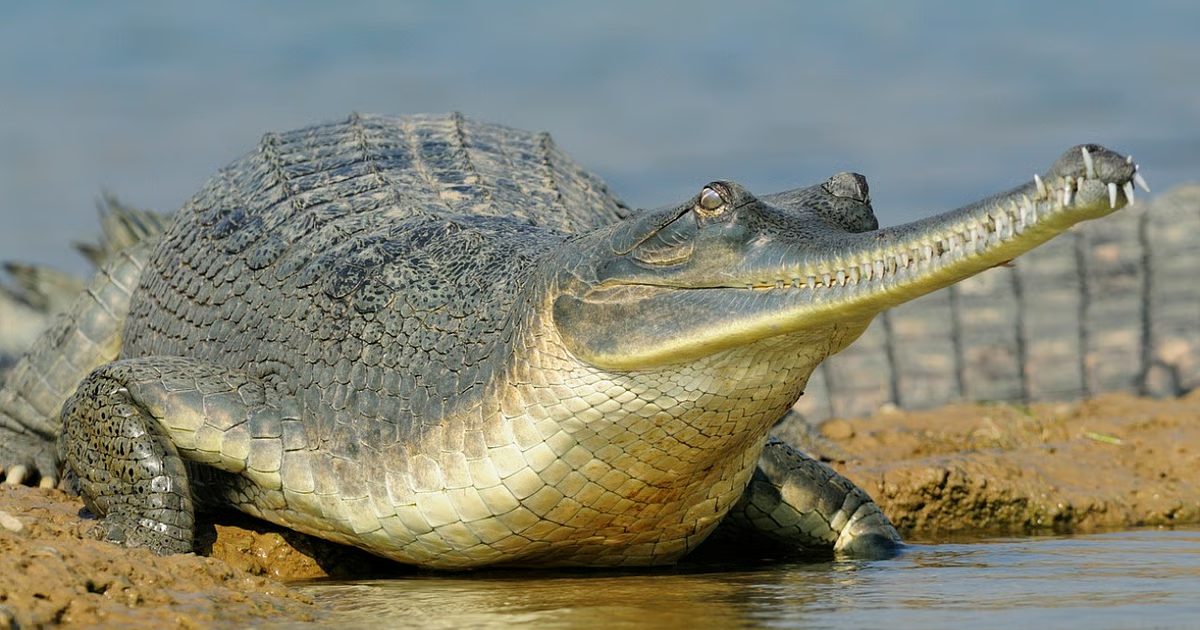
Gandak Gharial Habitat Expansion has become one of India’s most remarkable stories of wildlife restoration in recent years. Flowing along the India–Nepal border through the West Champaran district of Bihar, the Gandak river has emerged as the second most significant riverine habitat for gharials in the subcontinent, after the Chambal river. This transformation has been the result of sustained conservation efforts spanning over a decade, demonstrating that coordinated management and community involvement can revive even critically endangered species.
Thank you for reading this post, don't forget to subscribe!Sharp Rise in Gharial Numbers
The population of gharials in the Gandak has shown a remarkable increase over the past ten years. Forest officials report that the number of adult gharials has surged from just 54 in 2015 to over 400 in 2025. When juveniles and hatchlings are included, the total gharial population in the river has crossed 1,000. This makes the Gandak the second-largest gharial habitat in India, only after the Chambal river, which supports more than 2,400 gharials.
Experts attribute this recovery to the concerted efforts of the Wildlife Trust of India and the Bihar Forest and Environment Climate Department. The combined initiatives have focused on protecting the species, monitoring populations, and releasing captive-bred gharials into the wild. The results clearly show that targeted conservation measures can make a measurable difference in the survival of critically endangered species.
Favourable Habitat and Management Support
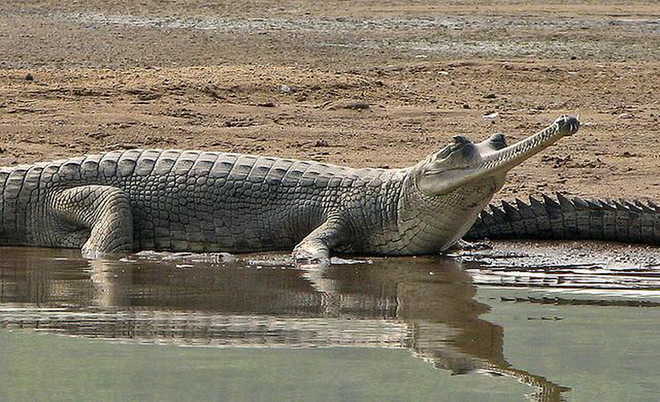
The Gandak’s course through the Valmiki Tiger Reserve in West Champaran district has provided the gharials with an ideal environment. Conservator of Forests and Field Director, Neshamani K, highlighted that the river’s natural conditions, along with improved protection and habitat management, have enabled aquatic life to flourish.
Focused conservation strategies have led to an annual population growth rate of 20–22 percent for gharials in the river. Data from the forest department shows that adult gharials alone have increased by nearly 588 percent between 2015 and 2025. This remarkable rise is a testament to how well-planned habitat management, combined with scientific monitoring, can transform endangered wildlife populations.
Release Programmes and Historical Role
The Gandak river has a long history in gharial conservation. Between 2015 and 2025, around 944 gharials were released into a 326-kilometre stretch of the river, extending from Valmikinagar to Sonepur. In 2025 alone, 212 gharials were released, contributing significantly to the growing population.
Co-project investigator Samir Kumar Sinha noted that the Gandak played an important role in India’s gharial conservation history. Eggs collected from the river in 1975 were used to launch the country’s first captive breeding and release programme at Tikarpada in Odisha. This long-standing tradition of conservation reflects both the ecological importance of the Gandak and India’s commitment to protecting the species.
Community-Based Conservation and Global Significance
The Gandak’s success story is not limited to numbers; it also highlights the role of communities in wildlife conservation. Nest protection is carried out through the active involvement of local residents, volunteers, and trained biologists. Vulnerable nests are relocated to safer areas, and hatchlings are monitored to ensure survival. This hands-on approach strengthens community ties with conservation goals and provides a sustainable model for long-term protection.
International recognition further underscores the importance of the Gandak. The International Union for Conservation of Nature (IUCN) lists it as one of the world’s six major gharial habitats. This global attention emphasizes that the river’s conservation model has lessons not just for India but for other South Asian countries working to protect riverine wildlife.
Strategic Conservation Measures in Action
Experts say that the Gandak example demonstrates how strategic, inclusive, and site-specific conservation methods can revive even critically endangered species. Regular monitoring of population trends, scientific management of habitats, and community-based protection have all contributed to the habitat’s expansion.
The focus on releasing captive-bred gharials into the river ensures genetic diversity and strengthens the overall population. Conservationists also emphasize the importance of protecting aquatic ecosystems as a whole, noting that healthy fish populations are crucial for the survival of fish-eating species like the gharial.
Gandak Gharial Habitat Expansion: Ongoing Efforts and Future Prospects
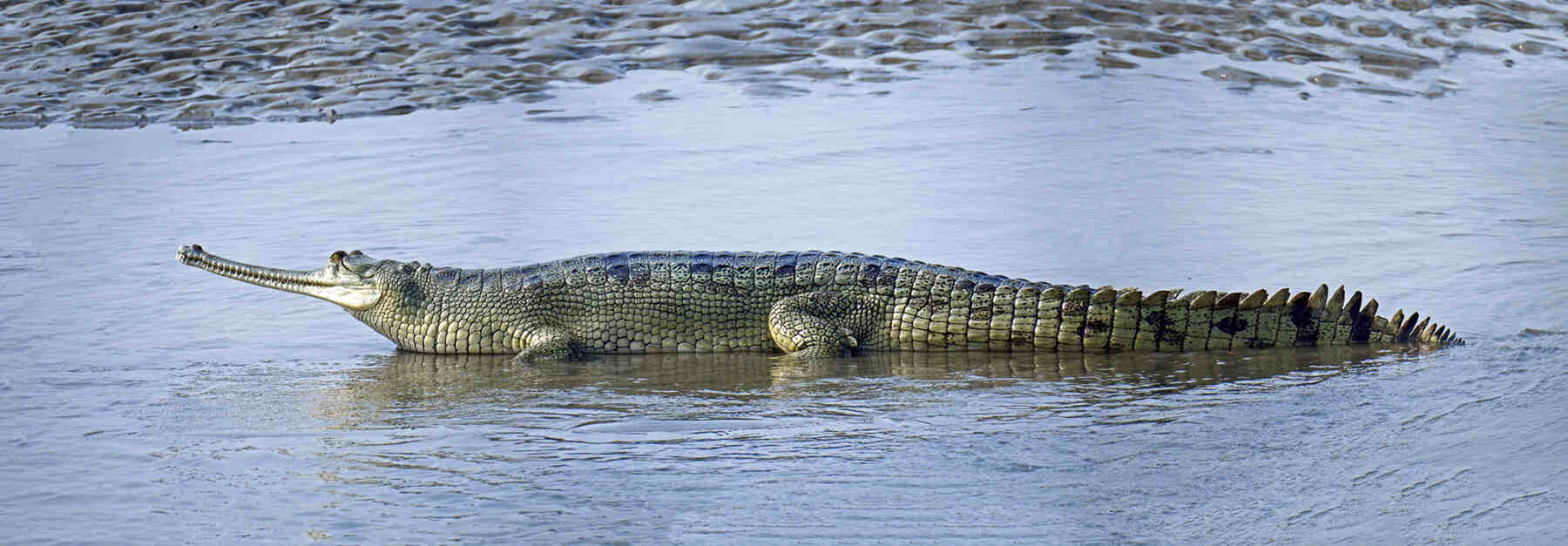
Looking ahead, the Gandak river continues to hold promise as a thriving gharial habitat. Officials are working to further expand protection measures along additional stretches of the river, involving more local communities in conservation activities. The success in the Gandak also encourages similar efforts in other river systems, offering a scalable model for wildlife restoration across India and beyond.
The recovery of gharials in the Gandak demonstrates that even critically endangered species can rebound with careful planning, community participation, and consistent management. This achievement is a reminder of the potential for humans to positively impact nature and protect some of the planet’s most vulnerable wildlife.