



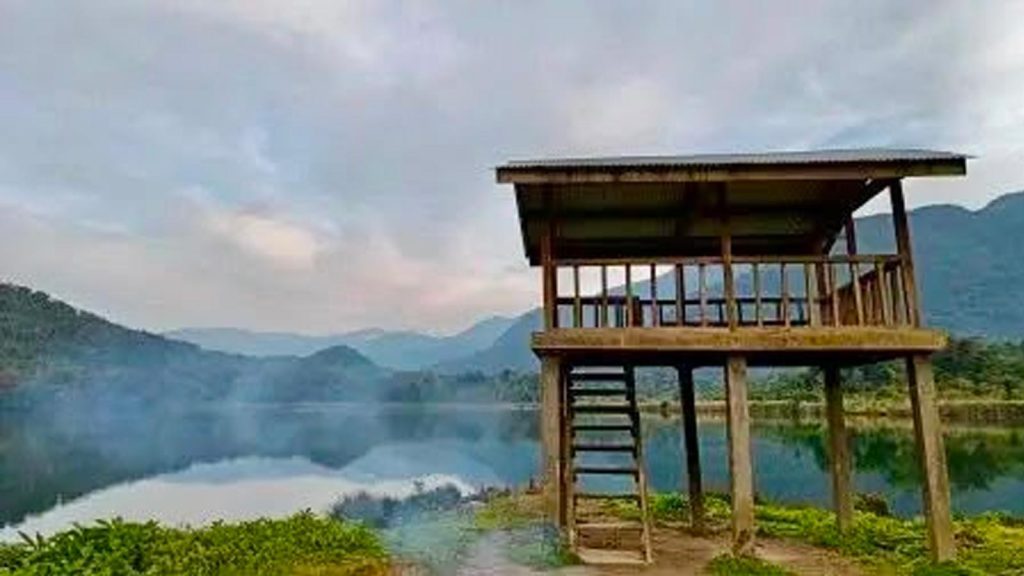
Glaw Lake Ramsar Site in Arunachal Pradesh

Glaw Lake Ramsar Site has become a major highlight in India’s environmental news as it was officially declared a Ramsar site on 3 August 2026. This makes it the first Ramsar wetland in Arunachal Pradesh and the 101st such site in India. The lake is located inside the Kamlang Tiger Reserve and Wildlife Sanctuary in Lohit district, a region known for its rich natural beauty in the Eastern Himalayas.
Thank you for reading this post, don't forget to subscribe!What is a Ramsar Site and Why It Matters
Ramsar sites are wetlands that are recognized as important at the international level. These sites are protected under the Ramsar Convention, an agreement signed in 1971 in Ramsar, Iran. India became part of this global effort in 1982. Over the years, the number of Ramsar sites in India has increased quickly, showing the country’s growing focus on protecting wetlands. From just 26 sites in 2014, the number has now reached 101.
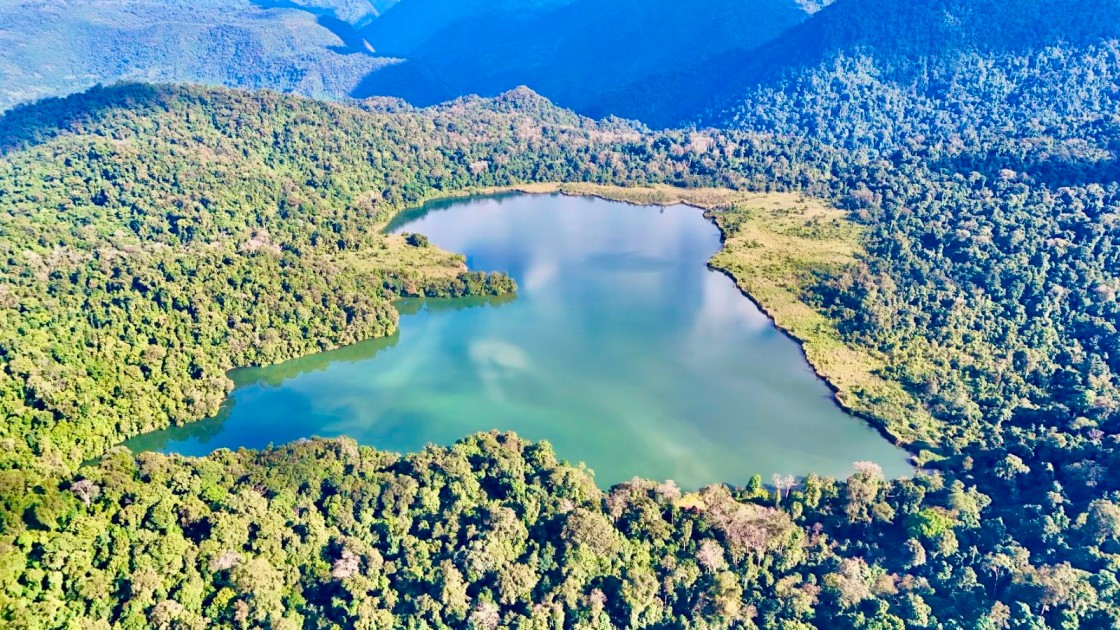
Location and Natural Setting of Glaw Lake
Glaw Lake is a high-altitude freshwater lake surrounded by mountains and dense forests. It is fed by natural mountain streams that flow throughout the year. Being part of the Kamlang Tiger Reserve, the lake is located in one of the most protected and less disturbed forest areas of the Eastern Himalayas. This region is known for its unique wildlife and plant diversity.
Rich Biodiversity Around the Lake
The area around Glaw Lake supports more than 150 types of trees and around 49 species of orchids. Orchids are important because they help scientists understand the health of the environment. The lake and its surroundings are considered a biodiversity hotspot, meaning it has a large number of plant and animal species. The Eastern Himalayas, where the lake is located, is one of the world’s most important regions for biodiversity.
Role of Wetlands in Nature and People’s Lives
Wetlands like Glaw Lake play an important role in maintaining balance in nature. They help recharge groundwater, control floods, and provide a habitat for birds, fish, and many other species. They also support local communities by providing resources and maintaining clean water systems. Protecting such areas helps in fighting climate change and preserving natural ecosystems.
India’s Growing Focus on Wetland Conservation
India has been actively working to protect wetlands across different states. States like Tamil Nadu, Uttar Pradesh, and Punjab already have several Ramsar sites. The addition of Glaw Lake shows that attention is now also being given to the northeastern region. This step is expected to bring more awareness, better protection, and eco-tourism opportunities to Arunachal Pradesh.
Recent Environmental Focus and Future Impact
The recognition of Glaw Lake also comes at a time when climate change and environmental protection are global concerns. Protecting wetlands like this helps reduce the effects of extreme weather and supports long-term ecological balance. The Ramsar tag may also bring more scientific research, better monitoring, and careful tourism development in the area. With growing attention on sustainable development, Glaw Lake is expected to play an important role in showing how natural ecosystems can be protected while also benefiting local communities.
Support for Local Communities and Livelihoods
The declaration of Glaw Lake as a Ramsar site is also important for the people living nearby. Wetlands often support local livelihoods through fishing, small-scale farming, and eco-tourism activities. With proper planning, the area can attract responsible tourism, creating job opportunities while protecting nature. Local communities may also get more support from the government for conservation programs, helping them balance development with environmental care.
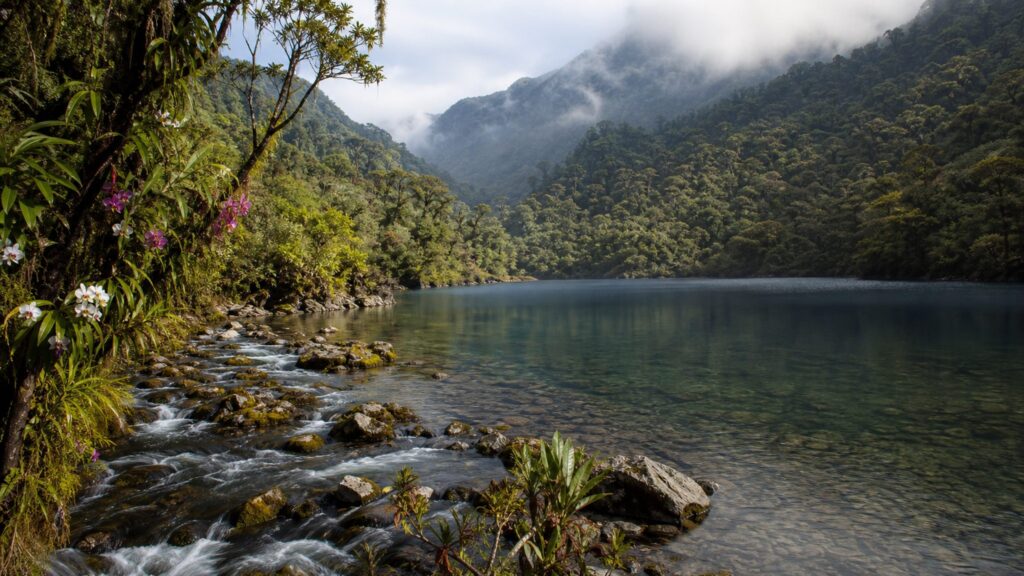
Growing Importance of Northeast India in Conservation
The inclusion of Glaw Lake highlights the increasing focus on Northeast India in national conservation efforts. This region is rich in forests, rivers, and wildlife, but many areas are still less explored. By recognizing such sites, the government is bringing attention to their ecological value. It also encourages further studies, conservation projects, and awareness about protecting fragile ecosystems in the Eastern Himalayas.