


Ladakh Ruddy Shelducks Protection: Community Effort Safeguards Brahminy Ducks

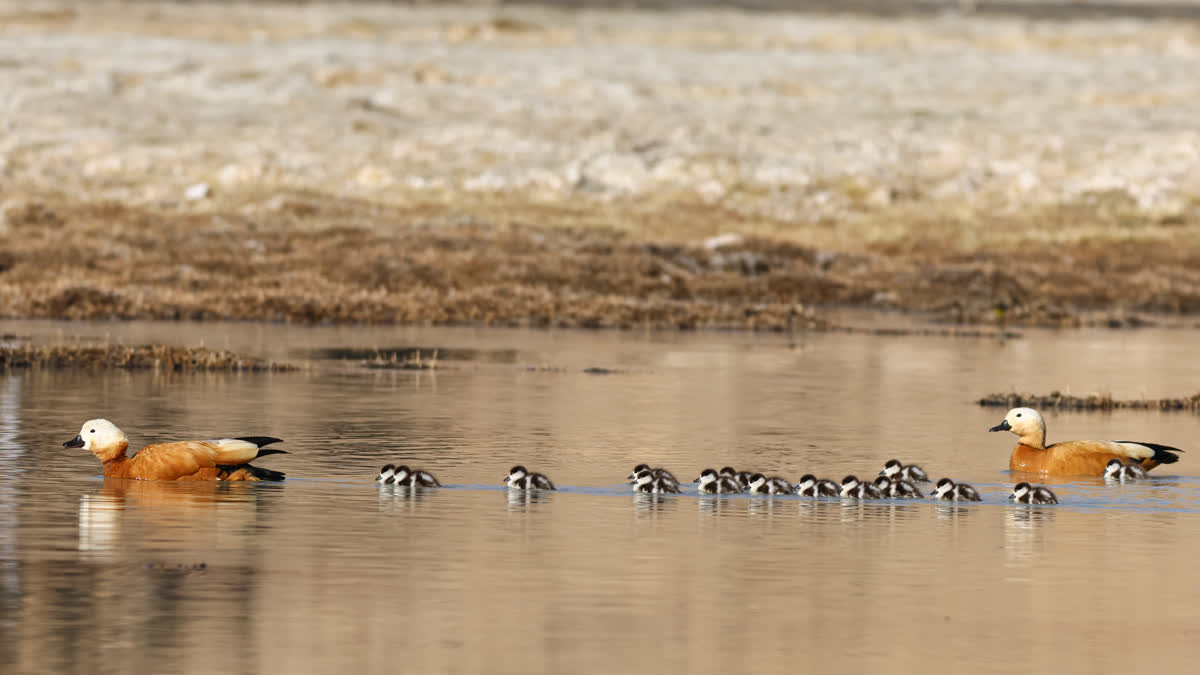
Ladakh Ruddy Shelducks Protection has become a remarkable example of community-led wildlife conservation in India. In the remote Mudh Valley of Ladakh, local villagers have been protecting ruddy shelducks and their young for more than two decades. Every summer, residents witness a fascinating natural event when a pair of ruddy shelducks guides their small chicks from the valley to the Indus River, crossing rugged terrain on a journey that takes three to six hours.
Thank you for reading this post, don't forget to subscribe!Community-Led Protection in Mudh Valley
The conservation initiative in Mudh Valley is led by a local group known as Cha Tsogspa, which means “bird association.” The group consists of 12 residents from Mudh village, located about two kilometres from the valley. During the breeding season from June to August, the members carefully monitor the birds and help ensure that the young chicks safely reach the Indus River.
On special days considered auspicious by the villagers, residents escort the fledglings during their journey down the valley. Once the birds reach the riverbank, the ruddy shelducks cross the Indus River on their own. This collective effort highlights how local communities can play a vital role in protecting wildlife and preserving natural ecosystems.
Unique Breeding Site in India
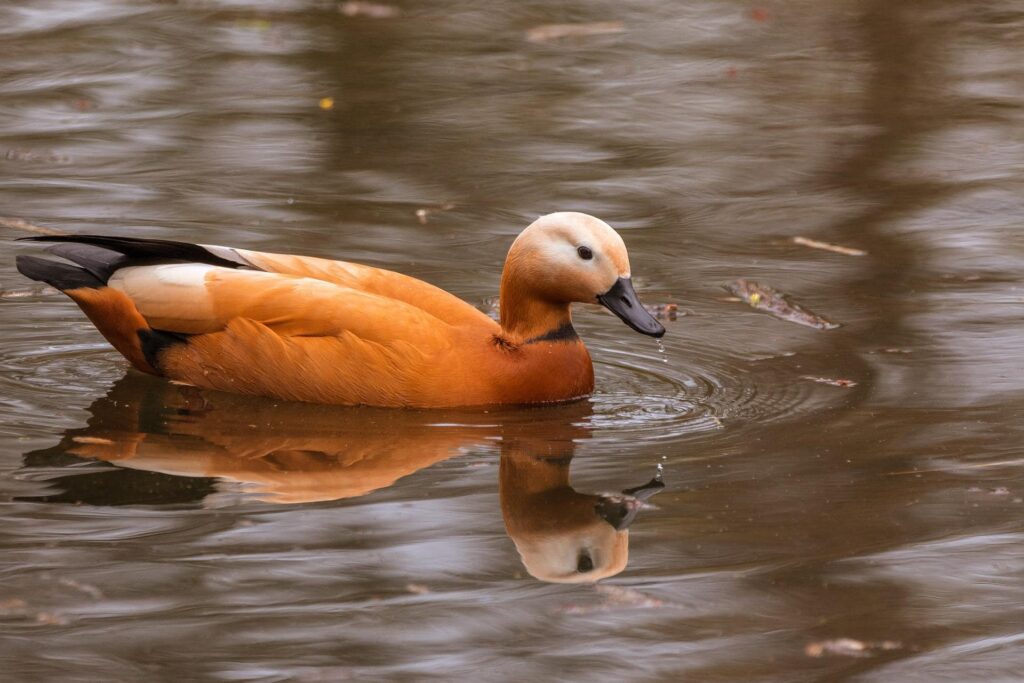
The ruddy shelduck, scientifically called Tadorna ferruginea, is popularly known as the Brahminy duck in India. This migratory bird species is found across parts of Europe and Central Asia and usually travels to South Asia during the winter months.
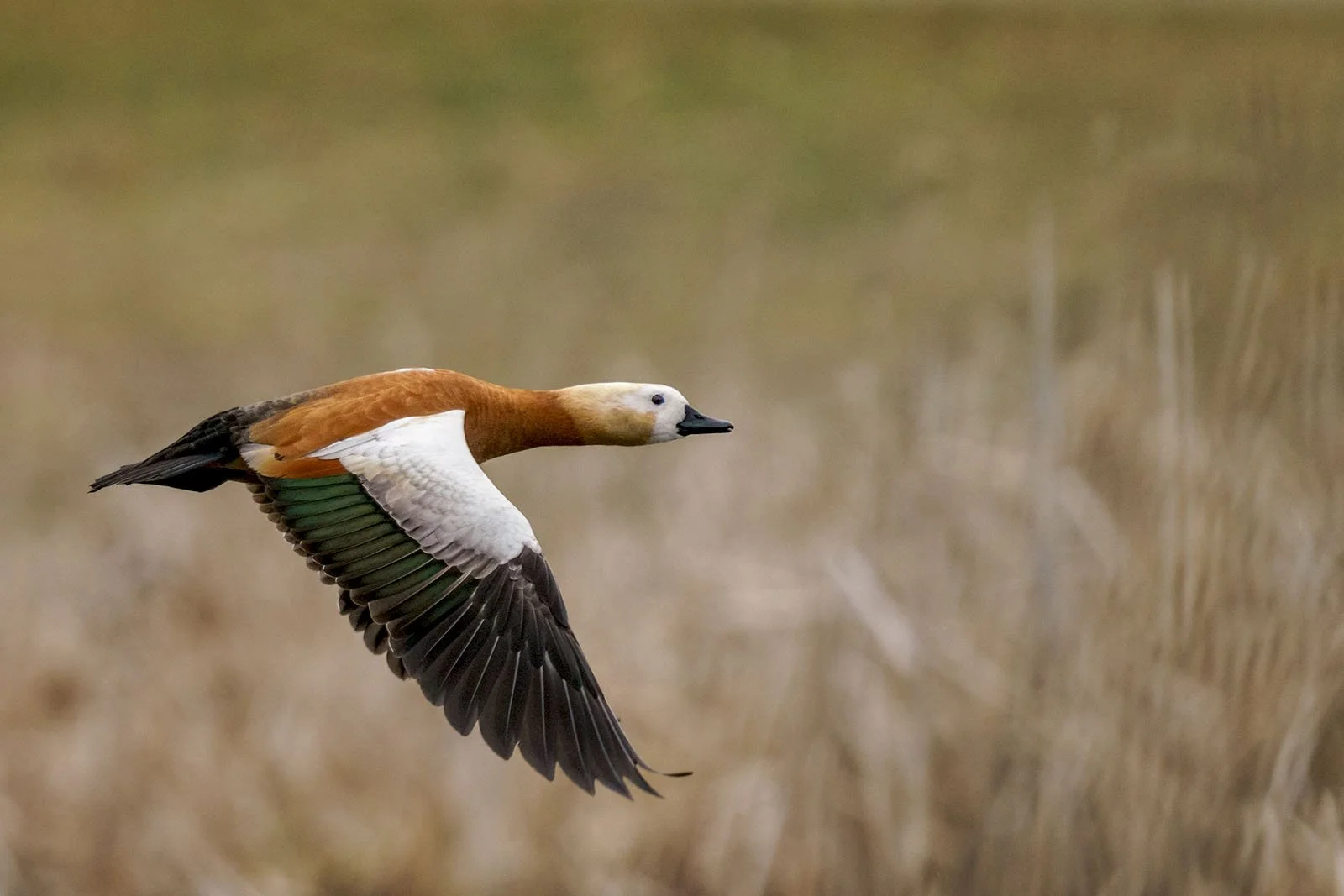
Ladakh is believed to be the only breeding site for ruddy shelducks in India, making the region extremely important for their conservation. The adult birds are easy to identify because of their striking flame-coloured feathers and creamy white heads. Male ruddy shelducks can also be recognised by a dark ring around their necks, which distinguishes them from females.
Inspiration from the Dalai Lama
The Ladakh Ruddy Shelducks Protection initiative began in 2003 after the Dalai Lama visited the region while travelling from Nyoma to Hanle. During his visit, he told the villagers that ruddy shelducks, which were once commonly seen near the Potala Palace in Lhasa, were now present in the Mudh Valley.
He encouraged local residents to take responsibility for protecting the species. Inspired by his words, villagers formed the Cha Tsogspa group and began monitoring the birds closely to ensure their safety during the breeding season.
Important Facts for Exams
The ruddy shelduck (Tadorna ferruginea) is commonly known as the Brahminy duck in India.
The species is classified as Least Concern on the IUCN Red List of Threatened Species.
Ladakh is considered the only breeding site for ruddy shelducks in India.
The Potala Palace in Lhasa, Tibet, was historically the winter residence of the Dalai Lama.
Challenges and Continuing Conservation Efforts
Members of Cha Tsogspa explain that the fledglings need protection for nearly two months before they become strong enough to travel independently with their parents. During this time, villagers carefully observe the birds and guide them when necessary.
In the early stages of the initiative, the group faced resistance from the wildlife department when they tried to monitor the birds. However, once the villagers explained that their efforts were inspired by the Dalai Lama’s appeal to protect the species, the concerns were resolved.
Today, Ladakh Ruddy Shelducks Protection stands as a powerful example of grassroots conservation. The initiative shows how community involvement can help protect wildlife and maintain ecological balance in fragile environments like the Himalayas.