





GrivaVision AI is an Indian-developed healthcare technology that has received support for commercialisation from the Technology Development Board (TDB) under the Department of Science and Technology. On 10 August 2026, TDB signed an agreement with Visakhapatnam-based Griva Healthcare Pvt. Ltd. to support the commercialisation of GrivaVision, an AI-powered device designed to help doctors screen for cervical cancer and identify possible pre-cancerous changes in the cervix.
Thank you for reading this post, don't forget to subscribe!The development is part of India’s wider effort to use artificial intelligence, digital health and locally developed medical devices to improve healthcare access. GrivaVision combines a portable digital colposcope with advanced optics, a high-definition camera and AI-assisted software. The system is designed to support gynaecologists during routine examinations and help them identify abnormal cervical lesions.
What Is GrivaVision?
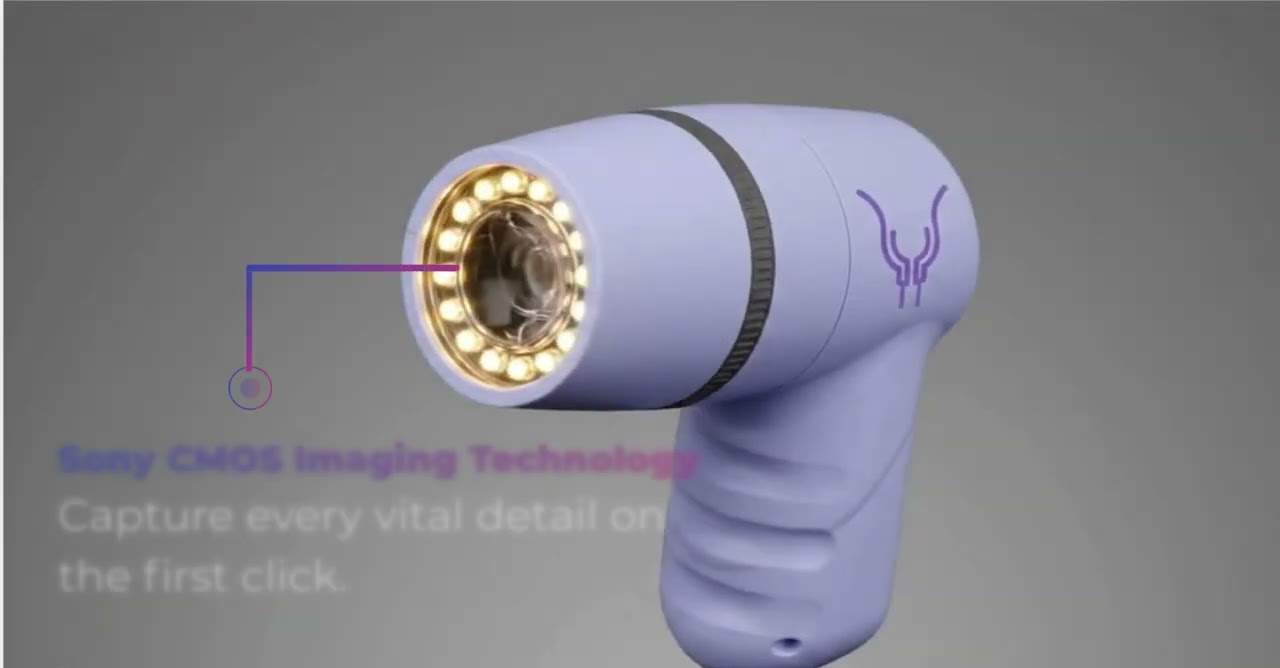
GrivaVision is a portable digital colposcopy device developed in India. It is designed to provide doctors with a clearer digital view of the cervix during screening.
The device uses specialised optical technology and a high-definition camera to capture images. A built-in display allows the medical professional to view the examination directly.
The system also includes artificial intelligence-based software. The AI component is intended to assist gynaecologists in identifying areas that may contain pre-cancerous abnormalities.
It is important to understand that an AI screening device is designed to support medical professionals, rather than replace doctors. Clinical decisions still require appropriate medical assessment and, where necessary, further diagnostic tests.
TDB Supports Commercialisation
The Technology Development Board has entered into an agreement with Griva Healthcare to help move GrivaVision from development toward commercial-scale production.
TDB functions under the Department of Science and Technology and supports the development and commercialisation of technologies that have potential for wider public use.
The agreement is significant because developing a medical device in a laboratory is only one part of the process. Manufacturing the technology at a larger scale, maintaining quality standards and making the product available to healthcare providers are equally important.
Through the agreement, Griva Healthcare plans to expand its manufacturing capacity and move toward commercial production.
From Visakhapatnam to Kollam
Griva Healthcare developed GrivaVision at AIC-AMTZ Medivalley in Visakhapatnam, Andhra Pradesh.
Under the new agreement, the company plans to move from its research and development operations to a commercial-scale manufacturing facility in Kollam, Kerala.
The expansion is expected to support larger production of the device and create a stronger manufacturing base for the technology.
The move also reflects the wider growth of India’s medical-device sector, where domestic companies are developing equipment for diagnosis, screening and treatment.
Artificial Intelligence in Cancer Screening
Artificial intelligence is becoming increasingly important in healthcare. AI systems can process medical images and identify patterns that may be difficult to detect quickly during routine examinations.
In cervical cancer screening, image-based technologies can help healthcare professionals identify suspicious areas that may need closer examination.
GrivaVision uses AI-assisted software as an additional support tool during visual assessment. The technology is intended to make screening more structured and help doctors identify potentially abnormal cervical lesions.
However, AI-based screening should be viewed as part of the clinical process rather than as a standalone diagnosis. Doctors must consider the patient’s medical history, examination findings and other tests before deciding on further treatment.
Cervical Cancer and Early Detection
Cervical cancer develops in the cells of the cervix and is often associated with persistent infection by certain types of human papillomavirus (HPV).
One of the major advantages of cervical cancer screening is that it can identify abnormal changes before they develop into invasive cancer.
Detecting pre-cancerous changes early can allow doctors to monitor or treat the abnormal area before it becomes more serious.
This makes accessible screening services an important part of women’s healthcare.
How a Digital Colposcope Helps
Colposcopy is a clinical procedure used to examine the cervix and nearby areas with magnification. It allows healthcare professionals to look more closely at abnormal areas identified during screening.
A digital colposcope adds electronic imaging capabilities to this process. Instead of relying only on direct visual examination, the device can capture and display high-resolution images.
GrivaVision combines this digital imaging approach with AI-assisted analysis.
The portable design could also be useful in healthcare settings where access to large or complex diagnostic equipment is limited.
Indigenous Technology Development
More than 50% of GrivaVision’s components are sourced indigenously within India.
This is an important feature of the technology because domestic production can reduce dependence on imported components and support India’s medical-device manufacturing ecosystem.
Local manufacturing can also make it easier for companies to modify products according to healthcare needs within India.
The development of indigenous medical devices is part of India’s broader focus on building domestic capabilities in healthcare technology, electronics, artificial intelligence and advanced manufacturing.
Indian-Patented Hardware
GrivaVision includes proprietary hardware covered by Indian patents. The device combines this hardware with advanced optical components and a high-definition camera.
The integration of hardware and software allows the system to capture images and provide AI-assisted analysis through the same platform.
Such integration is becoming increasingly common in modern healthcare devices, where imaging, computing and clinical decision-support systems work together.
Medical Device Classification
GrivaVision has been classified as a Class B non-invasive medical device.
Medical devices are classified according to their level of risk and intended use. The classification helps determine the regulatory requirements that manufacturers must follow.
As a Class B device, GrivaVision falls within a category generally associated with low-to-moderate risk medical devices under applicable Indian regulatory frameworks.
The classification does not mean that medical professionals can use the device without proper training or clinical procedures. Healthcare technologies must be used according to approved instructions and regulatory requirements.
ISO 13485 Quality Standards
GrivaVision has been developed under ISO 13485 quality standards.
ISO 13485 is an international standard focused on quality management systems for medical-device manufacturers. It provides a framework for designing, producing and maintaining medical devices under controlled quality processes.
Following such standards is important because medical devices directly affect patient care.
Quality management can cover areas such as manufacturing processes, documentation, risk management, testing and product consistency.
CDSCO Manufacturing Licence
GrivaVision also holds a manufacturing licence from the Central Drugs Standard Control Organisation (CDSCO).
CDSCO is India’s national regulatory authority for pharmaceuticals and medical devices.
Regulatory approval and licensing are important steps before medical devices can be manufactured and supplied for their approved uses.
The combination of regulatory compliance, quality standards and domestic manufacturing capability supports the transition of GrivaVision from an innovative prototype toward wider commercial use.
Digital Health Integration
Another important feature of GrivaVision is its compatibility with India’s growing digital health ecosystem.
The software is compliant with the Ayushman Bharat Digital Mission (ABDM).
ABDM aims to create a connected digital health infrastructure in India. It focuses on making health information systems more interoperable and supporting digital healthcare services.
Compatibility with digital health infrastructure can make it easier for medical technologies to work within modern healthcare information systems.
Alignment With WHO-Approved AVE Standards
The GrivaVision screening system is also aligned with Automated Visual Evaluation (AVE) standards approved by the World Health Organization.
Automated visual evaluation uses computer-based methods to assess cervical images and identify areas that may require further attention.
The use of such approaches can be particularly relevant in settings where trained specialists are not always available.
Technology that supports visual assessment could help expand screening capacity when it is integrated appropriately into healthcare systems.
Potential Benefits for Healthcare Centres
A portable screening device can be useful in different types of healthcare settings.
Large hospitals may have access to specialist departments and advanced diagnostic equipment, but smaller hospitals and healthcare centres may face limitations in equipment and specialist availability.A portable digital device could potentially make screening easier to conduct in more locations.It could also support screening programmes that operate across several healthcare facilities.
However, successful implementation will depend on trained healthcare workers, proper referral systems, reliable connectivity where required and access to follow-up diagnosis and treatment.
Importance of Early Screening
Early screening is one of the key tools used in preventing serious disease.When abnormal cervical changes are identified at an early stage, healthcare professionals can assess the condition and decide whether monitoring, additional testing or treatment is required.Technologies such as GrivaVision could help improve the initial visual assessment process.The broader value of the device will depend on how effectively it is integrated into complete screening programmes that include diagnosis, treatment and follow-up care.
AI as a Support Tool for Doctors
The growing use of AI in healthcare raises important questions about how technology and medical professionals should work together.AI can process large amounts of visual information and identify patterns quickly, but medical decisions involve many factors beyond an image.For this reason, GrivaVision is designed as an AI-assisted screening system. The technology can provide additional information to the gynaecologist, who remains responsible for clinical assessment.
This approach allows AI to support doctors while keeping medical judgement at the centre of patient care.
India’s Growing Medical Technology Sector
The GrivaVision agreement comes as India continues to expand its domestic medical technology sector.Indian companies are developing devices for imaging, diagnostics, monitoring and treatment. Government support can help these technologies move from research laboratories into commercial production.The involvement of TDB is particularly relevant because early-stage medical technologies can face significant costs when moving from prototype development to large-scale manufacturing.Financial and institutional support can help companies build production facilities, improve technology and reach healthcare providers.
Moving From Innovation to Wider Use
The commercialisation stage is an important milestone for GrivaVision.Research and development can establish that a technology works, but commercial production requires a different set of capabilities. Manufacturers must ensure consistent quality, regulatory compliance, supply chains, technical support and service networks.The planned manufacturing expansion in Kollam could help Griva Healthcare address these requirements.The company will also need to ensure that healthcare professionals are properly trained to use the device and interpret its results within approved clinical procedures.

Technology and Women’s Healthcare
The development of GrivaVision highlights how technology can be used to address important women’s health needs.
Cervical cancer screening requires access to appropriate equipment and trained healthcare professionals. Portable digital technologies may help extend screening services to more healthcare settings.
When combined with awareness programmes and access to follow-up treatment, improved screening technology can become part of a broader strategy for reducing the impact of cervical cancer.
A Step Toward Accessible Screening
The agreement between TDB and Griva Healthcare represents a step in taking an Indian-developed AI healthcare technology toward wider commercial use.
With its portable design, digital imaging system, AI-assisted software and domestic manufacturing base, GrivaVision brings together several areas of modern healthcare technology.
Its progress will now depend on successful commercial production, regulatory compliance, healthcare adoption and appropriate clinical use.
The initiative also reflects India’s broader push to develop home-grown medical technologies that combine artificial intelligence, digital health and advanced hardware for practical healthcare needs.