IAF Kalari Leap Exercise Lakshadweep Strengthens India’s Maritime Readiness

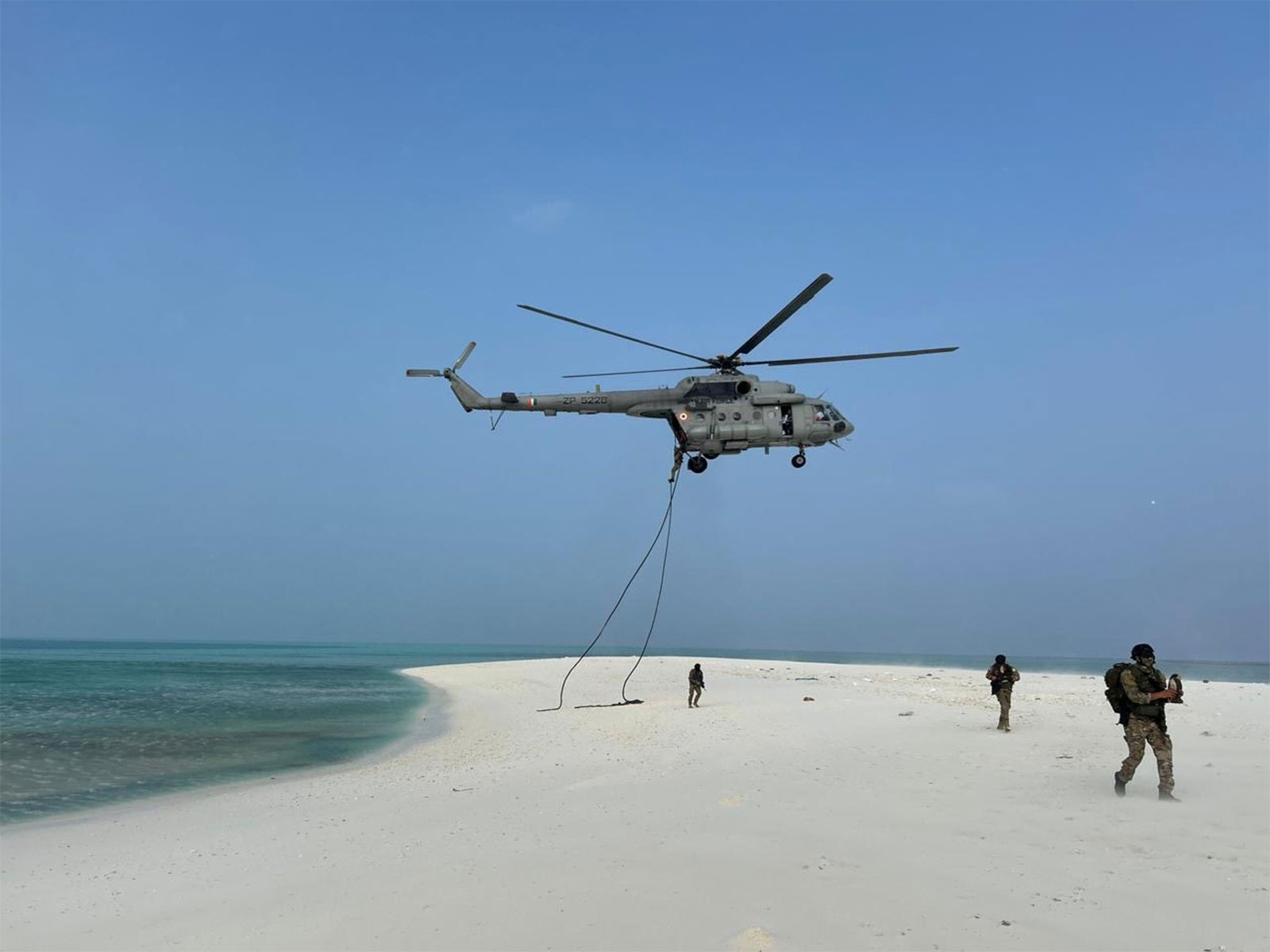
The IAF Kalari Leap Exercise Lakshadweep marked an important step in strengthening India’s defence preparedness in island and maritime regions. The Southern Air Command of the Indian Air Force successfully carried out this high-tempo joint maritime exercise across the Lakshadweep and Minicoy archipelago. Designed to test speed, coordination, and accuracy, the exercise focused on operating in complex sea-based environments where quick decisions and seamless teamwork are critical.
Thank you for reading this post, don't forget to subscribe!Kalari Leap highlighted India’s growing focus on integrated island defence, maritime domain awareness, and the ability to respond rapidly to security challenges in strategically sensitive waters of the Arabian Sea.
Focus on Joint Maritime Planning
A key objective of the IAF Kalari Leap Exercise Lakshadweep was to validate joint planning between different arms of India’s defence forces. The drill brought together air, maritime, and special operations elements to work as a single, coordinated unit. This kind of planning ensures that during real-world situations, forces can act without delay or confusion.
By practicing joint mission planning, the exercise tested communication channels, command structures, and coordination mechanisms. These elements are vital for success in maritime operations, especially in island territories where response time is often limited and logistical challenges are high.
Integrated Operations Over Island Territories
The exercise involved close coordination between the Indian Air Force, the Armed Forces Special Operations Division, and the Indian Coast Guard. This integration allowed different forces to operate together smoothly, sharing information and resources in real time.
Anti-ship strike simulations formed an important part of the drill. These operations tested the ability to detect, track, and engage hostile vessels in open waters. Alongside this, maritime search and rescue missions were carried out to assess readiness for humanitarian and emergency response scenarios. Such missions are especially important in island regions where civilian safety depends on fast and effective action.
Deployment of Multi-Domain Assets
The IAF Kalari Leap Exercise Lakshadweep saw the use of a wide range of assets from both air and sea. Indian Air Force aircraft operated alongside Indian Coast Guard ships, Gemini boats, and Dornier 228 aircraft. This mix of platforms created realistic operational conditions and allowed forces to train across multiple domains.
Surveillance aircraft played a major role in monitoring large sea areas and identifying potential threats. At the same time, surface vessels and boats supported operations closer to the islands, ensuring complete coverage from air to sea. This multi-domain approach improves overall awareness and strengthens the ability to protect vital sea lanes and island infrastructure.
Strategic Importance of Lakshadweep and Minicoy
The Lakshadweep and Minicoy islands hold great strategic value due to their location in the Arabian Sea. These islands lie close to important international shipping routes, making them crucial for trade, energy security, and national defence.
Exercises like Kalari Leap demonstrate India’s intent to maintain a strong and visible presence in these waters. By training in such environments, the forces gain valuable experience in handling real-life challenges such as limited infrastructure, changing weather conditions, and long-distance coordination.
Role of Southern Air Command
The exercise was led by the Southern Air Command, which is responsible for air operations in southern India and surrounding maritime regions. Conducting Kalari Leap showcased the command’s ability to plan and execute complex missions involving multiple services.
Southern Air Command’s role is especially important for island defence and maritime surveillance. Through exercises like this, it ensures that air assets are always ready to support naval and coast guard operations, whether during security missions or humanitarian assistance efforts.
Enhancing Rapid Force Projection
One of the standout aspects of the IAF Kalari Leap Exercise Lakshadweep was its focus on rapid force projection. The ability to deploy forces quickly over long distances is essential for island security. The exercise tested how fast assets could be mobilized, positioned, and employed in response to emerging situations.
Rapid force projection also sends a strong message about India’s readiness to protect its territorial integrity. It shows that the armed forces can respond effectively to both conventional and non-conventional threats in maritime regions.
Strengthening Maritime Domain Awareness
Maritime domain awareness is about knowing what is happening at sea at all times. Kalari Leap placed strong emphasis on surveillance, reconnaissance, and information sharing. Aircraft and ships worked together to track movements, identify suspicious activity, and maintain a clear operational picture.
Improved maritime awareness helps prevent security incidents and supports safer navigation for commercial shipping. It also plays a key role in disaster response, allowing authorities to act quickly during emergencies such as accidents or natural calamities.
Building Confidence Through Realistic Training
The realistic nature of the exercise helped build confidence among participating units. Training in actual island and sea environments prepares personnel for the pressures of real operations. It also helps identify gaps in equipment, procedures, or coordination that can be improved over time.
Kalari Leap reaffirmed India’s commitment to joint operations and integrated defence planning. By bringing together air, sea, and special forces, the exercise strengthened the overall defence posture in the Arabian Sea region and reinforced the importance of cooperation in modern military operations.