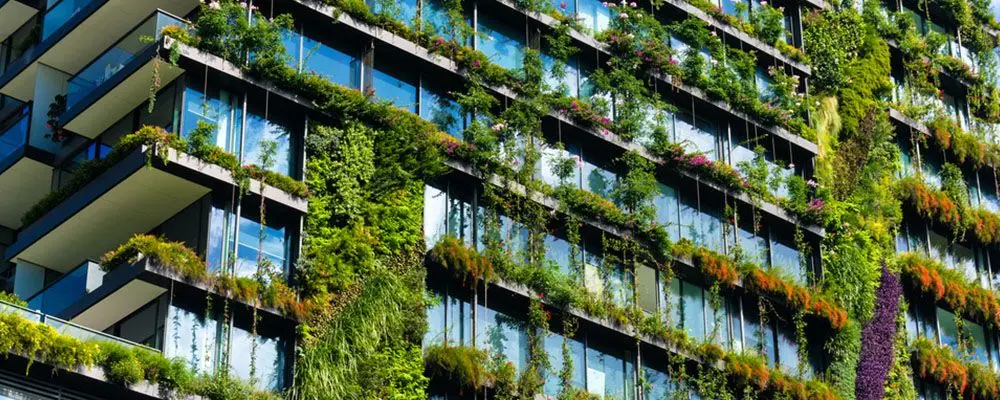
India 2nd in Green Realty: A Leap Towards Sustainable Buildings

India 2nd in Green Realty globally, outside the United States, in 2025, marking a significant milestone in the country’s journey toward sustainable construction. This achievement highlights India’s growing commitment to environmentally responsible building practices amid rapid urban and industrial growth. According to the US Green Building Council (USGBC), India’s ranking reflects its strong adoption of LEED-certified spaces and positions the country as a global leader in eco-friendly real estate.
Thank you for reading this post, don't forget to subscribe!India’s Growing Presence in Global LEED Rankings
The US continued to lead global adoption of green building standards with over 50 million gross square metres (GSM) of LEED-certified space. Among countries outside the US, China led with 26 million GSM, while India followed closely with 16 million GSM of certified building space in 2025. Notably, Vietnam joined the global top ten for the first time, demonstrating that green building adoption is expanding in emerging economies.
This ranking shows that India is not just constructing more buildings but is also focusing on making them sustainable. By achieving the second position globally, India has positioned itself as a key player in Green Realty, attracting attention from international investors and environmentally conscious developers.
Focus on Operations and Maintenance Certifications
One notable trend highlighted by the USGBC is India’s rapid growth in LEED Operations and Maintenance (O+M) certifications. Unlike new construction and interior projects, O+M certification targets existing buildings, emphasizing efficiency, energy savings, and performance improvements.
This approach reflects a strategic shift in India’s green building sector. Developers and building owners are now concentrating on improving the performance of already-built structures. By focusing on operational efficiency, India aims to lower energy consumption, reduce operating costs, and minimize environmental impact over the long term. This trend ensures that sustainability is not just about building new structures but also about upgrading and maintaining older buildings responsibly.
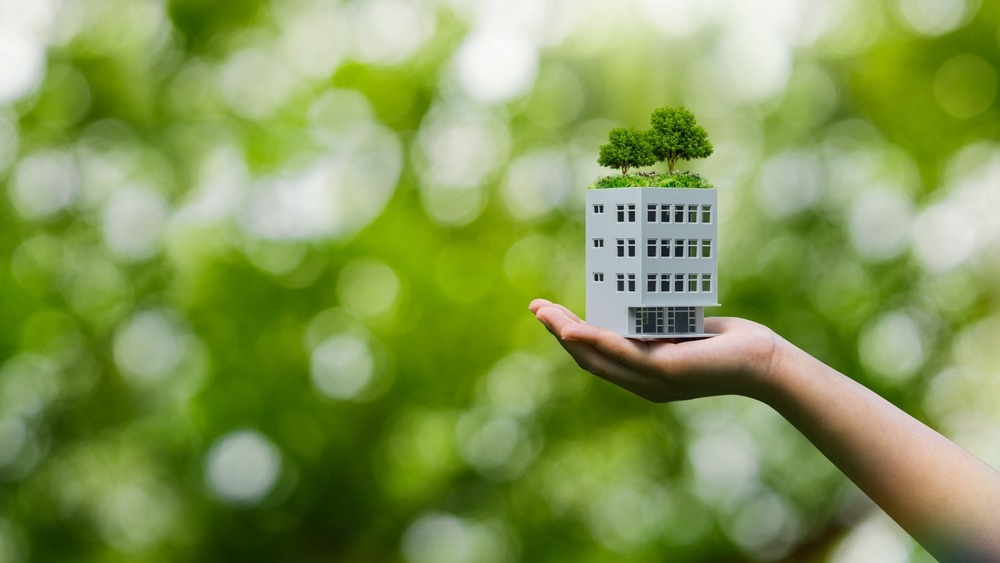
Expansion of Green Buildings Across Sectors
India’s adoption of LEED standards is no longer limited to commercial offices. Various sectors are increasingly embracing green building practices, including:
- Industrial Units and Manufacturing Facilities: Factories and production units are seeking certifications to optimize energy use and reduce environmental footprint.
- Warehouses and Logistics Centers: Sustainable designs help lower operational costs while promoting eco-friendly storage solutions.
- Hotels and Retail Complexes: Tourism and retail industries are moving toward greener operations to meet global environmental expectations.
- Educational Institutions: Schools and universities are adopting LEED standards to provide healthier and energy-efficient environments for students.
This sector-wide adoption shows that green realty is becoming mainstream in India, not confined to elite or commercial projects. By extending sustainable practices to diverse industries, India reinforces its global leadership position in environmentally responsible construction.
Global Growth and Trends in Green Realty
The year 2025 saw over 7,500 commercial projects certified under LEED globally, covering more than 147 million GSM. There is a growing interest in certifying existing buildings, as owners aim to save energy, enhance resilience, and manage rising operating costs.
The USGBC and Green Business Certification Inc. (GBCI) jointly released these rankings as part of their annual assessment outside the United States. This global perspective highlights the growing importance of green buildings in promoting climate-friendly practices and sustainable urban development.
LEED, or Leadership in Energy and Environmental Design, is an internationally recognized green building certification program developed by the US Green Building Council. It provides guidelines for sustainable construction, efficient resource use, and improved building performance. LEED O+M, in particular, focuses on the efficiency and operations of existing buildings, ensuring long-term sustainability.
India’s Strategic Role in Sustainable Real Estate
India’s second-place ranking in green realty indicates a strong national commitment to sustainable construction. Rapid urbanization and industrialization have made eco-friendly buildings essential to reducing the environmental impact of cities and industries.
The country’s developers, policymakers, and real estate companies are collaborating to implement green standards across construction and operations. Government incentives, corporate sustainability goals, and growing environmental awareness among consumers are driving this green transition.
India’s real estate sector is also witnessing technological innovations to improve energy efficiency, water management, and waste reduction. Smart building designs, solar integration, and efficient HVAC systems are now common in new and existing projects seeking LEED certification.
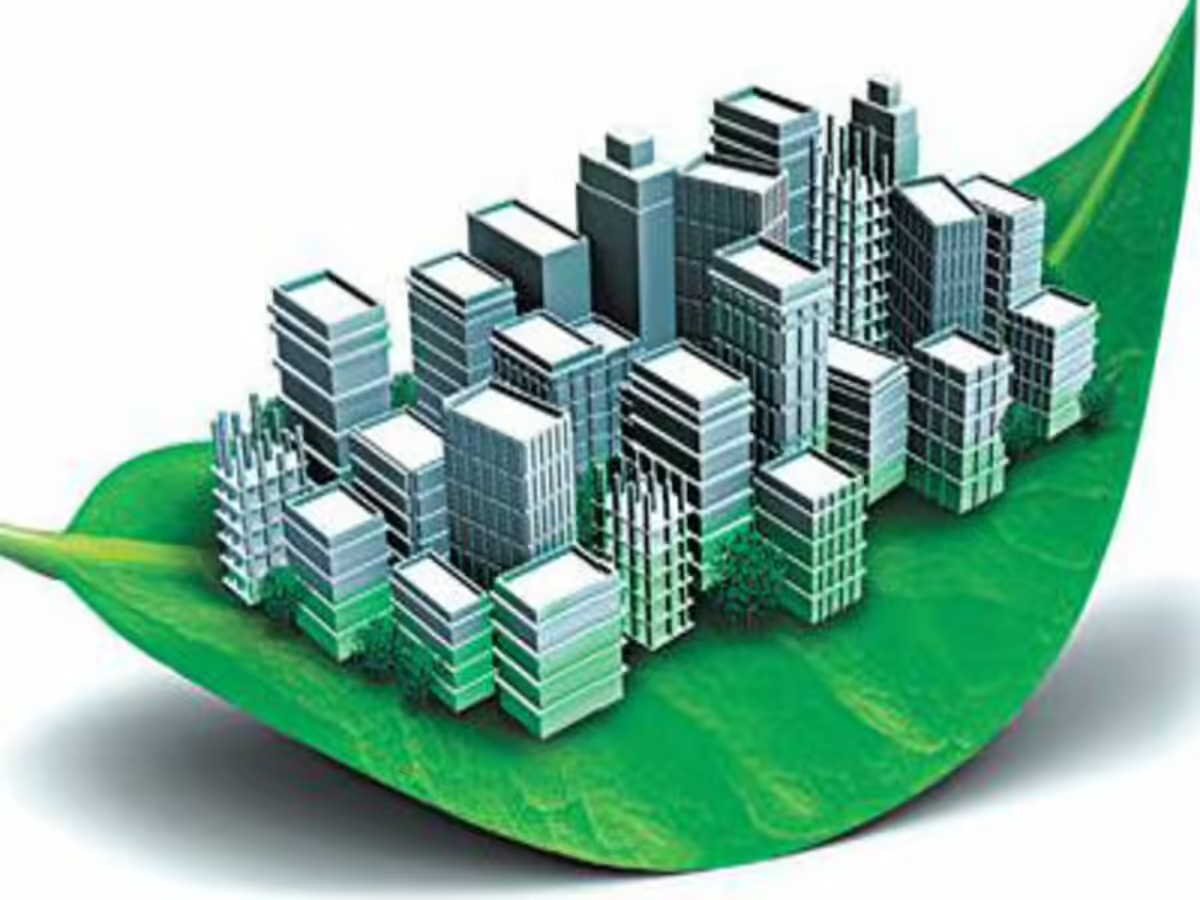
Paving the Way for a Sustainable Future: India 2nd in Green Realty
With 16 million GSM of LEED-certified space, India has firmly secured its place among the world’s leaders in sustainable real estate. By focusing on operations and maintenance, expanding certification across sectors, and adopting global standards, India is demonstrating that economic growth and environmental responsibility can go hand in hand.
As more buildings become energy-efficient and sustainable, India not only reduces its carbon footprint but also sets a benchmark for other emerging economies. The country’s leadership in green realty encourages innovation, attracts investments, and supports a future where urban growth is balanced with environmental care.
India’s journey in sustainable construction shows that achieving global recognition in green building is possible through strategic planning, innovation, and long-term commitment. By continually improving performance and broadening the reach of LEED standards, India is making a meaningful impact on global environmental sustainability and setting a strong example for the world.