


India-Afghanistan Trade Talks

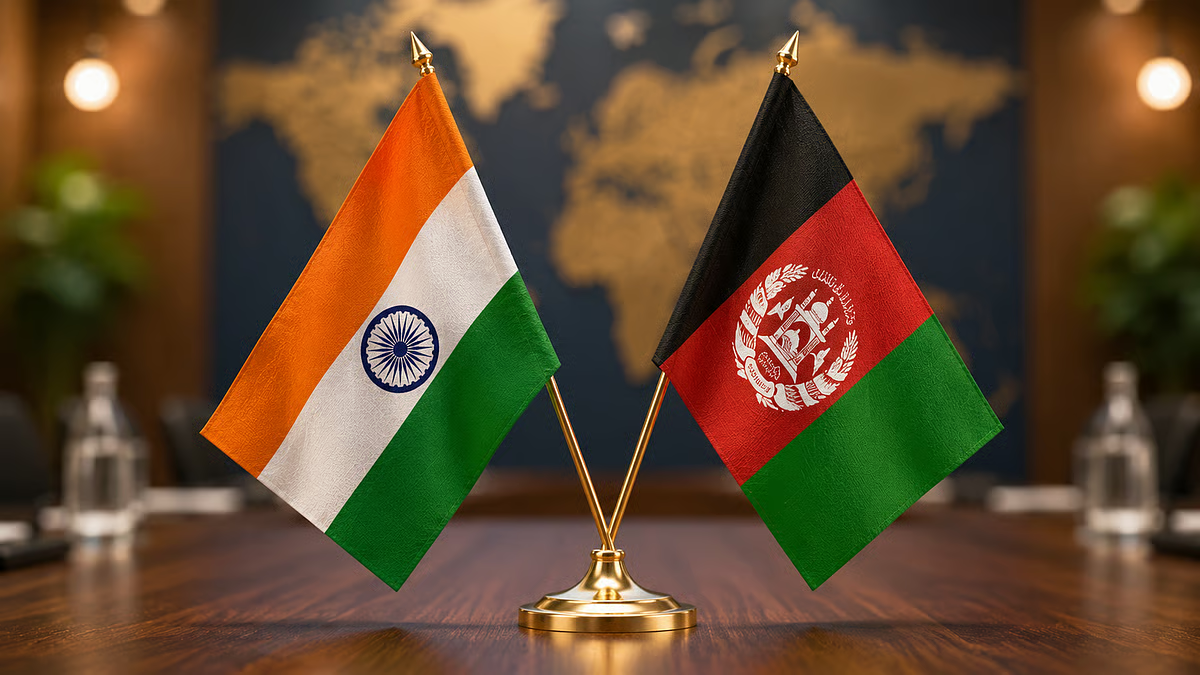
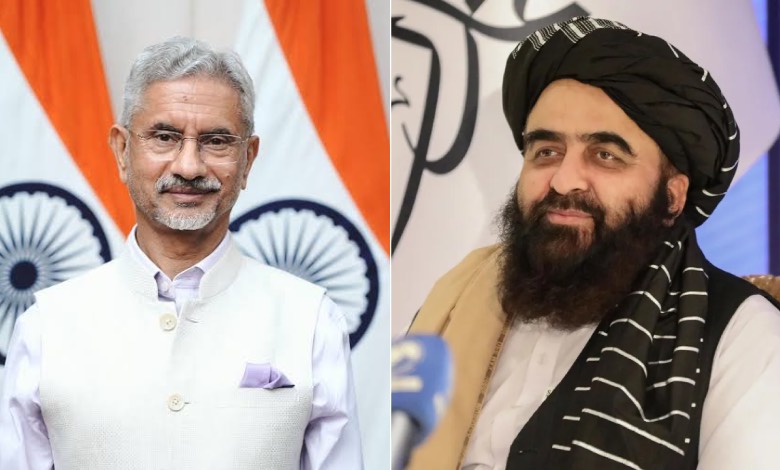
India-Afghanistan Trade cooperation was reviewed during a virtual meeting of the India-Afghanistan Joint Working Group on Trade, Commerce and Investment held on September 1, 2026. Officials from both countries discussed ways to improve trade, strengthen commercial links and make it easier for businesses to move goods between the two countries.
The meeting covered several areas, including customs cooperation, trade facilitation, visas for Afghan traders, banking and financial arrangements, energy cooperation, tariff concessions and cargo connectivity. The discussions come as India and Afghanistan continue efforts to maintain economic engagement despite the changing political and security environment in Afghanistan.

India-Afghanistan Trade Relations
India-Afghanistan Trade has remained an important part of the economic relationship between the two countries. According to the trade figures for 2025–26, bilateral trade reached around USD 907.85 million.
During this period, India’s exports to Afghanistan were valued at about USD 253.63 million, while imports from Afghanistan stood at approximately USD 654.22 million. The figures show that goods from Afghanistan, including products linked to agriculture and other sectors, continue to have a significant place in bilateral trade.
Improving transport links, customs procedures and payment systems could help businesses increase trade between the two markets.
Joint Working Group Reviews Key Issues
The Joint Working Group provides a platform for officials from India and Afghanistan to discuss specific economic and commercial matters. Representatives from commerce and industry departments, customs authorities, regulatory bodies and diplomatic missions took part in the latest meeting.
A major focus was reducing practical difficulties faced by traders. Faster customs procedures, better information sharing and improved coordination between authorities can make cross-border trade more efficient.
The two sides also discussed visa facilitation for Afghan traders. Easier access for businesspeople can support direct contact between companies and encourage more business-to-business activity.
Customs and Cargo Connectivity
Customs cooperation was one of the important subjects discussed during the India-Afghanistan Trade meeting. Both sides agreed to work toward better customs data-sharing and coordination.
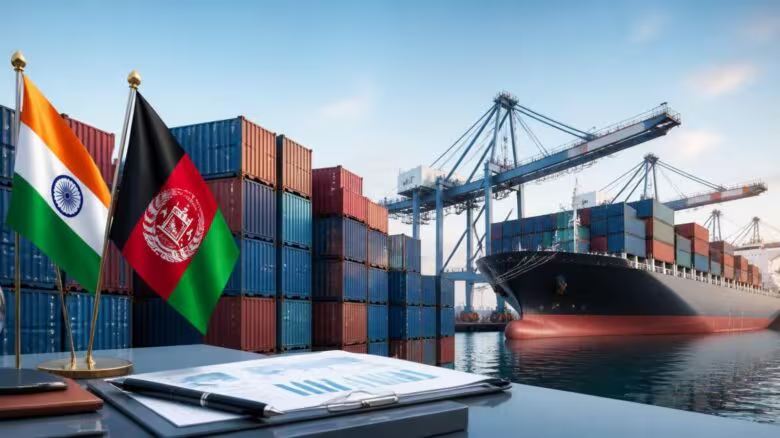
Efficient customs systems are important because delays in documentation, inspections and clearance can increase the cost of international trade. Greater information sharing between customs authorities can help reduce such delays and make cargo movement more predictable.
Cargo connectivity was also discussed because Afghanistan is a landlocked country and depends on regional transport networks to access international markets. India has been exploring different routes and arrangements to maintain trade links with Afghanistan and support the movement of essential goods.
Banking and Financial Cooperation
Banking and financial cooperation was another area raised during the meeting. Reliable payment channels are essential for companies involved in international trade.
Businesses need secure and practical systems to make and receive payments when dealing with overseas partners. Improving financial cooperation could make it easier for Indian and Afghan companies to conduct transactions and expand their commercial relationships.
The issue is particularly relevant for Afghanistan because restrictions and challenges within its financial system have affected international economic activity in recent years.
Agriculture and Pharmaceuticals
The discussions also included greater regulatory coordination in agriculture and pharmaceuticals. These are two areas where cooperation can directly support trade and access to important products.
Afghanistan has strong agricultural production in several areas, while India has a large pharmaceutical industry and a broad agricultural market. Better coordination of standards and regulations can make it easier for businesses in these sectors to trade with each other.
Business-to-business engagement was also encouraged as part of the effort to increase commercial cooperation.
Follow-Up After July Meeting
The latest India-Afghanistan Trade discussions follow the fourth meeting of the India-Afghanistan Joint Committee, held in New Delhi on July 9, 2026.
That meeting brought together senior officials to discuss wider bilateral relations and economic cooperation. The continuing meetings show that trade remains an important channel of engagement between the two countries.
During the July discussions, Afghanistan’s Minister of Agriculture, Irrigation and Livestock, Mawlawi Ataullah Omari, proposed creating a separate Joint Working Group focused on agriculture and livestock.
A dedicated group could allow both sides to examine agricultural trade, livestock-related cooperation, investment opportunities and technical issues in greater detail.
Energy and Tariff Discussions
Energy cooperation and tariff concessions were also included in the latest meeting. These areas could become important as both countries look for ways to expand economic links.
Lower trade barriers, where mutually agreed, can make products more competitive and encourage businesses to explore new markets. At the same time, energy cooperation could support Afghanistan’s economic development while creating opportunities for wider regional engagement.
The discussions reflect India’s broader approach of maintaining economic and humanitarian engagement with Afghanistan while working through established bilateral channels.
Focus on Business Connectivity
The future of India-Afghanistan Trade will depend not only on government agreements but also on how easily businesses can use the available trade routes and financial systems.
Better customs coordination, reliable cargo connections, trader visas and stronger business networks could help increase commercial activity. Continued dialogue between officials is therefore expected to remain important as India and Afghanistan work on practical solutions to trade and investment challenges.
The latest Joint Working Group meeting provides another step in this ongoing economic dialogue, with both sides focusing on measures that could make bilateral trade more efficient and create new opportunities for businesses.