India Global Food Security 2025: Strategies, Progress, and Challenges

India Global Food Security 2025 marks a significant turning point in the global fight against hunger and malnutrition. The latest data highlights a steady decline in global undernourishment—from 688 million in 2023 to 673 million in 2024. Among the countries leading this progress, India has emerged as a key player. With its vast population and complex challenges, India’s achievements in reducing hunger, improving nutrition, and transforming food systems are shaping the global food security agenda. This article explores India’s strategies, challenges, and its growing role as a global leader in food security.
Thank you for reading this post, don't forget to subscribe!Global Undernourishment Trends
The COVID-19 pandemic reversed many years of progress in reducing hunger, driving global undernourishment rates to new highs. However, by 2024, the world witnessed the first decline since 2018. Still, about 8.2% of the world’s population remains undernourished, which is higher than pre-pandemic levels. The modest recovery shows resilience but also underlines persistent gaps in food affordability and accessibility.
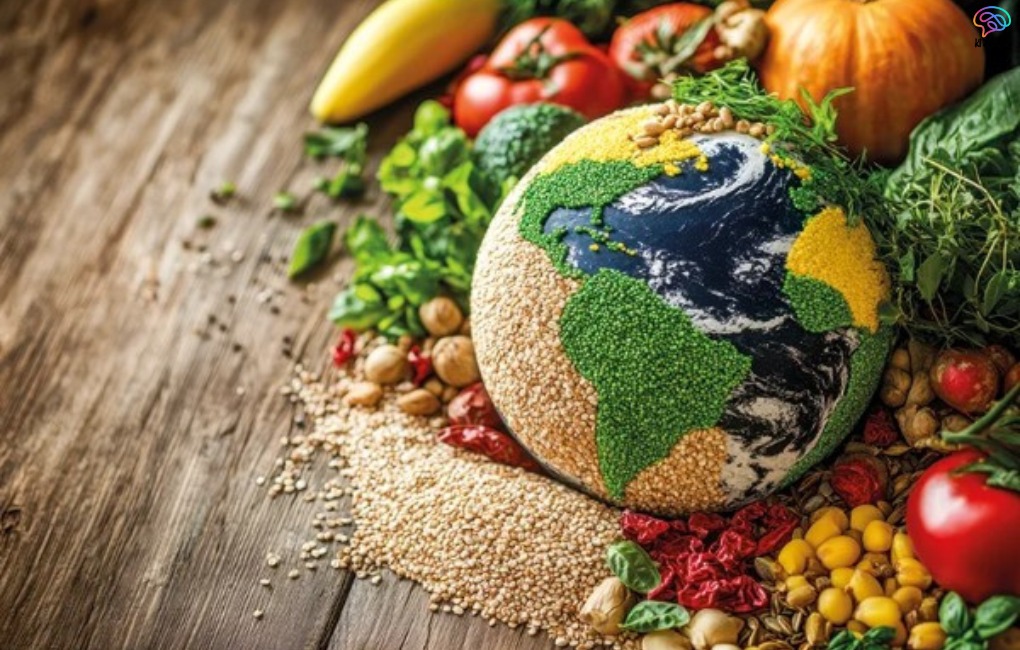
For India, Global Food Security 2025 is not just a national goal but part of its contribution to international progress. India’s success is particularly significant because of its demographic weight—reductions in hunger here have a direct impact on global numbers.
India’s Decline in Hunger
India has recorded substantial improvements in recent years. The undernourishment rate fell from 14.3% in 2020–22 to 12% in 2022–24. This translates to nearly 30 million fewer people suffering from hunger. Despite pandemic disruptions, India was able to sustain large-scale food assistance programs, reflecting strong political commitment and robust implementation mechanisms.
These achievements demonstrate how targeted policy reforms and modern service delivery systems can help reduce hunger even during global crises.
Transformation of the Public Distribution System (PDS)
One of the biggest breakthroughs in India Global Food Security 2025 is the transformation of the Public Distribution System (PDS). Digital innovations such as Aadhaar-based identification, biometric authentication, and electronic point-of-sale devices have streamlined food grain distribution.
The introduction of the One Nation One Ration Card (ONORC) scheme has been a game changer, especially for migrant workers. This ensures that beneficiaries can access subsidized food grains anywhere in the country, reducing exclusion errors and improving food security for vulnerable populations.
These reforms also made it possible to expand food assistance rapidly during the COVID-19 pandemic, preventing a severe hunger crisis.
Focus on Nutrition Beyond Calories
While India has made strides in reducing hunger, nutrition remains a pressing challenge. Over 60% of the population still cannot afford a healthy diet, mainly due to the high cost of nutrient-rich foods like fruits, vegetables, pulses, and dairy products.
Government initiatives such as Pradhan Mantri Poshan Shakti Nirman (PM POSHAN) and Integrated Child Development Services (ICDS) are now focusing on nutrition-sensitive approaches. These programs promote dietary diversity, target school children and mothers, and emphasize long-term health outcomes rather than just calorie intake.
This shift marks a critical evolution from food security to nutrition security.
Challenges in Malnutrition and Food Systems
Despite progress, India faces complex challenges. Malnutrition persists, with high rates of stunting, wasting, and anemia, particularly among children and women. On the other hand, obesity and lifestyle-related health issues are also rising, reflecting a double burden of malnutrition.
India’s agrifood system must undergo structural transformation. Greater emphasis is needed on producing affordable, nutrient-dense foods, reducing post-harvest losses (currently about 13%), and ensuring equitable access across rural and urban populations.
Strengthening Agrifood Infrastructure and Support
The future of India Global Food Security 2025 lies in strengthening agrifood infrastructure. Investments in cold storage, food processing, and digital logistics are essential to reduce waste and improve affordability.
Supporting women-led enterprises and Farmer Producer Organizations (FPOs) growing climate-resilient crops can boost both livelihoods and nutrition. Digital tools such as AgriStack and e-NAM are also enhancing planning, crop diversification, and farmer-market linkages. Together, these measures can build a sustainable, nutrition-sensitive food system.
India’s Global Leadership in Food Security
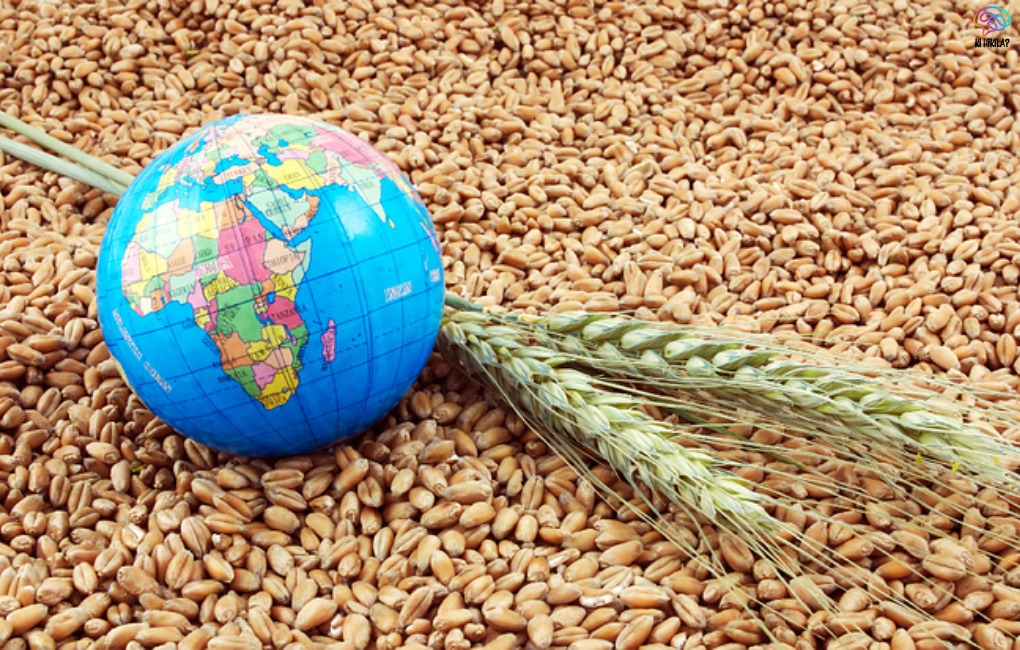
India’s progress goes beyond national boundaries. Its innovations in social protection, digital governance, and nutrition-focused interventions have become models for other developing countries. With only five years left to achieve the UN Sustainable Development Goals (SDGs), India’s leadership will be critical in driving global progress.
The success of India Global Food Security 2025 demonstrates that political will, technological innovation, and community engagement can work together to reduce hunger on a massive scale. As the world grapples with climate change, population growth, and resource constraints, India’s example provides hope and direction for the future.