India Re-Elected to ICAO Council 2025–2028: Strengthening Global Aviation Leadership

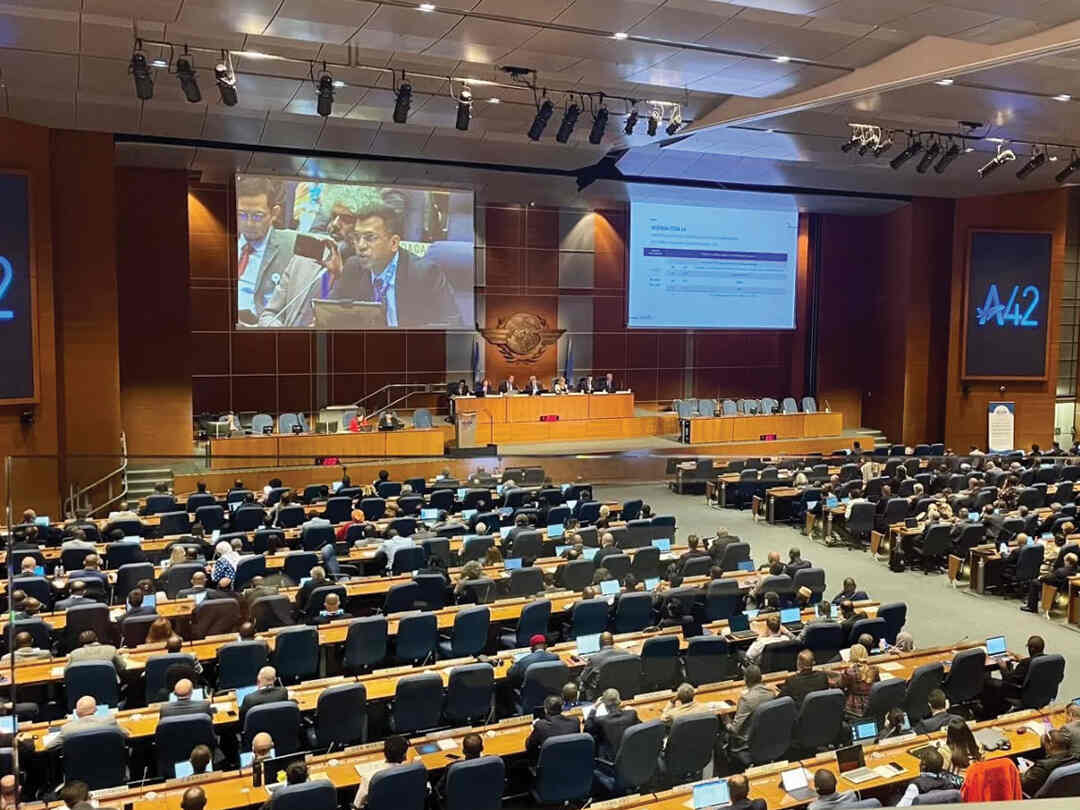
India Re-Elected to ICAO Council 2025–2028 marks another milestone in the country’s long-standing commitment to international civil aviation. India was re-elected to Part II of the International Civil Aviation Organization (ICAO) Council on 27 September 2025, during the 42nd ICAO Assembly session held in Montreal, Canada. India secured a higher number of votes than in 2022, signaling a stronger vote of confidence from the global aviation community. This re-election underscores India’s growing influence and reliability as a partner in global aviation governance.
Thank you for reading this post, don't forget to subscribe!Background and Election Process: India Re-Elected to ICAO Council 2025–2028
The International Civil Aviation Organization (ICAO) is a specialised United Nations agency that sets international standards and regulations for aviation safety, security, efficiency, and environmental protection. Established in 1944 under the Chicago Convention, ICAO brings together 193 member states to promote a safe and orderly growth of international civil aviation.
Every three years, the ICAO Assembly elects a 36-member Council responsible for governing the organization’s policy directions and activities. The Council is divided into three parts:
- Part I: States of chief importance in air transport.
- Part II: States that contribute significantly to international air navigation facilities.
- Part III: States whose designation ensures global representation.
India was re-elected to Part II, which recognizes countries that play a vital role in maintaining and improving international air navigation systems. As a founding member of ICAO since 1944, India has served continuously on the Council for 81 years, showcasing its unwavering dedication to global aviation collaboration.
India’s Campaign and Diplomatic Efforts: India Re-Elected to ICAO Council 2025–2028
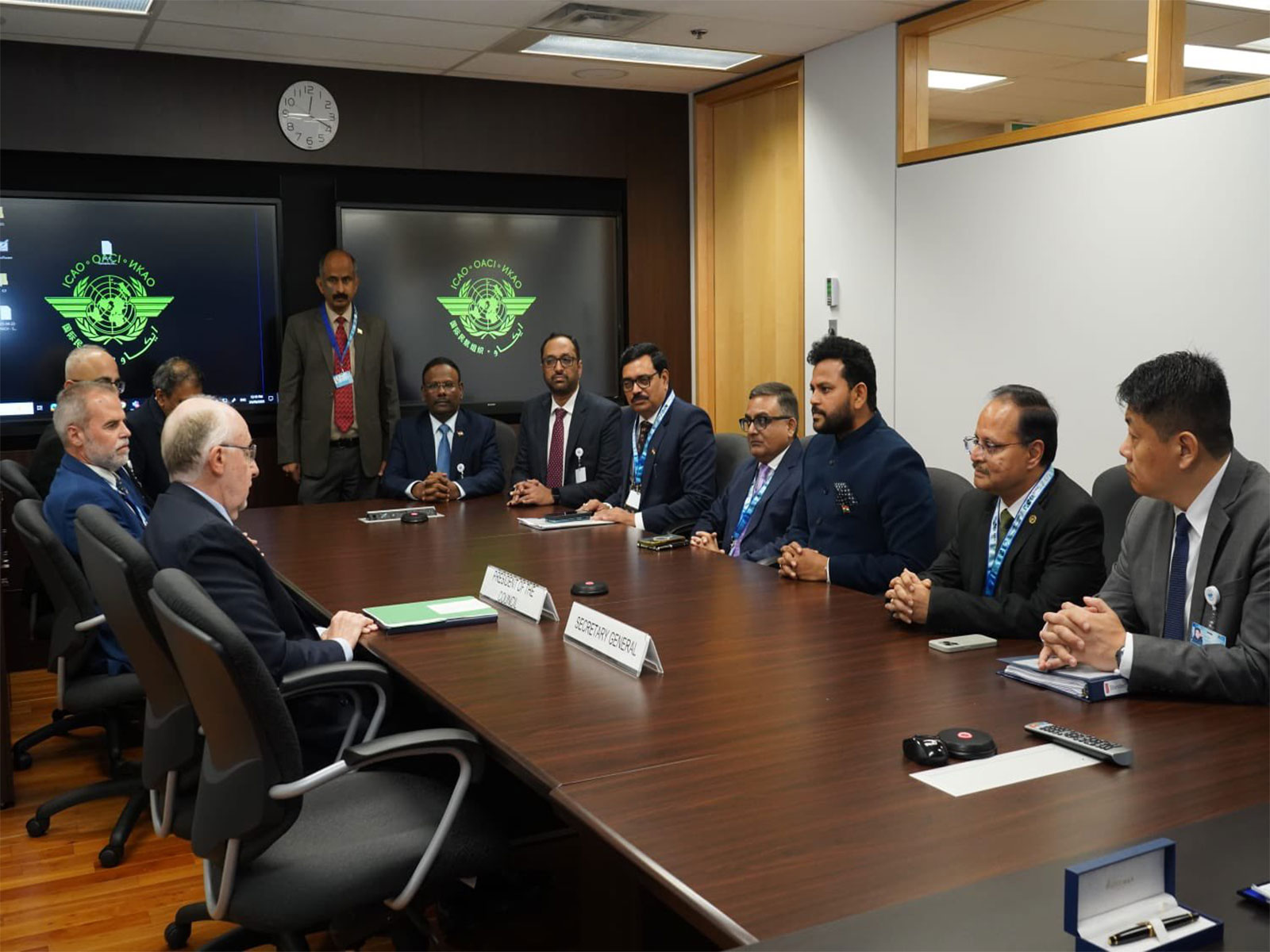
India’s successful re-election campaign was the result of strategic diplomatic outreach and robust engagement led by the Ministry of Civil Aviation and the Ministry of External Affairs (MEA). Ahead of the elections, Civil Aviation Minister Shri Rammohan Naidu hosted a special reception in New Delhi for ambassadors and high commissioners representing ICAO member countries. During the event, India highlighted its contributions to international aviation safety, training, and sustainability.
India’s Permanent Mission to ICAO in Montreal played a key role in canvassing support from other member states. Minister Naidu also held a series of bilateral meetings in Montreal with aviation ministers and representatives from various nations, emphasizing India’s commitment to ICAO’s global vision of safe, secure, and sustainable air transport.
The MEA’s global diplomatic network was instrumental in gathering momentum for India’s candidature. Indian embassies across regions engaged in coordinated efforts to showcase India’s leadership in aviation training, technology adoption, and sustainability initiatives key priorities that align with ICAO’s objectives.
India’s Role in International Civil Aviation: India Re-Elected to ICAO Council 2025–2028
India is among the world’s fastest-growing aviation markets, projected to become the third-largest aviation market in the coming years. Its air passenger traffic, aircraft manufacturing sector, and infrastructure development have attracted global investment and collaboration.
India’s contributions to ICAO are multifaceted:
- Policy and Standards: India actively participates in ICAO committees and working groups that shape international aviation standards, including those related to flight safety, environmental sustainability, and digital transformation.
- Aviation Safety: India’s Directorate General of Civil Aviation (DGCA) works closely with ICAO to implement global safety frameworks and improve oversight mechanisms.
- Training and Capacity Building: Through institutions such as the Indian Aviation Academy (IAA), India trains professionals from developing countries, aligning with ICAO’s No Country Left Behind (NCLB) initiative.
- Innovation and Sustainability: India advocates for cleaner, greener aviation by promoting biofuels, electric aircraft research, and carbon-neutral airports in line with ICAO’s environmental goals.
India’s inclusive approach to aviation focusing on safety, innovation, and equitable access has made it a model for developing states striving to enhance their aviation systems.
Commitments for the 2025–2028 Term: India Re-Elected to ICAO Council 2025–2028
During its new term from 2025 to 2028, India has pledged to strengthen its role in shaping the future of global aviation through a four-pronged strategy:
- Enhancing Safety and Security:
India will prioritize global aviation safety and security by advocating for stricter compliance, advanced air navigation technologies, and efficient oversight systems. - Promoting Sustainable Growth:
India aims to lead global efforts toward sustainable air connectivity by investing in renewable aviation fuels, improving fuel efficiency, and reducing emissions across the sector. - Driving Technological Innovation:
India will support the integration of digital air traffic management, AI-driven predictive maintenance, and drone regulation frameworks, enhancing efficiency and safety. - Supporting Developing States:
Through the No Country Left Behind initiative, India will help developing nations strengthen their aviation infrastructure, training, and regulatory capacities.
These goals align with ICAO’s vision of ensuring a balanced, inclusive, and sustainable future for international air transport.
Significance of India’s Re-election: India Re-Elected to ICAO Council 2025–2028
India’s re-election to the ICAO Council holds profound significance for global civil aviation. It is not just a diplomatic victory but also a recognition of India’s technical expertise, policy leadership, and international credibility. The increased number of votes reflects a growing trust among member states in India’s ability to contribute meaningfully to ICAO’s mission.
The achievement also comes at a time when India’s domestic aviation sector is witnessing remarkable transformation with new airports, increased regional connectivity under UDAN (Ude Desh ka Aam Naagrik), and partnerships in aircraft manufacturing and maintenance (MRO).
By retaining its seat in the ICAO Council, India ensures that its voice remains influential in shaping policies on global aviation safety, environmental sustainability, and equitable access to air transport infrastructure.
Conclusion
India’s re-election to the ICAO Council for 2025–2028 reaffirms its status as a key global player in civil aviation. With its strong commitment to safety, sustainability, and inclusivity, India continues to advance ICAO’s vision of a seamless and secure global air transport network. As aviation evolves through technological innovations and environmental challenges, India’s leadership will remain crucial in ensuring that international civil aviation grows responsibly, safely, and equitably.