

India-Sri Lanka Health Aid for TB

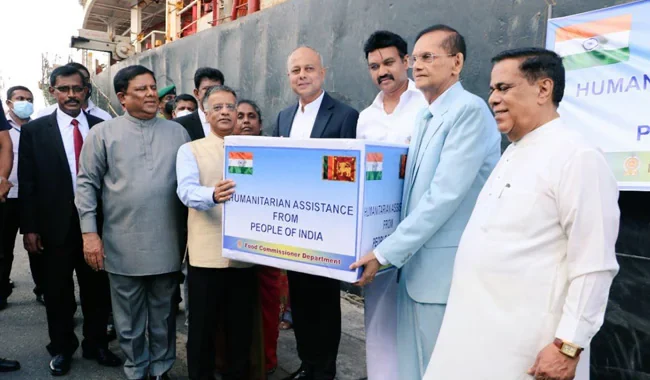
India-Sri Lanka Health Aid has received a fresh boost with India sending around three tonnes of anti-tuberculosis medicines to Sri Lanka on 28 September 2026. The medicines were transported to Colombo by an Indian Air Force C-130J aircraft as part of India’s continued support for Sri Lanka’s public health system.
Thank you for reading this post, don't forget to subscribe!The latest medical assistance is focused on tuberculosis (TB) control and adds to the health-related cooperation between the two neighbouring countries. India has also been providing technical and other assistance to support Sri Lanka’s efforts to prevent, diagnose and treat tuberculosis.
India Sends Anti-TB Medicines to Sri Lanka
The shipment of around three tonnes of anti-TB medicines reached Colombo on an Indian Air Force C-130J aircraft. The delivery is part of India’s wider development and health cooperation with Sri Lanka.
Tuberculosis remains an important public health concern in many countries. Access to medicines is a key part of TB treatment, and a steady supply of appropriate drugs is necessary for patients to complete their treatment.
India’s latest assistance is therefore aimed at supporting Sri Lanka’s tuberculosis control programme and helping maintain the availability of essential medicines.
India-Sri Lanka Health Cooperation
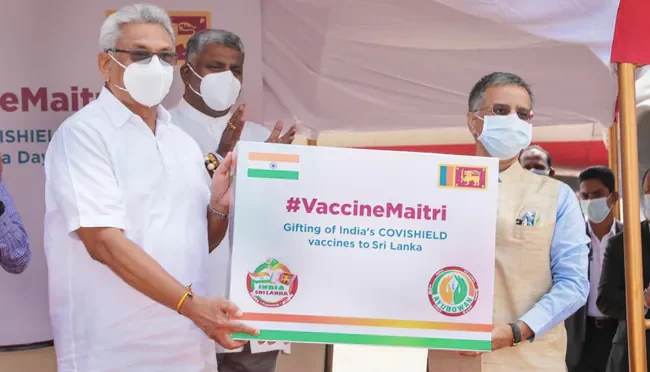
Health cooperation has been an important part of the relationship between India and Sri Lanka. India has supported Sri Lanka through medicines, technical assistance and development projects in different areas.
External Affairs Minister S. Jaishankar has highlighted India’s continued support for Sri Lanka’s public health system. Medical assistance is part of India’s broader development partnership with the country.
The latest anti-TB medicine shipment adds to this ongoing cooperation and comes at a time when both countries are working on different areas of public health and development.
Tuberculosis Remains a Major Health Concern
Tuberculosis is an infectious disease caused by Mycobacterium tuberculosis. It most commonly affects the lungs, although it can also affect other parts of the body, including the brain, kidneys and bones.
TB can spread from person to person through the air, particularly when a person with active pulmonary TB coughs, sneezes or speaks. Early diagnosis and proper treatment are important for controlling the spread of the disease.
Treatment normally involves a combination of anti-TB medicines taken over a prescribed period. Patients need to follow the treatment schedule carefully because incomplete or irregular treatment can create additional challenges for TB control.
National tuberculosis programmes generally combine diagnosis, treatment, follow-up and public health measures to reduce transmission and improve treatment outcomes.
Ministers Discuss TB Cooperation
India and Sri Lanka also discussed continued cooperation on tuberculosis during a meeting held on the sidelines of the 79th Session of the WHO Regional Committee for South-East Asia.
The meeting took place on 8 September 2026 in Dili, Timor-Leste. Sri Lankan Health and Mass Media Minister Dr. Nalinda Jayatissa met Indian Health and Family Welfare Minister Jagat Prakash Nadda during the regional health meeting.
The discussions included continued support for Sri Lanka’s tuberculosis control efforts. The meeting provided another opportunity for the two countries to coordinate their approach to public health issues.
The September discussions were followed by the arrival of the latest consignment of anti-TB medicines in Colombo.
Role of the Indian Air Force C-130J
The medicines were transported to Sri Lanka using an Indian Air Force C-130J aircraft. The C-130J is a military transport aircraft used for airlift and logistics operations.
Using an aircraft for the delivery allowed the medical consignment to be transported directly to Colombo. Such airlift capabilities can be useful for delivering essential supplies when quick or organised transportation is required.
The aircraft is also used by the Indian Air Force for a range of transport missions, including the movement of personnel and equipment.
India’s Wider Development Partnership with Sri Lanka
The anti-TB medicine shipment is part of a broader pattern of Indian assistance to Sri Lanka. India has supported several development and public welfare projects in the country through grants, technical assistance and other forms of cooperation.
Health has remained one of the areas covered by this partnership. Assistance can include medicines, medical infrastructure and support for public health programmes.
This cooperation has become particularly important when Sri Lanka requires additional support for essential services and development projects.
New Accident and Emergency Unit in Mannar
India’s health-related assistance to Sri Lanka also includes support for hospital infrastructure. Construction of a new two-storey Accident and Emergency Unit at District General Hospital, Mannar, began on 16 September 2026.
The project is being funded through an Indian government grant of SLR 600 million. The new facility is expected to strengthen emergency healthcare infrastructure at the hospital.
The Mannar project and the latest anti-TB medicine shipment show the different forms of health cooperation between India and Sri Lanka. While medicines provide direct support to disease-control programmes, infrastructure projects can strengthen healthcare facilities over a longer period.
WHO Regional Health Cooperation
The 79th Session of the WHO Regional Committee for South-East Asia provided a regional platform for health ministers and officials to discuss public health issues. India and Sri Lanka used the meeting to discuss their ongoing cooperation on tuberculosis.
Regional health meetings are important because diseases such as tuberculosis can cross national borders. Cooperation between neighbouring countries can support information sharing, treatment programmes and wider disease-control efforts.
India and Sri Lanka are both part of the WHO South-East Asia Region, making regional coordination relevant to their public health work.
Focus on Essential Medicines and Healthcare
The delivery of anti-TB medicines highlights the importance of maintaining reliable access to essential drugs. For tuberculosis programmes, medicines are a central part of patient care and disease control.
The three-tonne shipment will support Sri Lanka’s health system as it continues its tuberculosis control work. Along with medical supplies, technical cooperation can help health authorities improve diagnosis, treatment and follow-up services.
India’s latest assistance also comes alongside its support for hospital infrastructure in Sri Lanka, including the Mannar emergency unit project.
Continued Cooperation Between the Two Countries
The latest development adds another chapter to India-Sri Lanka cooperation in the health sector. From sending essential medicines to supporting hospital construction and discussing public health programmes at regional forums, both countries continue to work together on healthcare-related issues.
The arrival of around three tonnes of anti-TB medicines in Colombo on 28 September 2026 provides immediate support to Sri Lanka’s tuberculosis programme. At the same time, projects such as the new Accident and Emergency Unit at Mannar Hospital show the longer-term infrastructure side of India’s development partnership with Sri Lanka.