


New Penguin Species Identified

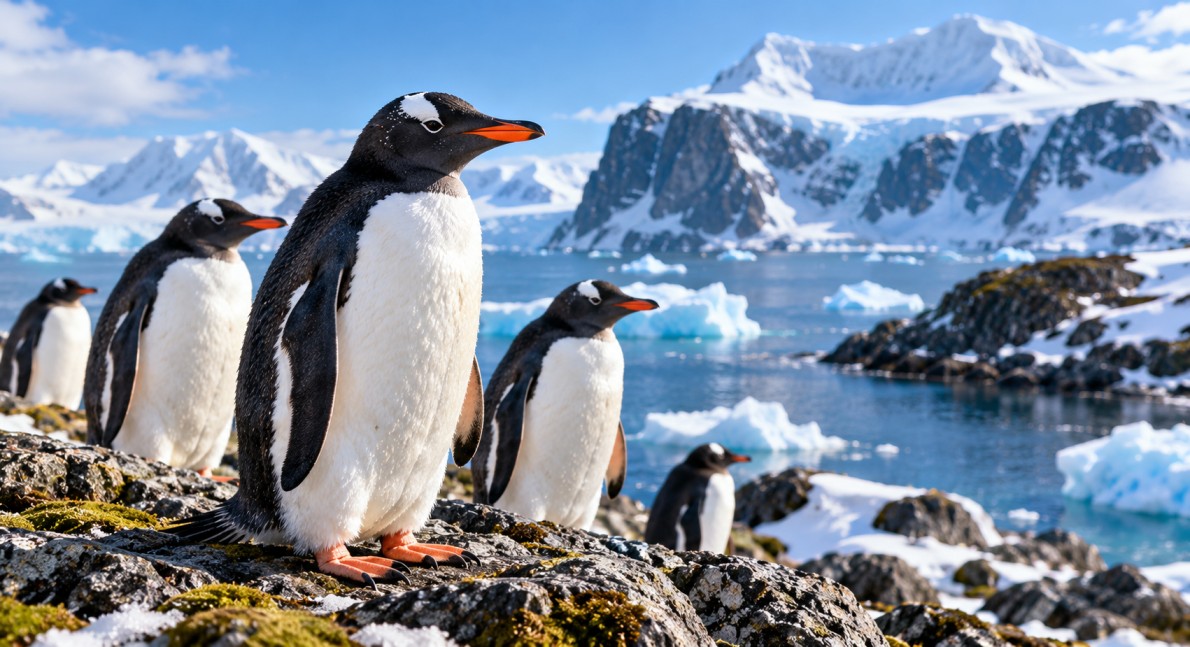
New Penguin Species has been identified after scientists found that gentoo penguins previously treated as one species actually represent four distinct evolutionary groups. The newly recognised southeastern gentoo penguin, Pygoscelis kerguelensis, is found in the Kerguelen Islands in the southern Indian Ocean. The discovery was based on genomic, ecological and morphological evidence and was formally described in a study published in Communications Biology in April 2026.
Thank you for reading this post, don't forget to subscribe!Gentoo Penguins Split Into Four Species
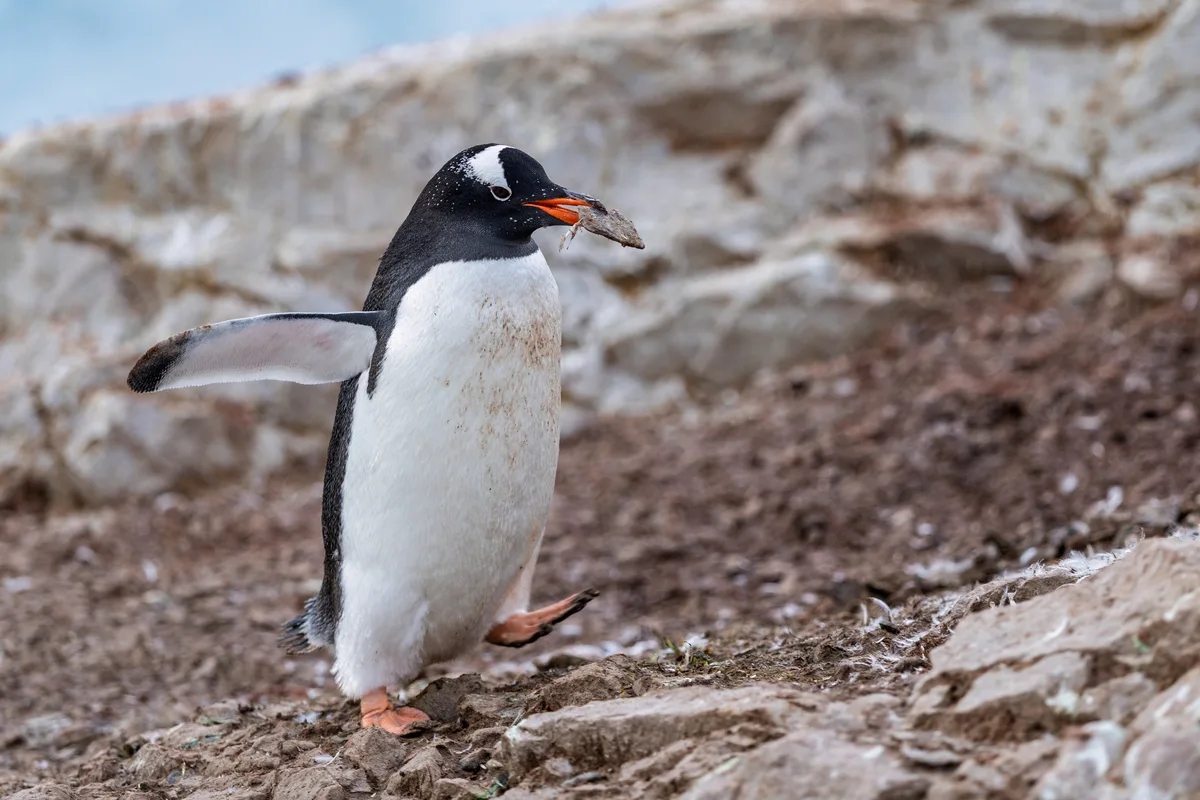
For many years, gentoo penguins were generally treated as a single species. The new research shows that the group contains four distinct species with separate evolutionary histories.
The four recognised species are the northern gentoo, Pygoscelis papua; southern gentoo, Pygoscelis ellsworthi; eastern gentoo, Pygoscelis taeniata; and the newly described southeastern gentoo, Pygoscelis kerguelensis.
The research team used genomic information to examine differences between gentoo populations living across the Southern Ocean. The analysis found strong genetic differences between the four major lineages, supporting their recognition as separate species.
What Is the New Southeastern Gentoo Penguin?
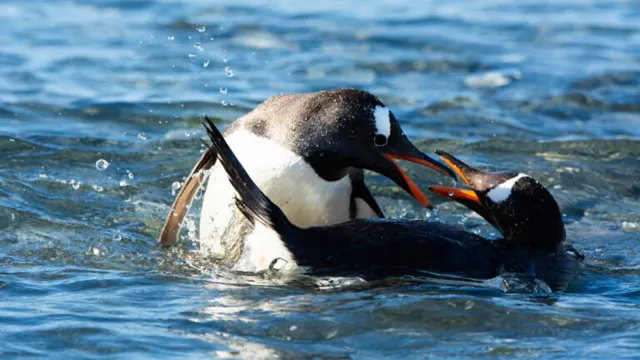
The newly recognised species is called the southeastern gentoo penguin. Its scientific name is Pygoscelis kerguelensis, a name linked to the Kerguelen Islands, where the species occurs.
The Kerguelen population was difficult to recognise as a separate species because it looks very similar to other gentoo penguins. Scientists describe this type of organism as a cryptic species, meaning that major differences may not be obvious from appearance alone.
The study found that genetic evidence provides a much clearer separation between the gentoo populations. Researchers also identified differences in body size and other biological characteristics.
DNA Reveals Hidden Biodiversity
The research involved an international team of 22 scientists and combined several types of evidence. Genomic analysis was particularly important because the penguins can look very similar even when their evolutionary histories are different.
Scientists examined genetic patterns across the gentoo penguin’s distribution and identified separate evolutionary lineages. The study also looked at natural selection and genes linked to characteristics such as temperature regulation, oxygen transport, metabolism and skeletal development.
This approach shows how modern genetic research can change the understanding of biodiversity. A population that appears to be part of a widespread species may contain several separate species that developed independently over long periods.
Where the Four Gentoo Species Live
The four species occupy different parts of the Southern Ocean.
The northern gentoo, Pygoscelis papua, is associated with South American populations, including the Falkland/Malvinas and Martillo Islands. The southern gentoo, Pygoscelis ellsworthi, occurs across the Antarctic Peninsula and other parts of maritime Antarctica.
The eastern gentoo, Pygoscelis taeniata, includes populations from subantarctic islands such as Crozet, Marion and Macquarie. The southeastern gentoo, Pygoscelis kerguelensis, is associated with the Kerguelen region, with satellite tracking also providing evidence of juvenile movements toward Heard Island.
The geographical separation of these populations has played an important role in their evolutionary development.
Climate Change Adds a Conservation Concern
The discovery also has important conservation implications. The researchers used future habitat projections to examine how climate change could affect the four newly defined species.
Their modelling suggests that three of the four gentoo species could experience severe habitat losses under future climate conditions. The southern gentoo is projected to have a different outlook and may potentially expand its range.
Warming conditions in Antarctic and sub-Antarctic regions can affect food availability, ocean conditions and suitable breeding or feeding areas. These changes may therefore affect penguin populations even when the birds themselves appear relatively stable today.
Why the Reclassification Matters
Recognising four species instead of one changes how scientists understand the gentoo penguin group. It also means that conservation assessments may need to consider each species separately.
A large population spread across different regions can appear relatively secure when measured as one group. However, separating that population into distinct species may reveal that individual lineages have much smaller ranges and face different environmental pressures.
The researchers have called for future conservation assessments, including evaluations by organisations such as the IUCN, to consider the four gentoo species separately.
A Century After the Last New Penguin Species
The discovery has attracted attention because it is being described as the first new penguin species formally named in more than a century. Researchers say the last penguin species discovery of this kind occurred in the early 20th century.
The new finding does not mean scientists had never studied Kerguelen gentoo penguins before. Specimens from the islands have been held in natural history collections for well over a century. The difference is that modern genomic research has now provided evidence supporting their recognition as a separate species.
The study demonstrates how combining museum specimens, DNA analysis, field observations and ecological research can reveal biodiversity that was previously hidden within a broader species classification.