India UN West Bank Statement on Israel Actions

India UN West Bank Statement has become a major diplomatic development after India joined more than 100 countries and international organisations in supporting a United Nations declaration criticising Israel’s actions in the West Bank. The joint statement raised concerns over steps described as efforts to strengthen control over the occupied territory and said such measures go against international law.
Thank you for reading this post, don't forget to subscribe!India endorsed the statement shortly before the deadline for signatures ended. The timing is important because Prime Minister Narendra Modi is scheduled to visit Israel next week. During his visit, he is expected to address the Israeli Parliament and meet top leaders in Tel Aviv and Jerusalem. This has made India’s decision closely watched by both regional and global observers.
The move reflects India’s long-standing position on the Israel-Palestine issue. India has consistently supported a two-state solution, which calls for peaceful negotiations leading to the creation of an independent Palestinian state alongside Israel. At the same time, India has built strong defence, agriculture, and technology partnerships with Israel over the past three decades.
What the UN Statement Highlighted
The UN joint declaration strongly criticised unilateral decisions related to settlement expansion and administrative changes in the West Bank. It described such actions as violations of international law and called for their immediate reversal.
The statement also rejected any steps aimed at annexation or altering the demographic structure and status of territories occupied since 1967. This includes East Jerusalem, which remains one of the most sensitive issues in the conflict. Both Israel and Palestine claim Jerusalem as their capital.
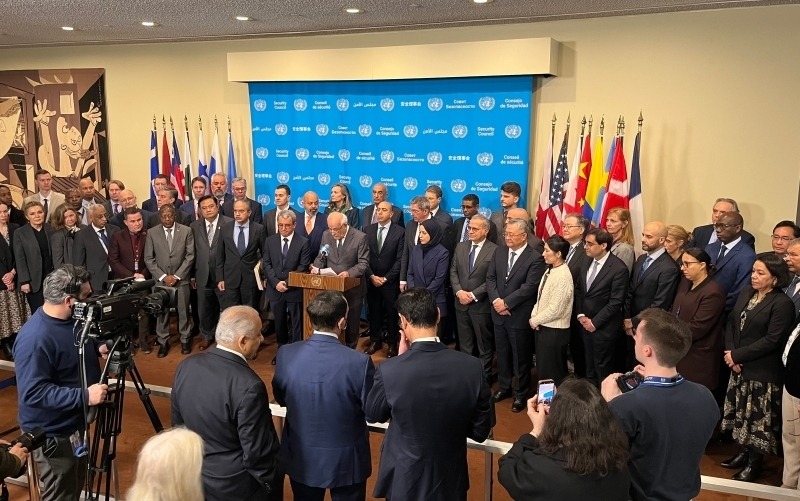
More than 100 nations and international bodies supported the declaration, showing that concerns over the situation in the West Bank remain widespread. While UN General Assembly statements are generally not legally binding, they carry political weight and reflect global opinion.
The joint message focused on protecting the possibility of long-term peace. It stressed that unilateral actions could reduce trust and make negotiations more difficult.
India’s Diplomatic Strategy
India’s endorsement of the UN statement shows its effort to balance principles and partnerships. India has historical ties with Palestine and was one of the first non-Arab countries to recognise the State of Palestine in 1988. At the same time, India established full diplomatic relations with Israel in 1992 and has since deepened cooperation in many fields.
Israel is a key defence partner for India. The two countries collaborate on missile systems, surveillance technology, agriculture innovation, water management, and cybersecurity. High-level visits between leaders of both countries have strengthened bilateral ties in recent years.
However, India has also maintained strong political and economic ties with Arab nations such as Saudi Arabia, the United Arab Emirates, and Qatar. Millions of Indian citizens work in Gulf countries, and the region is important for India’s energy needs. Because of this, India carefully manages its diplomatic positions in West Asia.
By signing the UN statement, India has reaffirmed its support for international law and peaceful dialogue, while still maintaining strong engagement with Israel.
India UN West Bank Statement and Background of the West Bank Conflict
The West Bank has been at the centre of the Israeli-Palestinian conflict since the 1967 Six-Day War, when Israel captured the territory from Jordan. Since then, the region has experienced repeated tensions, settlement expansion, and political disagreements.
Israeli settlements in the West Bank remain one of the most debated issues in global diplomacy. Many countries view these settlements as illegal under international law, while Israel disputes that interpretation and argues that the territory’s status is disputed rather than occupied.
East Jerusalem is another highly sensitive matter. Both Israelis and Palestinians see the city as deeply important to their national identity and religious history. Changes in the city’s status often lead to international reactions and protests.
In recent years, violence in both the West Bank and Gaza has increased. The broader conflict has been influenced by shifting alliances in West Asia, the Gaza crisis, and internal political changes in both Israel and Palestine.
India UN West Bank Statement in the Global Political Context
The India UN West Bank Statement comes at a time when global politics is already tense due to conflicts in Ukraine and the Middle East. International focus on humanitarian concerns and territorial disputes has grown stronger.
The United States continues to play a major role in the Israel-Palestine peace process, although progress has been slow. European Union countries frequently call for restraint and renewed negotiations. Several Asian and African nations have also expressed concern over actions that could affect the final status of the West Bank.
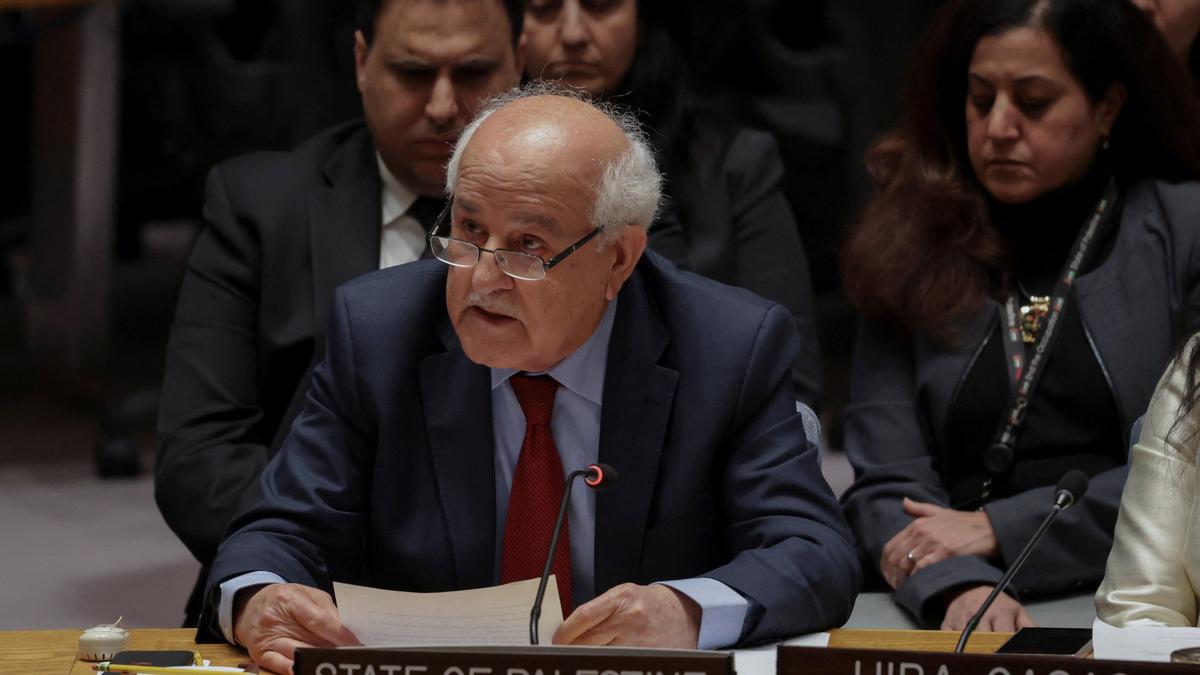
India’s participation in the statement highlights its role as a growing global voice. As one of the world’s largest democracies and an active member of multilateral platforms, India often supports diplomatic solutions to long-standing conflicts.
West Asia remains strategically important for India, not only for energy supplies but also for trade routes and regional stability. Any rise in tensions can affect oil prices and economic conditions globally.
Diplomatic Significance Ahead of High-Level Visit
Prime Minister Narendra Modi’s upcoming visit to Israel adds another layer of importance to this development. Diplomatic observers note that India’s endorsement of the UN statement does not signal a break in relations with Israel. Instead, it reflects India’s consistent support for peaceful resolution and dialogue.
Modern diplomacy often involves managing complex relationships. Countries maintain economic and defence partnerships even when they disagree on certain political matters. India’s balanced approach shows how it seeks to protect its strategic interests while standing by international principles.
The India UN West Bank Statement demonstrates that India continues to engage actively in global discussions on peace and stability. As regional dynamics evolve, India is likely to keep promoting dialogue, cooperation, and respect for international law in West Asia.