

Indian Diaspora Heritage Sites in Southeast Asia

Indian Diaspora heritage sites across Southeast Asia show the long history of movement, trade, religion and cultural exchange between India and the region. From ancient Hindu temples to Sikh gurdwaras and modern cultural centres, these places preserve the traditions of Indian communities that have lived and contributed to Southeast Asian societies for centuries.
Thank you for reading this post, don't forget to subscribe!These heritage sites also show how Indian culture developed outside India while adapting to local traditions. They remain important places for worship, community activities, language, festivals, art and cultural exchange.
Ancient Indian Connections with Southeast Asia
The relationship between India and Southeast Asia is more than 2,000 years old. Maritime trade routes across the Bay of Bengal and the Andaman Sea connected merchants, religious teachers and communities from India with Southeast Asia.
Indian traders and Buddhist monks travelled to different parts of the region, carrying goods as well as religious and cultural ideas. Hinduism, Buddhism, Sanskrit and Indian artistic traditions influenced several early kingdoms, including Funan, Champa, Srivijaya and Majapahit.
Indian ideas could be seen in temple architecture, art, literature, political traditions and religious practices. Concepts connected with Mount Meru and the mandala were adapted into local architectural and cultural traditions.
Later, during the 19th and 20th centuries, another major movement of people took place under colonial rule. Tamils, Punjabis, Gujaratis and Sindhis travelled to Southeast Asian countries as workers, traders, civil servants and professionals. Many established temples, gurdwaras, community organisations and cultural institutions.
Indian Diaspora in Malaysia
Malaysia has one of the largest Indian-origin communities in Southeast Asia. A large part of the community has Tamil roots, with many ancestors arriving during the British colonial period to work in plantations, railways and other infrastructure-related activities.
Over time, Indian communities established religious and cultural institutions that continue to operate today. Temples, gurdwaras and community centres have become important parts of Malaysia’s multicultural society.
Among the most well-known Indian Diaspora heritage sites in Malaysia is Batu Caves near Kuala Lumpur.
Batu Caves and Lord Murugan
Batu Caves is a major Hindu religious site located inside a limestone hill believed to be around 400 million years old. The site is particularly associated with Lord Murugan.
One of its most recognisable features is the 42.7-metre-high statue of Lord Murugan, which stands near the entrance to the cave complex.
Batu Caves is also closely associated with Thaipusam, an important Hindu festival. During the festival, large numbers of devotees gather at the site for prayers, religious processions and traditional rituals.
The site has become an important symbol of the Indian Hindu community in Malaysia while also attracting visitors interested in the region’s religious and cultural heritage.
Sri Mahamariamman Temple in Kuala Lumpur
The Sri Mahamariamman Temple in Kuala Lumpur is another important part of Malaysia’s Indian heritage. Established in 1873, it is regarded as the oldest Hindu temple in Kuala Lumpur.
The temple follows the Dravidian architectural tradition. Its colourful gopuram, or entrance tower, features detailed sculptures of Hindu deities.
The temple has served as an important religious and community centre for generations of Indian Malaysians. Its continued use demonstrates how historic Indian religious institutions remain part of modern urban life.
Indian Heritage in Penang
George Town in Penang has several sites connected with the history of the Indian community. The Indian Heritage Gallery and Cultural Centre highlights Indian traditions, art and history.
Its collections include Tanjore paintings, traditional objects, clay figures, antique brass containers and coins associated with South Indian dynasties such as the Cholas and Cheras.
These collections help preserve the history of Indian cultural connections with Southeast Asia and show how trade and migration created long-lasting links between the two regions.
Wadda Gurdwara Sahib
Wadda Gurdwara Sahib in Penang is an important Sikh heritage site. Established in 1901, it is recognised as one of the oldest and largest Sikh temples in Southeast Asia.
The building is also recognised as a Category One heritage building, representing the highest level of protection under Malaysia’s conservation system.
The gurdwara has served both religious and community purposes. Like many historic Sikh institutions, it has provided a place for worship, gathering and community activities.
Recent Restoration of Wadda Gurdwara Sahib
The Indian Diaspora heritage story received fresh attention in September 2026 when Wadda Gurdwara Sahib reopened after extensive conservation work.
The restoration reportedly cost around RM6 million. Traditional lime mortar was used during the conservation work, while a dome was brought from Amritsar. Artisans from Tamil Nadu worked on decorative detailing.
The reopening included the Prakash of Guru Granth Sahib and highlighted the importance of preserving historic Indian-origin religious buildings outside India.
The restoration also shows how heritage conservation can involve cooperation between communities and experts from different parts of India and Southeast Asia.
Indian Diaspora Heritage in Singapore
Singapore has a long-established Indian community and Indian traditions form an important part of its multicultural identity. Tamil is one of Singapore’s four official languages.
The Sri Mariamman Temple is the oldest Hindu temple in Singapore. It was founded in 1827 by Naraina Pillai and is located in the Chinatown area.
The temple became an important place for early Indian immigrants and served community needs beyond religious worship. It was also once the only Hindu temple in Singapore authorised to solemnise Hindu marriages.
In 1973, Sri Mariamman Temple was gazetted as a National Monument, recognising its historical and architectural importance.
Theemithi Festival
The Indian Diaspora in Singapore continues to preserve traditional festivals and religious practices. One of the most visible examples is the Theemithi Festival, or fire-walking ceremony, associated with Sri Mariamman Temple.
The annual ceremony is generally held around October or November. Devotees take part in religious rituals and fire-walking as an expression of faith.
The festival shows how traditions brought by Indian communities have continued across generations while becoming part of Singapore’s wider multicultural cultural life.
Indian Cultural Centres in Thailand
Indian cultural connections are also visible in Thailand. The Swami Vivekananda Cultural Centre in Bangkok was inaugurated in September 2009.
The centre promotes Indian culture and supports activities such as Hindi language classes, Indian drumming and Bharatanatyam.
Another institution is the Thai-Bharat Cultural Lodge, established in Bangkok in 1940 by Swami Satyananda Puri with encouragement from Rabindranath Tagore. It has supported cultural exchange and comparative studies between India and Thailand.
Such institutions help maintain Indian cultural traditions while creating opportunities for interaction between Indian and Thai communities.
Nathlaung Kyaung Temple in Myanmar
Myanmar has both ancient and modern connections with Indian communities and traditions. One notable heritage site is the Nathlaung Kyaung Temple in Bagan.
The temple dates to the 10th or 11th century and is dedicated to Lord Vishnu. It is regarded as the only remaining Hindu temple within the ancient city walls of Bagan.
Its architecture reflects the early Bagan style, with a square layout and steep terraces. The temple provides evidence of the historical presence and influence of Hindu traditions in the region.
Language, Festivals and Performing Arts
Indian Diaspora heritage sites are not limited to buildings. They also preserve living traditions.
Indian languages such as Tamil and Hindi continue to be used and promoted by communities across Southeast Asia. Festivals such as Diwali and Thaipusam are celebrated publicly in several countries.
Indian classical dance, music and devotional performances are also supported by temples, cultural centres and community organisations.
These activities allow younger generations to remain connected with their heritage while living in multicultural societies.
Role in Cultural Exchange
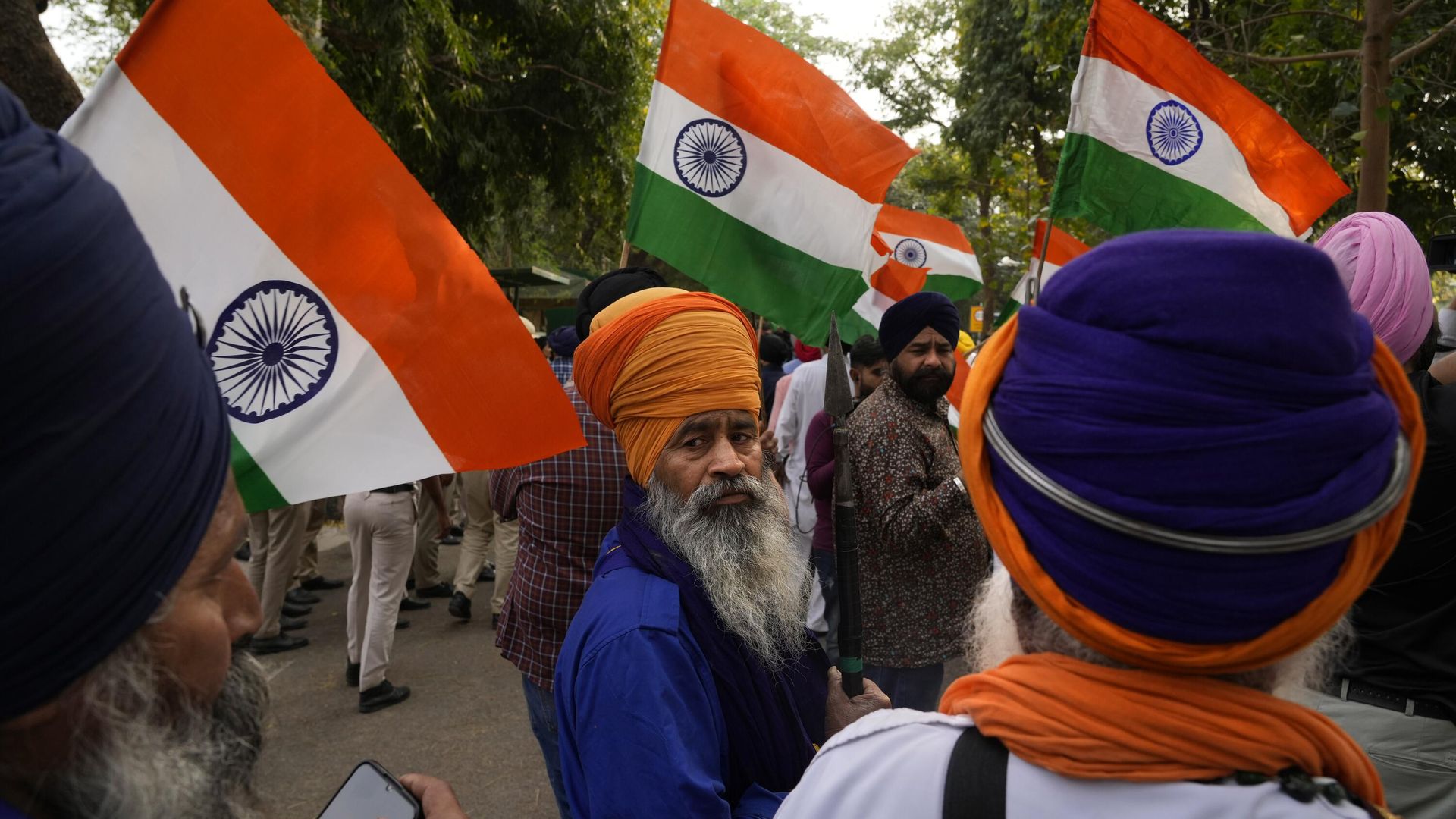
Indian Diaspora institutions also contribute to people-to-people relations between India and Southeast Asian countries.
Temples and gurdwaras provide spaces for religious activities and community support. Cultural centres promote language, dance, music and educational programmes.
The preservation of these sites also contributes to cultural diplomacy by highlighting the shared history between India and Southeast Asia.
The continuing restoration and use of heritage sites such as Wadda Gurdwara Sahib, Sri Mariamman Temple and Batu Caves demonstrate that Indian heritage in Southeast Asia is not only a record of the past. It remains part of the region’s living cultural landscape.