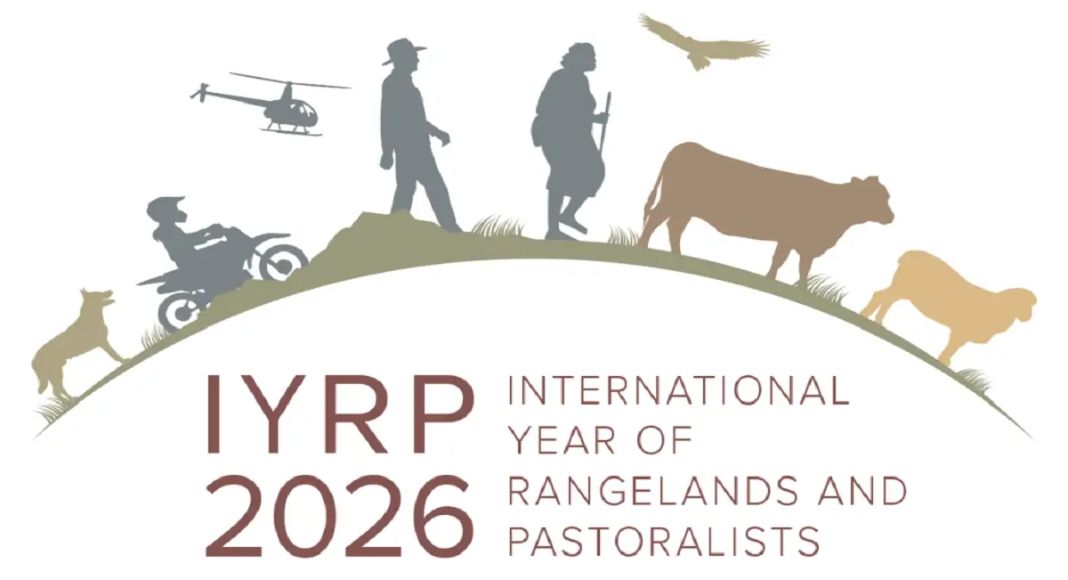
UN Names 2026 International Year for Rangelands to Protect Overlooked Ecosystems

International Year for Rangelands has been announced by the United Nations for 2026, drawing global attention to grasslands, savannahs, and the communities that depend on them. These wide open landscapes often receive far less attention than forests, even though they cover a large part of the Earth and support millions of people. With climate challenges growing stronger every year, the UN’s decision aims to remind the world that protecting nature means looking beyond trees alone.
Thank you for reading this post, don't forget to subscribe!Rangelands are home to pastoral communities, wildlife, and rich plant life. They store carbon, help control climate extremes, and provide food and livelihoods. By dedicating a full year to rangelands and pastoralists, the UN hopes to shift public thinking and policy focus toward these often ignored ecosystems.
Why International Year for Rangelands Matters for Climate Action
International Year for Rangelands comes at a time when climate discussions are still heavily focused on forests. While forests are important, scientists have repeatedly pointed out that grasslands and savannahs also play a big role in holding carbon in the soil. In fact, much of their climate value lies underground, where deep root systems store carbon for long periods.
In 2022, scientists from around the world urged global climate bodies to expand their view and include all natural landscapes in climate plans. They stressed that ignoring grasslands creates gaps in climate solutions. Even today, many global talks still fail to give rangelands the same importance as forests, despite clear scientific backing.
Global Climate Talks and the Missing Grasslands
Recent climate meetings have shown how forests continue to dominate the global agenda. Major announcements, funding plans, and discussions often revolve around saving tropical forests. While these efforts are welcome, they leave little space for grasslands, which face their own serious threats.
The focus on forests is partly driven by geography. Countries rich in rainforests naturally highlight them. However, this approach risks sidelining vast grassland regions spread across Africa, Asia, Australia, and South America. International Year for Rangelands is meant to correct this imbalance and bring grasslands into mainstream climate conversations.
Pressure on Grasslands Is Growing Fast
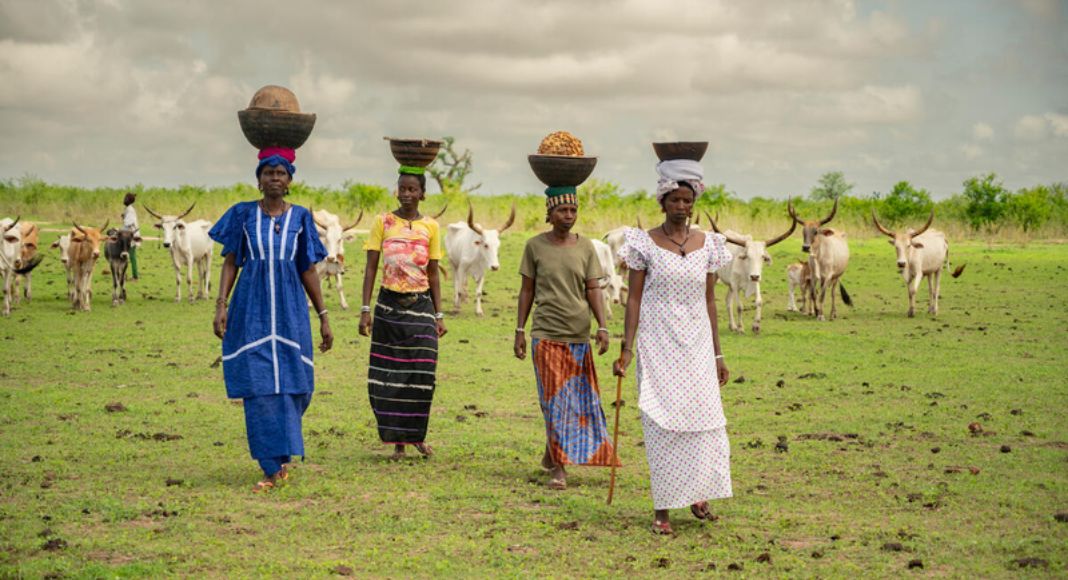
Grasslands around the world are under heavy pressure. Expanding farming, tree plantations, mining, and large infrastructure projects are shrinking these open spaces. At the same time, policies that block traditional land practices have made matters worse in many places.
For generations, pastoral communities have managed grasslands through grazing and controlled burning. These methods helped prevent extreme fires and kept ecosystems healthy. When such practices were pushed aside, wildfires became more intense, releasing more carbon into the air.
In countries like Australia, Indigenous-managed desert grasslands are now facing longer droughts, sudden floods, and invasive plants. Some invasive grasses burn hotter and faster than native ones, increasing fire risks and damaging the land further.
International Year for Rangelands and Lessons from Around the World
International Year for Rangelands also shines a light on regions like Brazil’s Cerrado, a vast savannah that supports important river systems and wildlife. Despite its value, it faces stronger land pressure than even the Amazon. Similar stories can be found in Africa’s savannahs and Asia’s dry grasslands.
Experts say that protecting these landscapes requires better coordination between climate, land, and biodiversity policies. Grasslands should be included in national climate plans and treated as natural allies in the fight against climate change.
What This Means for India and the Future
In India, grasslands are often spread across different departments, leading to mixed priorities. Some areas are treated as empty land rather than living ecosystems. Recognising grasslands as valuable carbon-storing landscapes could bring better protection and also support pastoral communities that depend on them.
International Year for Rangelands offers a chance for governments, scientists, and communities to work together. By valuing grasslands alongside forests, the world can move toward a more balanced and effective climate response—one that protects nature in all its forms, not just the ones with trees.