Iran Closes Strait of Hormuz Amid Nuclear Talks and Rising Regional Tensions

Iran Closes Strait of Hormuz moved into global headlines after Tehran temporarily announced the closure of the strategic waterway during live fire military drills. The announcement came at a sensitive moment, as indirect nuclear negotiations between Iran and the United States were taking place in Geneva. Though described by Iranian authorities as a safety measure, the move sent a strong signal to global markets and regional powers about Iran’s ability to influence one of the world’s most important energy routes.
Thank you for reading this post, don't forget to subscribe!The Strait of Hormuz is a narrow but vital maritime passage that connects the Persian Gulf with the Gulf of Oman and the Arabian Sea. Nearly twenty percent of the world’s oil supply passes through this route every day. Any disruption, even for a few hours, raises concerns about energy security, shipping safety, and wider geopolitical stability.
Military Drills and a Clear Message
Iranian state media reported that the Islamic Revolutionary Guard Corps carried out live fire drills in waters near the strait. Missiles were launched toward designated areas, and authorities announced that shipping traffic would be restricted for several hours due to safety and maritime concerns. While Iran has often threatened to block the strait in the past, this marked a rare instance where it publicly declared a temporary closure during active military exercises.
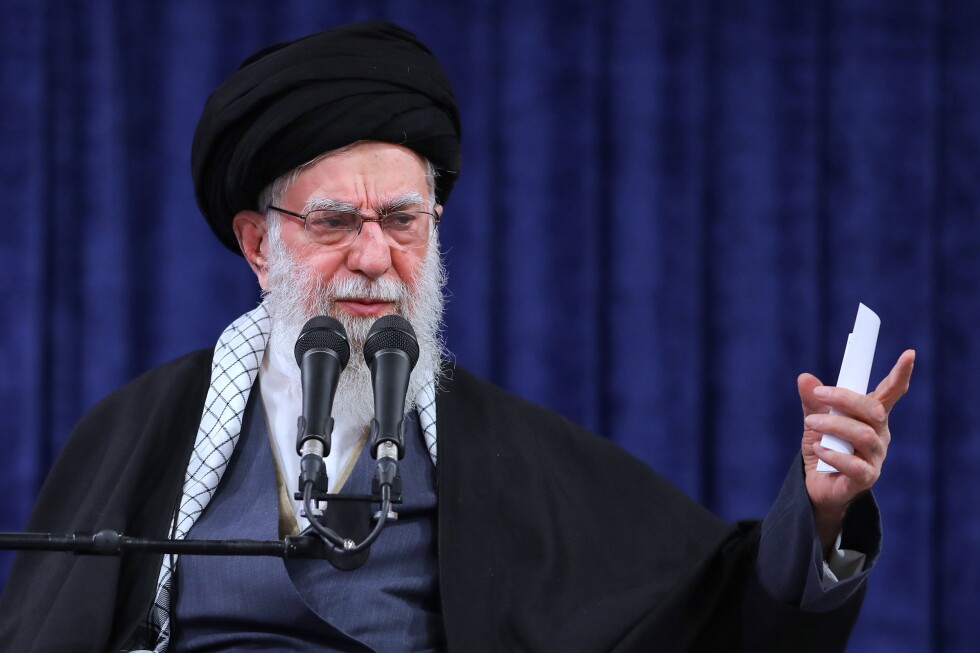
Supreme Leader Ayatollah Ali Khamenei issued a strong warning during this period, stating that Iran would respond decisively to any act of aggression. Analysts viewed the drills not just as a military exercise, but as strategic signalling. By demonstrating its capacity to disrupt shipping in the Strait of Hormuz, Iran reminded the world that any conflict involving Tehran could have immediate global economic consequences.
Diplomacy in Geneva Continues
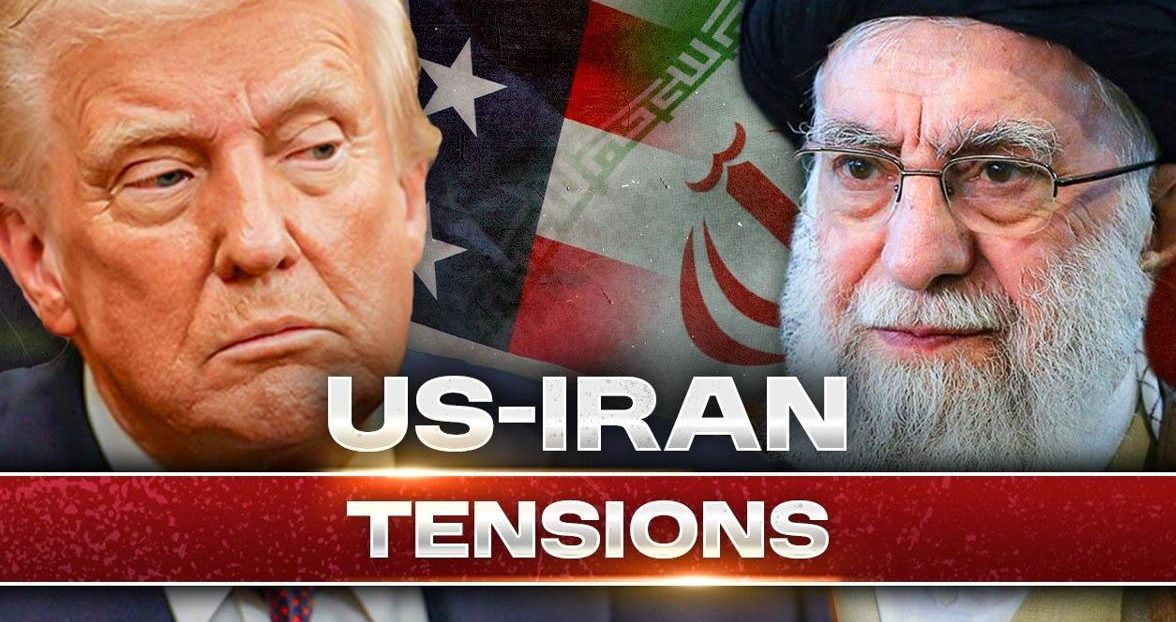
The timing of the drills was closely linked to ongoing diplomatic efforts. Indirect nuclear talks between Iran and the United States were being held in Geneva, with Oman acting as the mediator. These talks are part of broader efforts to reduce tensions over Iran’s nuclear programme, which has been a source of international concern for years.
Iran’s Foreign Minister Abbas Araghchi later adopted a calmer tone, expressing hope that negotiations could lead to a sustainable and balanced agreement. He stressed that Iran remains committed to diplomacy, provided its rights and security concerns are respected.
On the American side, the delegation was led by Steve Witkoff and Jared Kushner. Both sides acknowledged that while some progress had been made, major differences remain. The core dispute continues to centre on uranium enrichment levels and the size of Iran’s nuclear stockpile. Tehran insists its nuclear activities are peaceful, while Washington seeks firm guarantees that Iran will not develop nuclear weapons.
Growing Military Presence in the Region
As diplomacy continues, the United States has also increased its military presence in the Middle East. Additional naval assets and forces have been deployed to reassure allies and deter any escalation. This buildup reflects Washington’s dual strategy of pressure and engagement, combining military readiness with diplomatic outreach.
Regional analysts note that such moves are closely watched by Iran and its neighbours. For Gulf Arab states, any confrontation in the Strait of Hormuz is a serious concern. These countries rely heavily on the strait for exporting oil and gas, and even a short disruption can affect government revenues and global energy prices.
Oil Markets React with Caution
Global oil markets responded quickly to the announcement that Iran closes Strait of Hormuz, even temporarily. Prices initially rose amid fears of supply disruption, as traders reacted to the heightened rhetoric and military activity. However, prices later eased after reports suggested that the closure was limited in duration and that diplomatic talks in Geneva were continuing.
This cautious reaction reflects a balance between risk and hope. On one hand, the Strait of Hormuz remains a major vulnerability for global energy flows. On the other, ongoing negotiations signal that neither side may want a full scale confrontation that could spiral out of control.
Wider Regional Impact
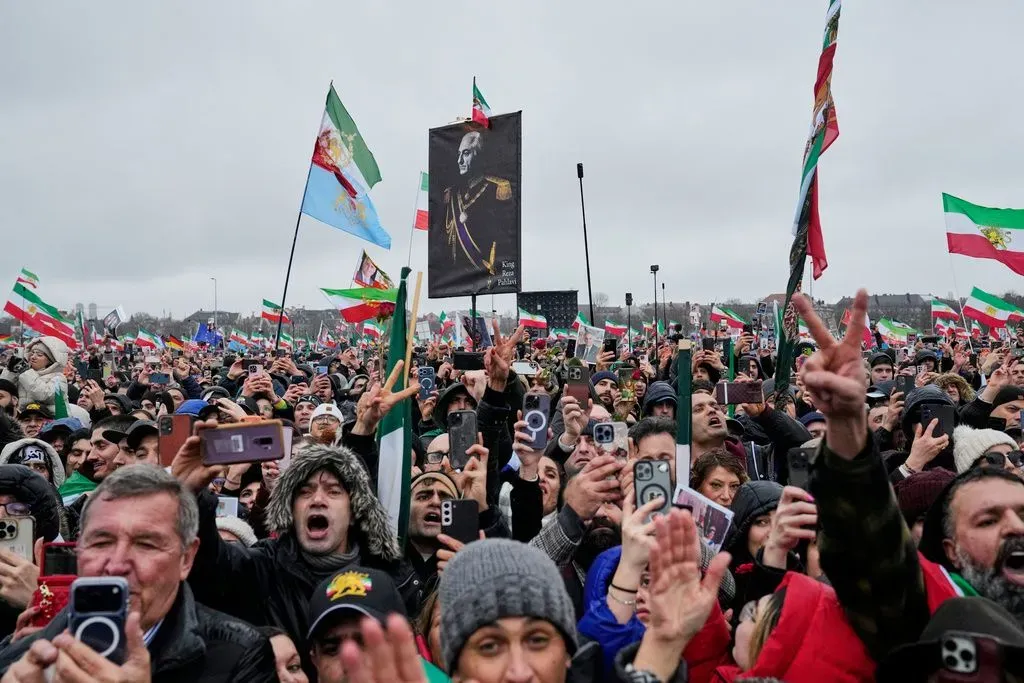
The temporary closure has highlighted how fragile the regional security environment remains. The Middle East is already strained by past conflicts, proxy tensions, and political rivalries. Any escalation involving Iran and the United States could quickly draw in other regional actors, increasing the risk of broader instability.
Iran has previously enriched uranium up to sixty percent purity, which is close to weapons grade levels. While this has raised alarms in Western capitals, Tehran argues that its actions are reversible and meant to strengthen its negotiating position. The current talks aim to find a framework that limits Iran’s nuclear activities in exchange for sanctions relief and economic engagement.
What Lies Ahead
The episode shows how closely military actions, diplomacy, and global markets are linked. Iran’s decision to announce a temporary closure of the Strait of Hormuz during sensitive talks underscores its leverage and its willingness to use strategic pressure. At the same time, the continuation of negotiations suggests that both Tehran and Washington see value in dialogue.
As discussions continue, the world will be watching the Strait of Hormuz closely. Whether calm prevails or tensions rise will depend largely on the outcome of the Geneva talks and the choices made by leaders on both sides. For now, the message is clear: the Strait of Hormuz remains at the heart of global energy security and regional geopolitics.