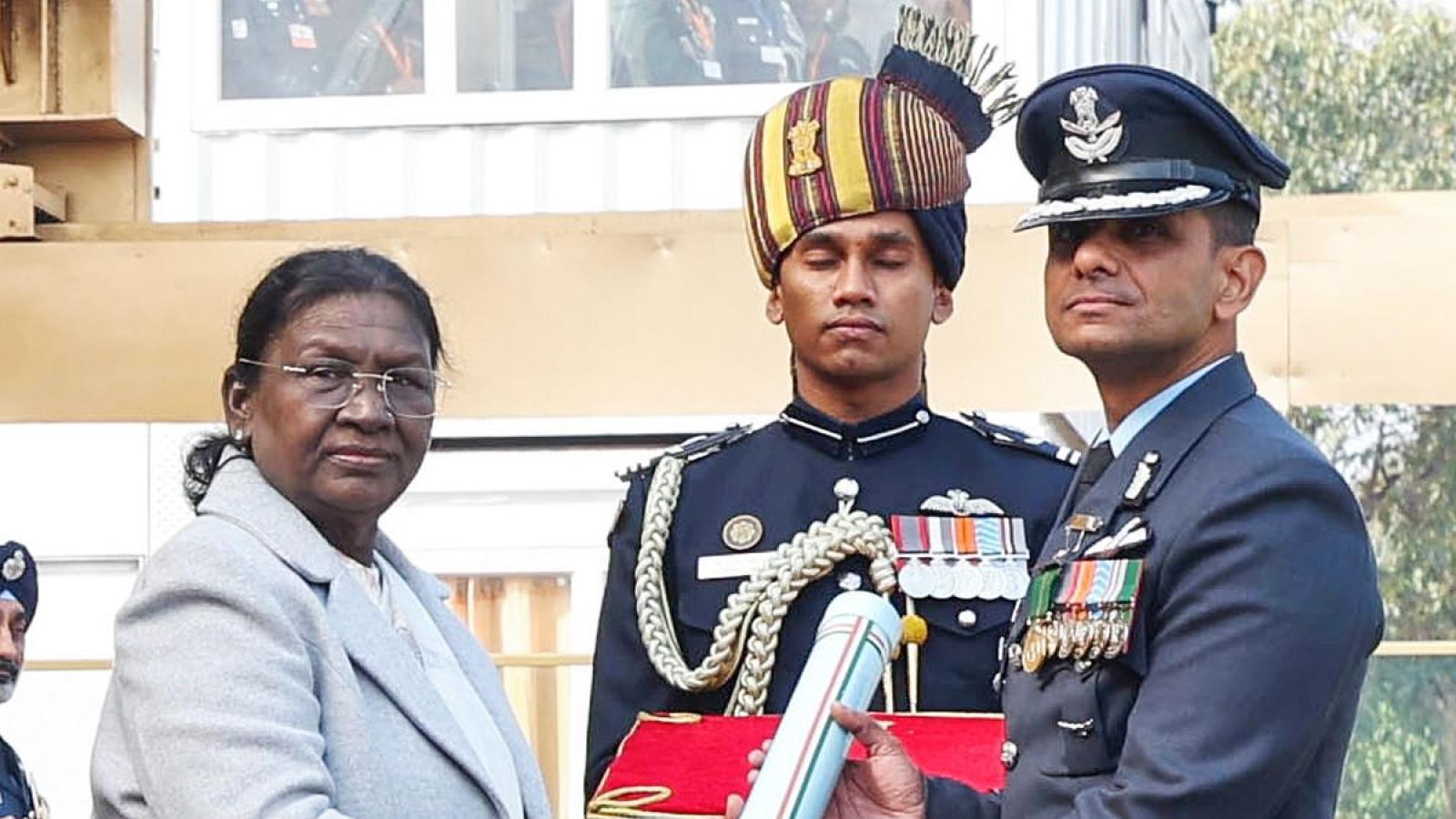
Shubhanshu Shukla Ashoka Chakra Award: India Honours Space Hero with Highest Peacetime Gallantry

Shubhanshu Shukla Ashoka Chakra Award marks a historic milestone in India’s defence and space journey, as Indian Air Force Group Captain and astronaut Shubhanshu Shukla received the nation’s highest peacetime gallantry honour on Republic Day 2026. The prestigious award recognises his extraordinary courage, calm leadership, and decisive actions during Axiom Mission 4 to the International Space Station (ISS), placing space operations among the highest expressions of national service and bravery.
Thank you for reading this post, don't forget to subscribe!This recognition reflects not only a personal achievement but also a powerful symbol of India’s expanding presence in human spaceflight and advanced aerospace operations.
A Defining Moment on Republic Day
Republic Day celebrations in 2026 carried special significance as Shubhanshu Shukla was announced as a recipient of the Ashoka Chakra. Traditionally associated with acts of exceptional courage on land, sea, or air, the award now also acknowledges bravery beyond Earth’s atmosphere.
By honouring Shukla, India has sent a clear message that space missions involve risks comparable to battlefield operations. Astronauts operate in a harsh, unforgiving environment where split-second decisions can determine life or death. The Ashoka Chakra reflects the gravity of responsibility carried by those who venture into space.
Courage Under Extreme Conditions
During Axiom Mission 4, Group Captain Shukla served as the primary mission pilot. His role demanded constant vigilance, technical mastery, and strong leadership. According to official citations, he displayed remarkable composure during critical phases of the mission, particularly when unexpected challenges arose during orbital operations.
His timely decisions ensured the safety of the crew and the successful execution of mission objectives. Operating hundreds of kilometres above Earth, with limited margins for error, Shukla demonstrated the qualities that define the Ashoka Chakra conspicuous bravery, selflessness, and devotion to duty.
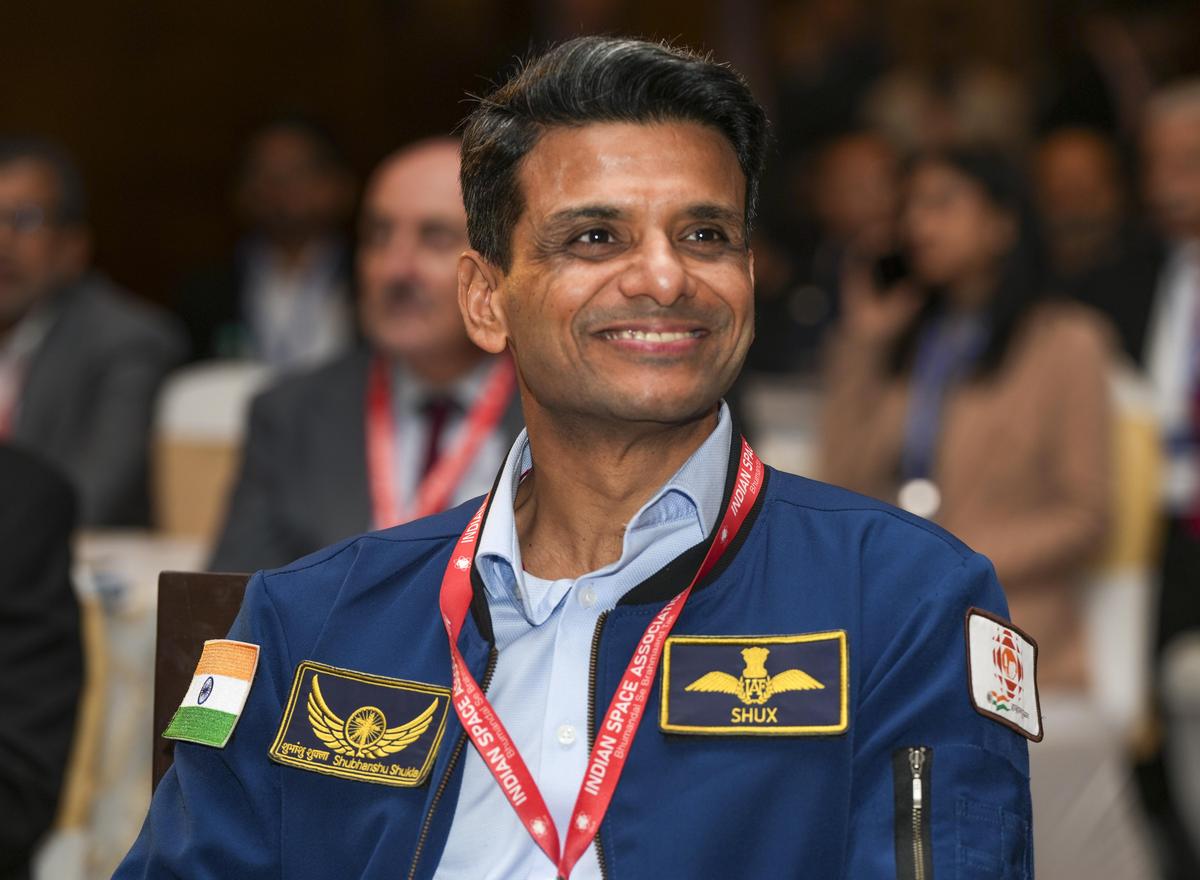
First Indian to Step Inside the ISS
Shubhanshu Shukla’s journey entered the history books when he became the first Indian to set foot aboard the International Space Station. This achievement came more than forty years after Rakesh Sharma became the first Indian in space in 1984.
While Sharma’s mission marked India’s initial human spaceflight presence, Shukla’s mission symbolised India’s return to crewed space exploration in a new global environment shaped by international cooperation and private space companies. His presence aboard the ISS placed India among a select group of nations with astronauts who have lived and worked on the orbital laboratory.
The Axiom Mission 4 Journey
Axiom Mission 4 was a private astronaut mission operated by Axiom Space in partnership with international space agencies. The crew included mission commander Peggy Whitson, Slawosz Uznanski-Wisniewski of Poland, Tibor Kapu of Hungary, and Shubhanshu Shukla representing India.
The mission focused on scientific research, technology demonstrations, and experiments aimed at improving human understanding of long-duration spaceflight. Studies related to human health, materials science, and advanced manufacturing were carried out in microgravity.
Shukla played a central role in piloting tasks, coordination between crew members, and supporting research operations. His professionalism strengthened India’s reputation as a reliable and capable partner in global space missions.
From Fighter Pilot to Astronaut
Shubhanshu Shukla’s journey to space began in the cockpit of Indian Air Force fighter aircraft. As a highly trained test pilot, he gained experience in handling complex machines and operating in high-risk environments.
This background prepared him for the intense training required to become an astronaut. Years of preparation, simulations, and physical conditioning shaped him into a space-ready professional capable of facing unknown challenges.
His story reflects the strong foundation provided by India’s defence training institutions and highlights the growing link between military aviation and space exploration.
Strengthening India’s Space Ambitions
The Shubhanshu Shukla Ashoka Chakra Award arrives at a time when India is rapidly expanding its space ambitions. With plans for indigenous human spaceflight missions, space stations, and deeper international collaboration, the nation is stepping into a new era.
Shukla’s success inspires a new generation of scientists, engineers, pilots, and students who dream of working in space. It also boosts confidence in India’s ability to contribute meaningfully to global space exploration.
National Pride and Public Response
Across the country, the announcement of Shukla’s award has been met with pride and celebration. From defence circles to scientific communities and educational institutions, his achievement is being hailed as a symbol of what dedication and discipline can achieve.
Social media, news platforms, and public forums are filled with messages praising his courage and expressing hope that more Indians will soon follow in his footsteps.

A Lasting Symbol of Bravery
The Shubhanshu Shukla Ashoka Chakra Award represents more than a personal honour. It stands as a reminder that bravery today extends beyond traditional battlefields. Space has become a new frontier where courage, skill, and sacrifice are equally vital.
By recognising Shubhanshu Shukla’s extraordinary service, India has not only honoured a hero but also acknowledged the changing nature of national defence and exploration in the 21st century. His story will continue to inspire generations and remain a proud chapter in India’s space and defence history.