
Wayanad Mountain Ecology Congress 2026

Mountain Ecology Congress is set to bring researchers, environmentalists, policymakers, Indigenous communities and mountain experts together in Wayanad, Kerala, for India’s first Mountain Ecology Congress. The international event, titled Processual Mountains 2026, will be held from December 10 to 12, 2026, at the Kerala Veterinary and Animal Sciences University campus in Pookode. The three-day congress aims to discuss mountain ecosystems, biodiversity, climate change, traditional cultures, livelihoods and the future of mountain communities.
India’s First Mountain Ecology Congress
The Mountain Ecology Congress is an important initiative to bring attention to the environmental and social challenges faced by mountain regions. Mountains are important for biodiversity, water resources, forests, agriculture and the lives of millions of people. However, changing climate conditions, deforestation, land-use changes, natural disasters and growing human activities are creating new challenges for mountain ecosystems.

The congress will provide a platform for people from different backgrounds to exchange ideas, share research and discuss practical solutions for protecting mountain environments. It will also focus on the relationship between local communities and nature, including their traditional knowledge, cultural practices and livelihoods.
The event is jointly organised by the Hume Centre for Ecology and Wildlife Biology and Kerala Veterinary and Animal Sciences University. Around 500 delegates from mountain regions in India and other countries are expected to participate.
Eight Thematic Sessions on Mountain Regions
The congress will organise eight thematic sessions covering different aspects of mountain life and environmental changes. Topics will include mountain evolution, community rights, ecosystems, biodiversity, culture, livelihoods, climate resilience and governance.
These discussions will help participants understand how mountain regions are changing and how conservation efforts can be improved. Mountain communities often depend directly on forests, rivers, farming, livestock and other natural resources. Protecting these resources is important for both environmental sustainability and local economic development.
Researchers and policymakers will also discuss how mountain governance can be improved to address the needs of local communities while protecting fragile ecosystems.
Unique Programme and Community Activities
The three-day congress will feature different activities that combine research, traditional knowledge, cultural experiences and community participation.
- Dzumsa: Academic discussions and research sessions focusing on mountain-related issues.
- Morung: Experiential learning activities that highlight community knowledge and traditional practices.
- Haat: A community exhibition and marketplace showcasing local products, skills and livelihoods.
- Gavari: Cultural evenings featuring traditional performances and cultural experiences.
- Bayi: Mountain and bird trails that allow participants to explore mountain landscapes and wildlife.
These activities are designed to make the congress more than just an academic event. They will encourage participants to learn directly from local communities, explore mountain environments and understand the connection between culture and ecology.
Why Wayanad Was Selected
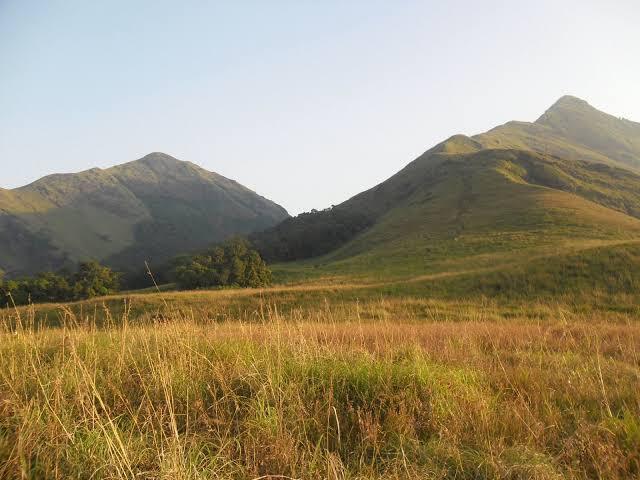
Wayanad is located in the Western Ghats of Kerala, a region known for its rich biodiversity, forests, wildlife and unique mountain landscapes. The Western Ghats are among the most ecologically important regions in India and are home to many rare and endemic plant and animal species.
The region has also experienced serious environmental challenges, including floods, landslides and changes in land use. The devastating floods and landslides of 2018 in Kerala highlighted the importance of understanding mountain ecosystems, rainfall patterns, slope stability and human activities in sensitive landscapes.
Hosting the congress in Wayanad will provide an opportunity to discuss mountain ecology in the context of real environmental challenges faced by the Western Ghats and other mountain regions.
Western Ghats and Biodiversity Conservation
The Western Ghats–Sri Lanka region is recognised as one of the world’s 36 biodiversity hotspots. Biodiversity hotspots are areas that contain a large number of unique species but have also experienced significant habitat loss.
To qualify as a biodiversity hotspot, a region must have at least 1,500 endemic vascular plant species and must have lost at least 70 per cent of its original natural vegetation.
The Western Ghats are important for forests, wildlife, rivers and rainfall patterns. Protecting this region is essential for maintaining ecological balance, conserving endangered species and supporting communities that depend on natural resources.
International Mountain Day During the Congress
International Mountain Day is observed every year on December 11. In 2026, the observance will take place during the Mountain Ecology Congress in Wayanad.
The timing will provide an opportunity to highlight the importance of mountain ecosystems, sustainable development, climate resilience and the protection of mountain communities. Mountains are particularly vulnerable to climate change, including rising temperatures, changing rainfall, landslides and biodiversity loss.
The congress will encourage discussions on how communities, governments, scientists and conservation organisations can work together to protect mountain environments and build a sustainable future.
Importance of Mountain Ecology Congress 2026
The Mountain Ecology Congress 2026 is expected to strengthen discussions on mountain conservation in India and internationally. By bringing together experts, local communities and policymakers, the event will help share knowledge about ecological changes, traditional practices and sustainable livelihoods.
The congress will also highlight the importance of community participation in conservation. Mountain regions are not only natural landscapes but also homes to people with unique cultures, traditions and knowledge systems. Protecting mountains requires balancing environmental conservation with the needs and rights of local communities.
Through research, cultural activities, community exhibitions and nature trails, Processual Mountains 2026 aims to create a better understanding of mountain ecosystems and encourage greater cooperation for their protection.