



Japan AI Mount Fuji: AI Video Shows Potential Eruption and Raises Awareness

Japan AI Mount Fuji has become a trending topic after the release of an AI-generated video simulating a potential eruption of the country’s iconic volcano. The video portrays massive ash clouds covering Tokyo, disrupting transport and communication, and triggering power outages. It also advises residents to stock essential supplies and use protective gear, emphasizing safety in the event of an eruption. The release coincided with Volcano Disaster Prevention Day, highlighting Japan’s commitment to raising public awareness about volcanic hazards despite no immediate threat.
Mount Fuji’s Volcanic Status
Mount Fuji is classified as an active volcano, with its last eruption occurring in 1707. Although the volcano remains quiet today, it retains the capacity to erupt in the future. Volcanologists categorize volcanoes into three types:

- Active volcanoes, which have a magma supply beneath the surface and may erupt anytime.
- Dormant volcanoes, which have not erupted for centuries but can potentially awaken.
- Extinct volcanoes, which no longer have an active magma connection.
Authorities in Japan use events like the AI video release to remind residents of preparedness measures, demonstrating how historical awareness and modern technology can merge to improve disaster readiness.
Purpose of Japan AI Mount Fuji Video Release
The AI-generated video was released on August 26, marking the anniversary of Japan’s first volcano observatory, established in 1911. Its primary aim is educational: to illustrate the potential impact of a volcanic eruption and teach the public safety protocols.
While some experts argue that the video could be perceived as alarmist, potentially causing unnecessary panic or affecting tourism, others highlight its value in proactive risk communication. In a nation still mindful of the 2011 Tohoku earthquake and tsunami, precautionary measures and innovative awareness campaigns are considered essential.
Japan AI Mount Fuji Explains Volcanic Eruption Mechanics
Volcanic eruptions occur when magma rises from chambers beneath the Earth’s crust, eventually escaping through openings on the surface. Once erupted, magma becomes lava and can destroy settlements in its path. Volcanic activity also releases ash, rocks, and steam, which can travel extensive distances.
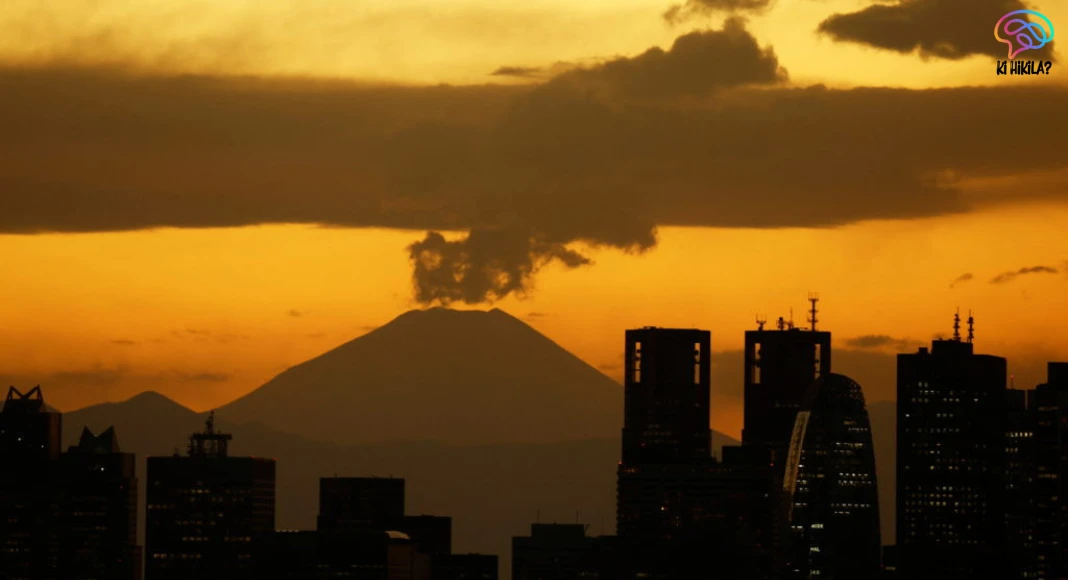
Ash clouds, unlike lava, are difficult to clear and can disrupt daily life, as depicted in the AI simulation covering Tokyo. Steam-blast eruptions, a sudden type of volcanic activity, may occur with little warning, making preparedness and education critical for at-risk populations.
Predicting Volcanic Eruptions
Despite advances in technology, accurately predicting volcanic eruptions remains a challenge. Often, seismic activity precedes an eruption, as magma movement triggers earthquakes. Other potential warning signs include:
- Ground deformation
- Heat anomalies
- Changes in groundwater chemistry
However, eruptions can sometimes occur without clear precursors, and volcanoes may display warning signs for years without actually erupting. This unpredictability underscores the importance of continuous monitoring and public education to minimize risk.
Challenges Highlighted by Japan AI Mount Fuji Monitoring
Monitoring volcanoes is inherently complex. Many volcanoes erupt infrequently, which limits the available data for precise analysis. Each eruption is unique, and historical patterns may not reliably predict future events. For instance, Italy’s Campi Flegrei has experienced long periods of unrest without erupting, demonstrating the difficulty of anticipating volcanic activity.
Continuous monitoring, advanced predictive tools, and public education campaigns—such as the Japan AI Mount Fuji video—remain crucial for improving community resilience and reducing disaster-related risks. By simulating potential scenarios, authorities hope to instill a culture of preparedness among residents, ensuring that they are better equipped to respond if an eruption ever occurs.
Public Reaction and Awareness
The AI video has garnered attention on social media and news platforms. While some viewers expressed concern over its realistic portrayal, many appreciated its educational value. The video highlights the importance of preparedness measures, including having emergency food supplies, protective gear, and clear evacuation plans.
Japan’s proactive approach using AI technology represents a modern evolution in disaster awareness campaigns. By combining historical knowledge with cutting-edge simulations, authorities aim to foster a society that is well-informed and ready to handle natural hazards, including volcanic eruptions.
Japan’s Ongoing Commitment to Volcanic Safety
The release of the AI-generated Mount Fuji eruption video reflects Japan’s ongoing commitment to disaster risk reduction. Through innovative methods such as AI simulations, public education, and regular drills, authorities are continuously working to reduce vulnerabilities and enhance safety for communities living near active volcanoes.
In essence, Japan AI Mount Fuji demonstrates how technology can serve as a powerful tool in bridging the gap between scientific knowledge and public understanding. By visualizing potential hazards realistically, residents gain insights into the steps needed to protect themselves, while authorities can communicate risk effectively without causing unnecessary panic.