


Japan Arms Export Ban Ends as Tokyo Shifts Defence Policy

Japan Arms Export Ban Ends with a major change in the country’s defence policy. Sanae Takaichi and her Cabinet have approved the removal of long-standing restrictions on exporting lethal weapons. This marks a big shift from Japan’s pacifist approach followed since World War II. The decision allows Japan to sell fighter jets, missiles and warships to other countries.
Thank you for reading this post, don't forget to subscribe!Japan Arms Export Ban Ends: What Has Changed?
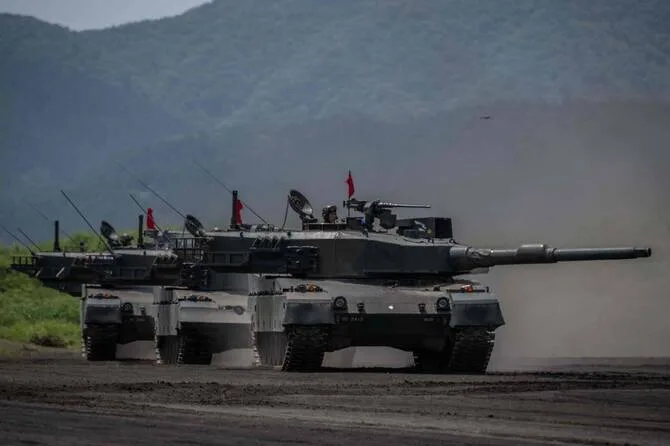
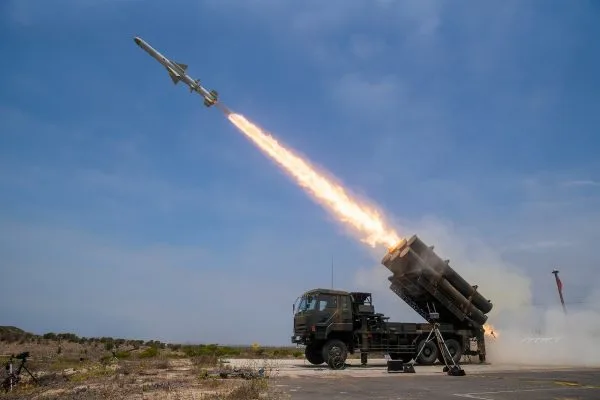
For many years, Japan followed strict rules under its pacifist constitution. It only allowed the export of non-lethal items like rescue equipment and surveillance tools. Now, Japan Arms Export Ban Ends policy allows the export of advanced defence equipment such as fighter aircraft, missiles and destroyers. This is a major step beyond earlier exports like protective gear and civilian-use vehicles.
Japan Arms Export Ban Ends: Why This Decision?
Japan says the security situation in the region is changing quickly. Concerns related to China, North Korea and tensions in the Indo-Pacific have pushed the country to act. Japan Arms Export Ban Ends decision is also aimed at strengthening ties with allies like Australia, United States, United Kingdom and Italy. It will also help boost Japan’s defence industry and reduce reliance on imports.
Japan Arms Export Ban Ends: How the System Will Work
Under the new system, Japan will initially export weapons only to 17 trusted partner countries that have defence agreements with it. Each deal will need approval from the National Security Council. The government will also monitor how these weapons are used. Even after Japan Arms Export Ban Ends, the country plans to avoid supplying weapons to nations currently involved in active wars.
Japan Arms Export Ban Ends: Global Reactions
The decision has received mixed responses worldwide. China has criticised the move, while partners like Australia have welcomed it as a step toward stronger cooperation. Some people in Japan worry that this change may weaken its peaceful image. Others believe it is a necessary step for modern security needs and shows Japan becoming more active in global defence matters.