



Meghalaya New Snake Species Discovered in Garo Hills

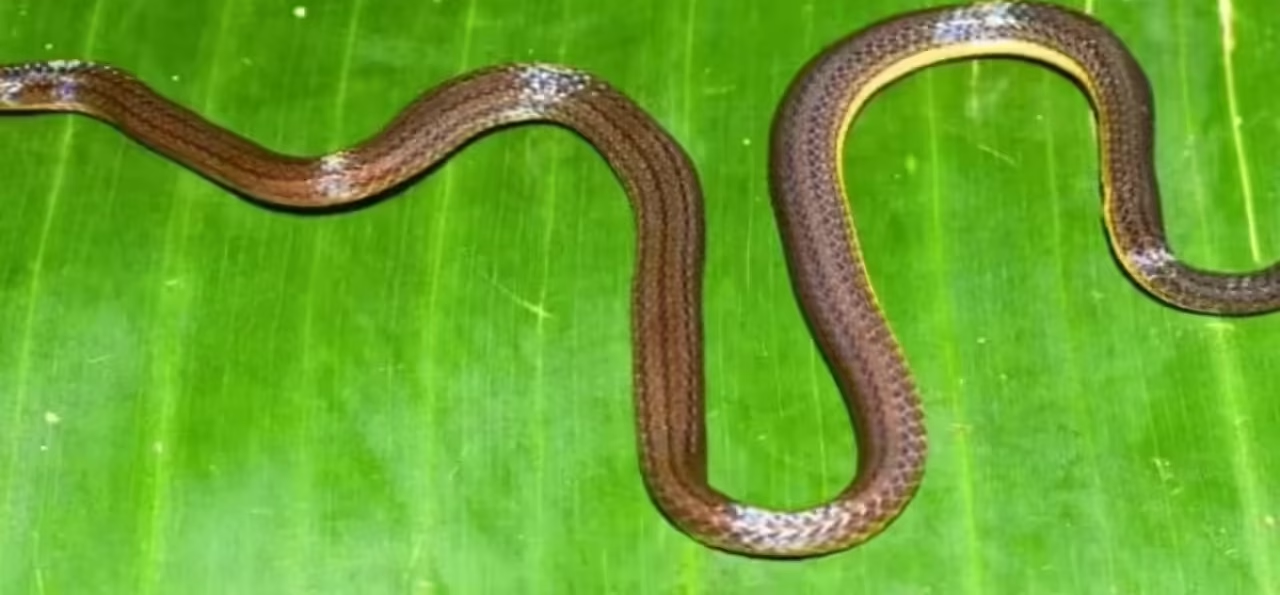
A new discovery has added excitement to India’s wildlife research. The Meghalaya New Snake Species, named Calamaria garoensis, has been found in the Garo Hills region of Meghalaya. This finding highlights the rich biodiversity of northeastern India and has gained attention after Conrad K. Sangma praised the scientists involved.
Thank you for reading this post, don't forget to subscribe!What is Calamaria garoensis?
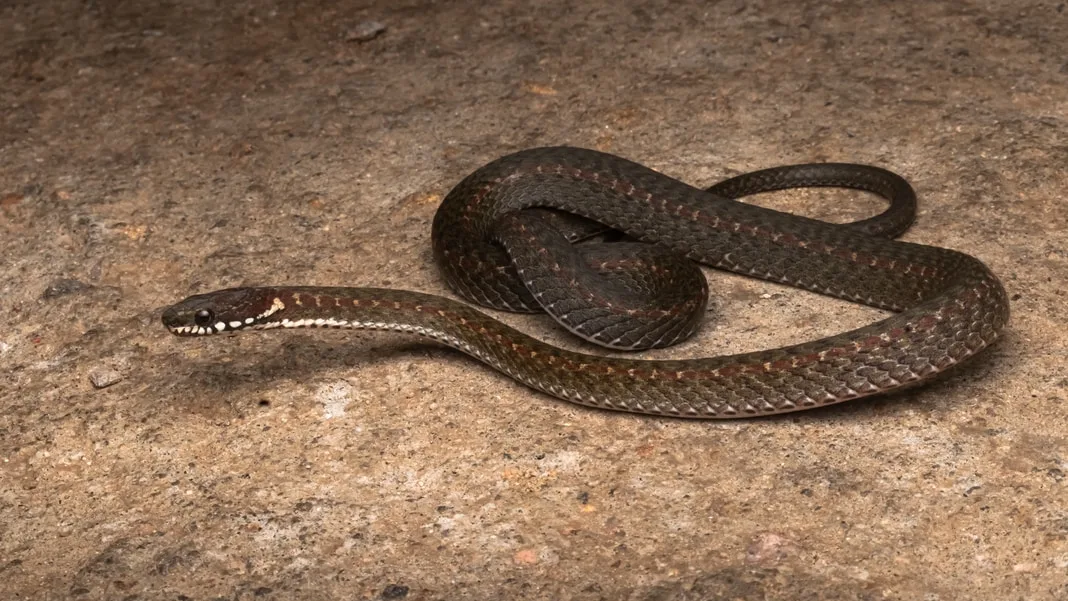
Calamaria garoensis belongs to the Calamaria genus, commonly known as reed snakes. These snakes are small, secretive, and usually live underground or under leaf litter. Because of their hidden lifestyle, they are difficult to find, and many species are still unknown. The new species was discovered during field surveys in the forests of the Garo Hills and later confirmed through scientific study.
Who discovered the species?
The Meghalaya New Snake Species was discovered through teamwork between several institutions. These include Help Earth, Cotton University, Assam Don Bosco University, Mizoram University, Zoological Survey of India, and Indonesia’s National Research and Innovation Agency. Their combined efforts in fieldwork and scientific research made this discovery possible.
Why Garo Hills is important
The Garo Hills is part of a biodiversity-rich region with dense forests and unique wildlife. Meghalaya lies within the Indo-Burma biodiversity hotspot, known for its wide variety of plants and animals. Many areas here are still not fully explored, which means more species could be discovered in the future.
Conservation and government response
The discovery of the Meghalaya New Snake Species shows how important it is to protect forests and wildlife. Conrad K. Sangma appreciated the researchers and said that such findings reflect the natural richness of the state. He also stressed the need for continued research and conservation to protect these ecosystems from environmental damage.