


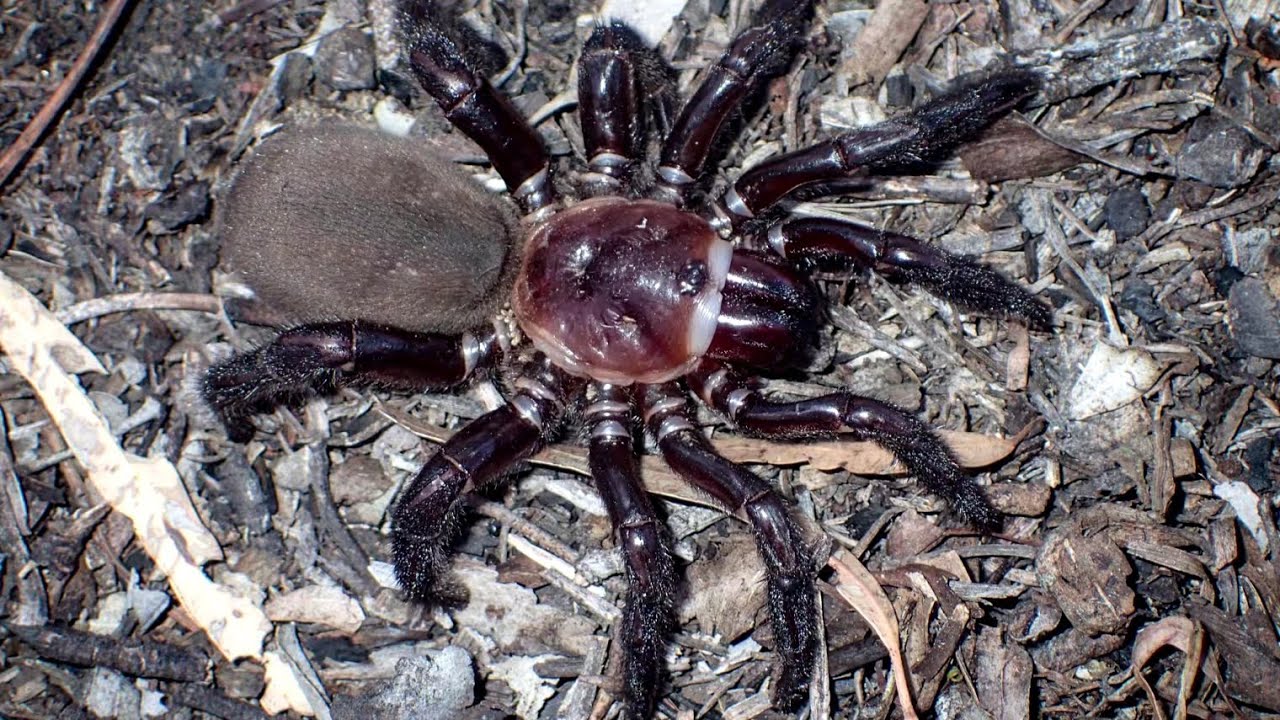
Kolhapur Trapdoor Spider Discovery Reveals New Species In Maharashtra Grasslands

Kolhapur Trapdoor Spider Discovery has brought fresh attention to the rich biodiversity of Maharashtra’s grasslands. A new species of trapdoor spider has been discovered in the grasslands of Kolhapur district, showing how much of India’s wildlife is still unexplored. At the same time, scientists have warned that the species is already at risk because of habitat loss and human activities.
Thank you for reading this post, don't forget to subscribe!The discovery highlights both the ecological value of native grasslands and the urgent need to protect them from rapid urban growth and environmental damage.
Discovery And Scientific Classification
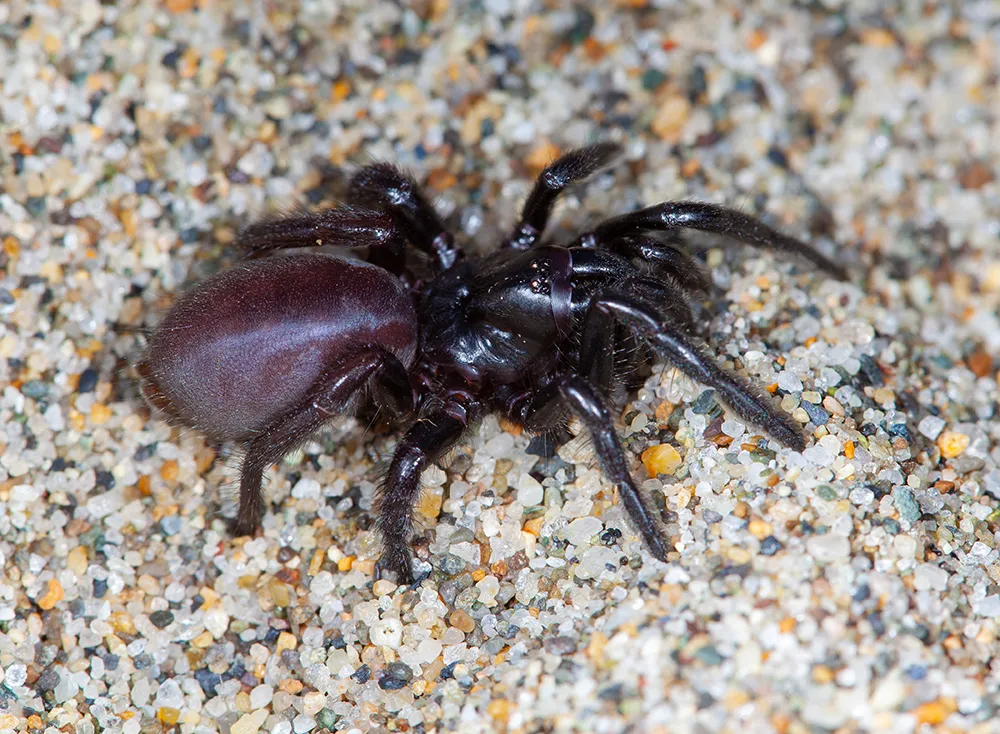
The newly identified spider has been named Titanidiops kolhapurensis, after Kolhapur, the place where it was found. The findings were published on February 4 in the UK based journal Journal of Natural History. The research was carried out by a joint team from the Thackeray Wildlife Foundation and Shivaji University, Kolhapur.
The discovery forms an important part of doctoral research conducted by Satpal Gangalmale under the guidance of entomologist Sunil Gaikwad.
Researchers classified the spider under the genus Titanidiops after carefully studying its physical features. The classification was based on its unique tooth structures and the arrangement of its eight eyes. These scientific features clearly separated it from other known species in the same group.
Trapdoor spiders belong to one of the oldest groups of spiders in the world. They are known for their special hunting style and underground lifestyle.
Unique Traits Of The Dark Spider Of Kolhapur
In Marathi, trapdoor spiders are locally known as “darkari koli.” This name refers to their special behavior of building hidden doors over their burrows. The newly discovered species also shows this fascinating trait.
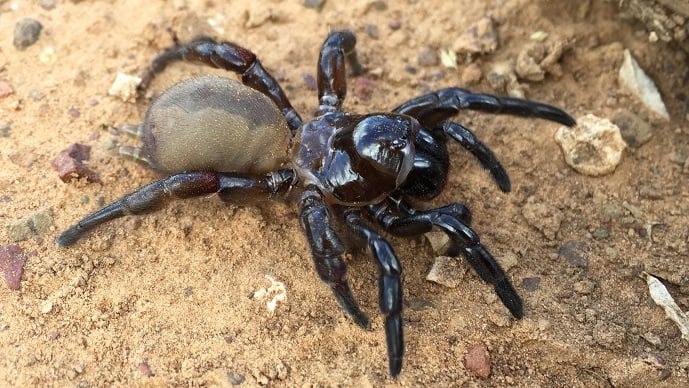
The spider digs vertical or slightly slanted burrows in grassy meadows. At the entrance of the burrow, it builds a camouflaged door made from soil, silk and plant material. This door is hinged with silk and blends perfectly with the surroundings. It is so well hidden that it becomes almost impossible to spot with the naked eye.
When prey such as insects passes near the entrance, the spider quickly opens the trapdoor, captures the prey and pulls it inside. The door then closes again, keeping the spider safe from predators and harsh weather.
Scientists observed that this spider prefers natural grasslands with loose soil. Its behavior and structure show how well it has adapted to its environment over time.
Restricted Habitat And Limited Distribution
One of the most important findings of the Kolhapur Trapdoor Spider Discovery is the species’ limited distribution. So far, it has been recorded only in a few specific locations in and around Kolhapur.
These include the Shivaji University campus, Shenda Park, Kolhapur Chitranagari area and Puikhadi hill. Researchers found healthy populations mainly in native forests and undisturbed natural grasslands.
However, the spider was completely absent in areas where exotic tree plantations dominate. In particular, scientists noticed that the species does not survive in regions covered by Gliricidia sepium, a fast growing non native tree species commonly known as Undirmari. The dense growth of such trees changes the soil condition and blocks sunlight, making it unsuitable for grassland species like trapdoor spiders.
This clear difference in presence shows how sensitive the species is to environmental changes.
Ecological Importance Of Grasslands
Grasslands are often overlooked when compared to forests, but they are extremely important ecosystems. They support a wide variety of insects, birds, reptiles and small mammals. The Kolhapur Trapdoor Spider Discovery highlights how grasslands can hold rare and unique species that may not survive elsewhere.
Native grasslands provide the right soil texture and open environment that trapdoor spiders need. When these grasslands are replaced by concrete structures, roads or exotic plantations, the natural balance gets disturbed.
Experts say that grasslands in India are often wrongly seen as wastelands. As a result, they are frequently converted for agriculture, housing projects or tree plantations. This has caused the decline of many native species that depend only on grassland habitats.
Growing Conservation Concerns
Although the spider has just been discovered, it is already facing serious threats. Rapid urban expansion in Kolhapur district has reduced the size of natural grasslands. Construction activities, road development and land conversion for farming are shrinking the spider’s habitat.
The spread of non native trees like Gliricidia sepium is another major concern. These trees grow quickly and take over open grassland areas. While plantation drives are often carried out in the name of environmental protection, they can sometimes harm native biodiversity if non native species are used.
Researchers warn that if habitat destruction continues at the current rate, Titanidiops kolhapurensis could face local extinction. Since the spider has been found only in a few pockets, even small changes in land use could have a big impact on its survival.
Need For Immediate Action
The Kolhapur Trapdoor Spider Discovery serves as a reminder that many unknown species still live in India’s ecosystems. At the same time, it shows how fragile these ecosystems are.
Scientists and conservationists are calling for better protection of native grasslands around Kolhapur. They stress the importance of careful land planning, control of invasive species and awareness among local communities.
Protecting grasslands will not only save this newly discovered spider but also many other plants and animals that share the same habitat. The discovery has added one more species to India’s biodiversity list, but its future now depends on timely conservation steps and responsible environmental management.
The story of Titanidiops kolhapurensis is both exciting and concerning. It celebrates scientific discovery while also warning about the urgent need to protect the natural spaces that still remain.