


Model Border Village in Ladakh

Model Border Village is making headlines across India as Chumur village in eastern Ladakh becomes the country’s first model border village. The project is being developed under the Government of India’s Vibrant Villages Programme, which aims to improve the quality of life in remote border regions while creating new opportunities for local residents.
Located close to the India-China border, Chumur is a small village that faces extreme weather conditions throughout the year. Despite its challenges, the village is now being transformed into a modern settlement with improved housing, better infrastructure, tourism facilities, and stronger livelihood opportunities.

Chumur Village and Its Strategic Importance
Chumur is situated in eastern Ladakh at an altitude of nearly 16,700 feet above sea level. The village has only 24 households and a population of around 91 people. Most residents depend on animal husbandry and Pashmina wool production for their income.
The village is located in a sensitive border region and plays an important role in maintaining a civilian presence in remote Himalayan areas. Due to its location, development in Chumur is expected to improve both local living standards and regional connectivity.
Key Details About Chumur Village
| Feature | Details |
|---|---|
| Location | Eastern Ladakh |
| Altitude | 16,700 feet |
| Population | 91 people |
| Households | 24 |
| Main Occupation | Pashmina rearing and animal husbandry |
| Programme | Vibrant Villages Programme |
What is the Vibrant Villages Programme?
The Vibrant Villages Programme is a central government initiative launched to strengthen villages located near India’s international borders. The scheme focuses on improving infrastructure, employment opportunities, public services, and overall quality of life in remote areas.
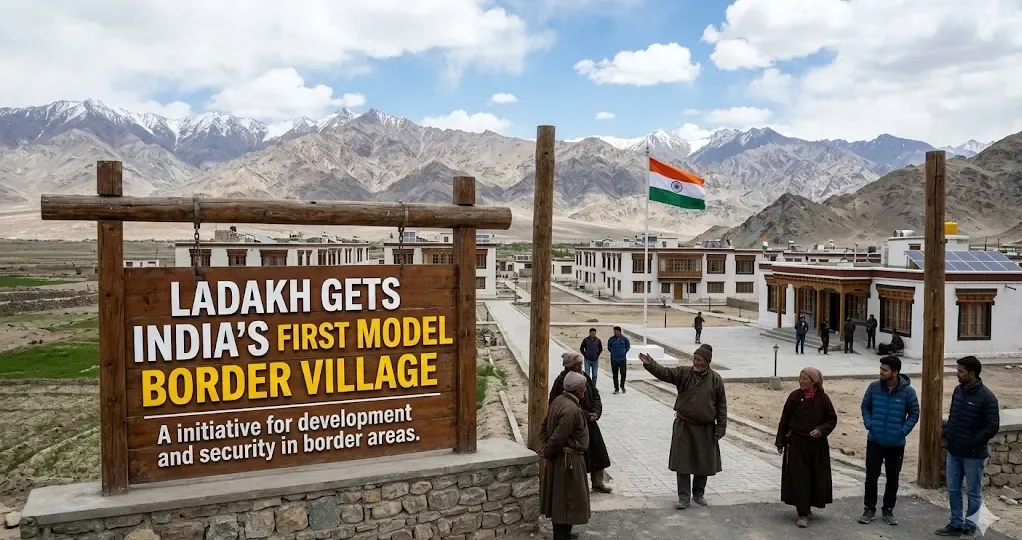
The first phase of the programme includes the development of ten model border villages across the country. Chumur has become the first village to receive this special status.
The programme aims to ensure that border villages remain populated, economically active, and connected to modern services.
Modern Housing Designed for Harsh Weather
One of the most important features of the project is the construction of climate-friendly homes. Winters in Chumur can see temperatures falling to minus 35 degrees Celsius, making survival difficult.
To address this challenge, the village will receive specially designed passive solar houses. These homes will capture and store solar heat, helping residents stay warm during the long winter season.
Each housing unit will include:
- Attached bathroom
- Additional room for tourists or homestays
- Kitchen garden space
- Livestock shelter
- Fodder storage area
These facilities are expected to improve living conditions while creating new income opportunities through tourism.
Better Infrastructure and Public Services
The project includes several modern facilities that are often unavailable in remote mountain villages.
Planned Facilities
| Infrastructure | Purpose |
| Water Supply System | Safe drinking water |
| Sanitation Facilities | Improved hygiene |
| Renewable Energy | Sustainable electricity |
| Digital Connectivity | Internet and communication |
| School | Better education access |
| Primary Health Centre | Basic healthcare services |
| Community Hall | Social and cultural activities |
| Parks | Recreation and public spaces |
| Community Café | Local business opportunities |
| Tourist Interpretation Centre | Tourism promotion |
These developments are expected to improve daily life and encourage young people to remain in the village instead of migrating to cities.
Focus on Agriculture and Food Security
Growing vegetables at such a high altitude is difficult because of extreme weather conditions. To solve this problem, a commercial greenhouse will be established in the village.
The greenhouse is being supported by the Defence Institute of High-Altitude Research. It will help residents grow vegetables throughout the year, reducing dependence on supplies transported from distant towns.
This initiative will improve food availability, create local employment, and support sustainable living in the region.
Tourism to Create New Opportunities
Tourism is expected to become a major source of income for Chumur residents. The village is located near the popular Korzok-Hanle tourism circuit, which attracts visitors interested in Ladakh’s natural beauty, wildlife, and unique culture.
The new tourism facilities will encourage travelers to spend more time in the area. Homestays, local handicrafts, cultural experiences, and eco-tourism activities are likely to generate additional income for local families.
Tourism development is also expected to support small businesses such as cafés, guide services, and transport facilities.
Strengthening the Pashmina Economy
Pashmina production remains one of the most important economic activities in Ladakh. The fine wool comes from the Changthangi goat, which is specially adapted to the cold climate of the Himalayan region.
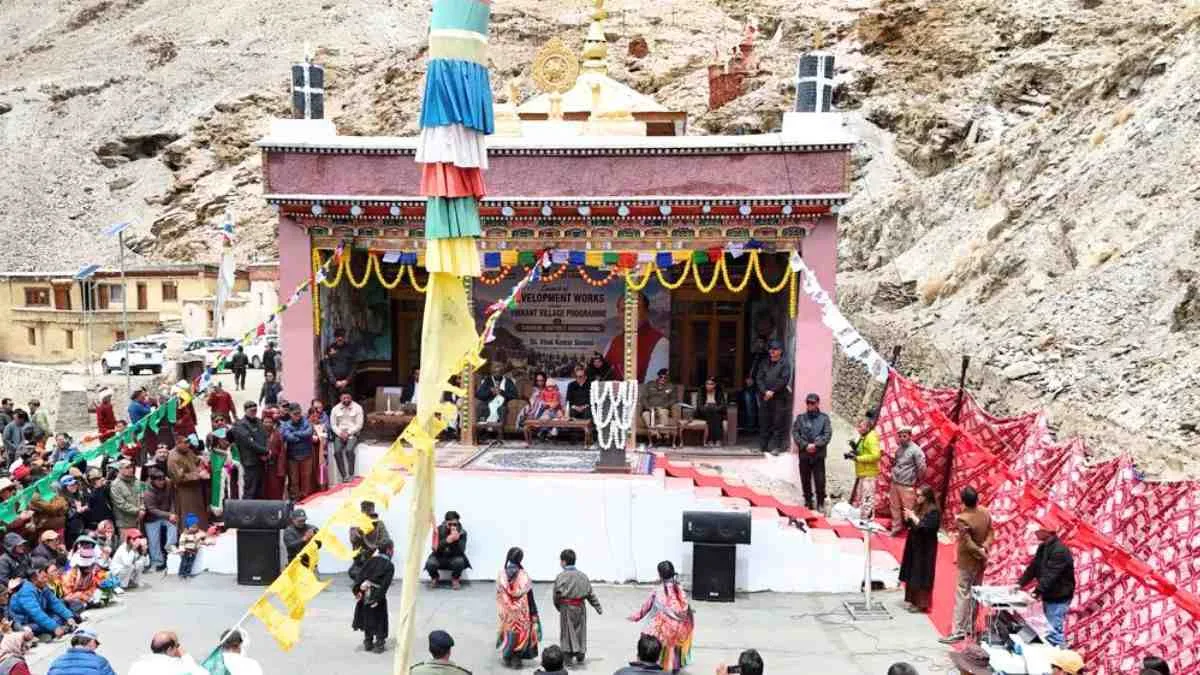
The Model Border Village project includes support for:
- Pashmina production
- Wool processing
- Local handicrafts
- Animal husbandry activities
These efforts will help increase income for local families while preserving traditional livelihoods.
Supporting Border Communities Through Development
In recent years, border infrastructure has become an important national priority. Roads, digital networks, healthcare services, and housing projects are being expanded in remote regions across the Himalayas.
The development of Chumur reflects a broader effort to ensure that people living in border villages have access to modern facilities similar to those available in urban areas.
By combining infrastructure development, tourism, renewable energy, agriculture, and traditional livelihoods, the project aims to create a sustainable model for other border settlements in India.
The housing units in Chumur are expected to be completed by September 2026, depending on weather conditions. As work progresses, the village is likely to become an example of how remote border communities can benefit from modern development while preserving their unique culture and way of life.