


MSP Procurement Pulses Boost

MSP Procurement is gaining attention as the Union Agriculture Ministry has approved large-scale procurement of pulses and oilseeds under the Price Support Scheme. This move was announced on 18 and 19 June 2026 and aims to support farmers across key agricultural states.
Thank you for reading this post, don't forget to subscribe!The decision covers crops like moong, urad, and groundnut for the Summer 2026 season and the Rabi Marketing Season 2025–26. This step is important as it ensures that farmers receive fair prices even when market rates fall.
Understanding MSP and Price Support Scheme
The Minimum Support Price is a price fixed by the government to protect farmers from sudden drops in market prices. It acts as a safety net, ensuring that farmers are not forced to sell their produce at low rates.
The Price Support Scheme works alongside MSP. Under this scheme, the government directly procures crops when market prices go below the MSP level. This helps maintain price stability and supports agricultural income.
Together, these systems play a key role in strengthening rural economies and ensuring food security.
States Covered Under the New Approval
The procurement approval includes major agricultural states like Uttar Pradesh, Gujarat, Haryana, and Tamil Nadu.
In Uttar Pradesh, large quantities of moong, urad, and groundnut have been approved. The total value of procurement in the state crosses ₹1,490 crore, showing the scale of this initiative.
Gujarat has received approval mainly for moong procurement, while Haryana’s allocation is smaller but still significant for local farmers. Tamil Nadu has also seen an increase in its procurement limit, especially for moong.
This wide coverage highlights the government’s focus on supporting farmers across different regions.
MSP Procurement Pulses Boost highlights how the government has expanded procurement of pulses and oilseeds under the Price Support Scheme to support farmers and stabilize prices. With increased focus on crops like moong, urad, and groundnut across states such as Uttar Pradesh and Gujarat, this move strengthens agricultural growth, ensures fair income for farmers, and supports India’s push toward food security and self-reliance.
Focus on Pulses and Oilseeds
The procurement plan includes both pulses and oilseeds. Moong and urad are important pulse crops that are widely consumed across India. Groundnut, on the other hand, is a key oilseed used in cooking oil production.
Pulses are an essential part of the Indian diet and are a major source of protein. Oilseeds are equally important for edible oil production and reducing import dependency.
By focusing on these crops, the government is addressing both nutritional and economic needs.
Seasonal Context of Procurement
The approved procurement covers two different agricultural cycles. The Summer 2026 season, often linked to the short cropping period, plays an important role in supplementing farm income.
The Rabi Marketing Season 2025–26 is connected to crops harvested during the winter cycle. Procurement during this time ensures that farmers get fair prices after harvest.
These seasonal systems are part of India’s structured agricultural framework, helping manage supply and demand throughout the year.
Impact on Farmers and Rural Economy
The expansion of MSP Procurement is expected to provide direct benefits to farmers. It reduces the risk of price fluctuations and ensures stable income.
Farmers often face challenges when market prices drop due to oversupply or global trends. With government procurement, they have the option to sell their produce at a guaranteed price.
This also helps boost confidence among farmers and encourages them to continue cultivation.
Role in Market Stability
One of the key goals of MSP Procurement is to stabilize agricultural markets. When prices fall, government buying helps prevent a sharp decline.
This not only protects farmers but also ensures a steady supply of essential commodities. It creates a balance between production and pricing.
Such measures are especially important in times of changing weather patterns and global uncertainties affecting agriculture.
Link to Current Agricultural Trends
In recent years, there has been growing attention on self-reliance in food production and reducing import dependency. Increasing domestic production of pulses and oilseeds is part of this effort.
Government initiatives like MSP Procurement support this goal by encouraging farmers to grow these crops. It also aligns with broader efforts to strengthen India’s agricultural sector.
With rising demand for protein-rich foods and cooking oils, these steps are becoming even more relevant.
Strengthening Supply Chains
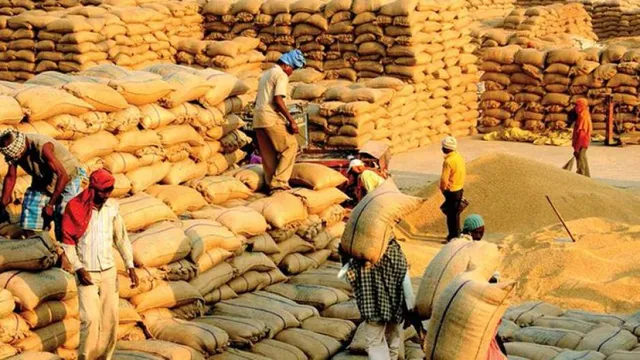
The procurement process also supports better supply chain management. Once crops are purchased, they are stored and distributed through government systems.
This ensures availability in public distribution and other welfare programs. It also helps manage price fluctuations in the open market.
Improved storage and logistics are key parts of making this system effective.
Growing Importance of Policy Support
Policies like MSP and the Price Support Scheme are becoming more important as agriculture faces new challenges. Climate change, market volatility, and changing consumption patterns are all affecting farmers.
Government support helps address these issues and provides stability. It also encourages investment in agriculture and related sectors.
The latest approval reflects a continued focus on strengthening the agricultural ecosystem.