NASA Plasma Engine Mars Travel Test Reaches New Milestone

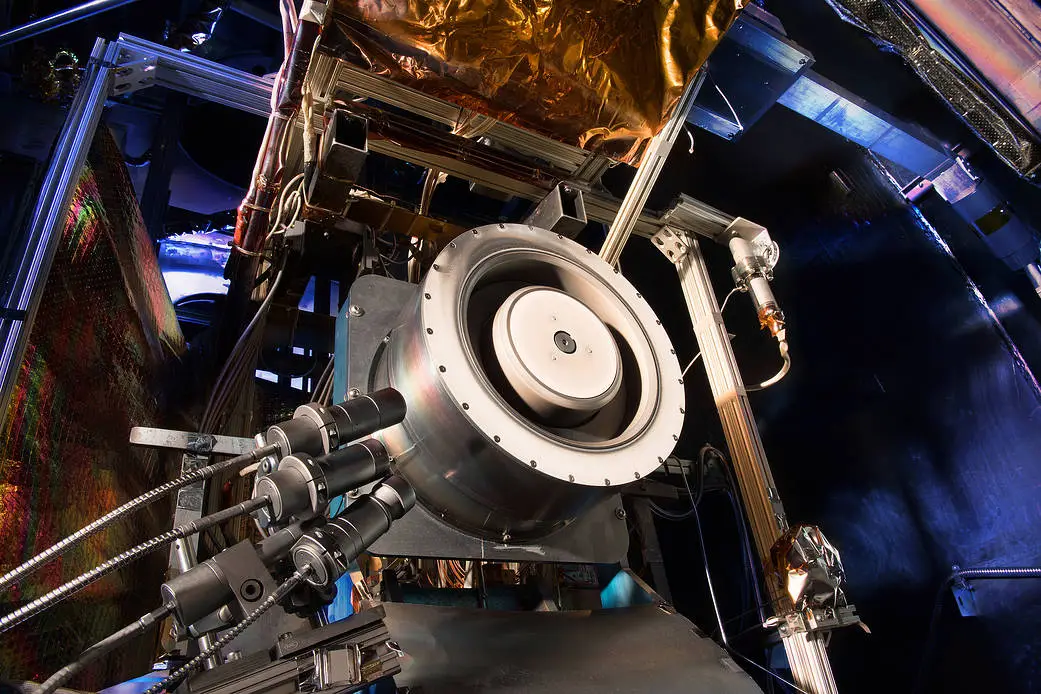
NASA has achieved a major breakthrough in space technology with its new plasma engine test. The focus keyword NASA Plasma Engine Mars Travel became important after NASA’s Jet Propulsion Laboratory in Southern California successfully tested a powerful lithium-fed magnetoplasmadynamic (MPD) thruster on 24 February 2026.
Thank you for reading this post, don't forget to subscribe!The prototype reached 120 kilowatts of power, making it the highest-power electric propulsion system ever tested in the United States.
What is a Magnetoplasmadynamic Thruster?
A magnetoplasmadynamic thruster is an advanced electric propulsion engine. It uses electromagnetic fields to push ionised fuel at very high speed. In this NASA test, lithium metal vapour was used as the fuel source.
During operation, the engine created a bright plasma plume while generating strong thrust for deep-space missions. Scientists believe this technology could help future astronauts travel faster in space.
High Power and Extreme Heat
The tested engine produced 120 kilowatts of power. This is around 25 times more powerful than the electric thrusters used in NASA’s Psyche mission.
The test also showed the engine’s ability to survive extreme heat. The central tungsten electrode crossed 5,000 degrees Fahrenheit, or nearly 2,800 degrees Celsius, during operation.
These results prove that NASA’s advanced propulsion systems are moving closer to practical use for long-duration missions.
NASA Plasma Engine Mars Travel Plans
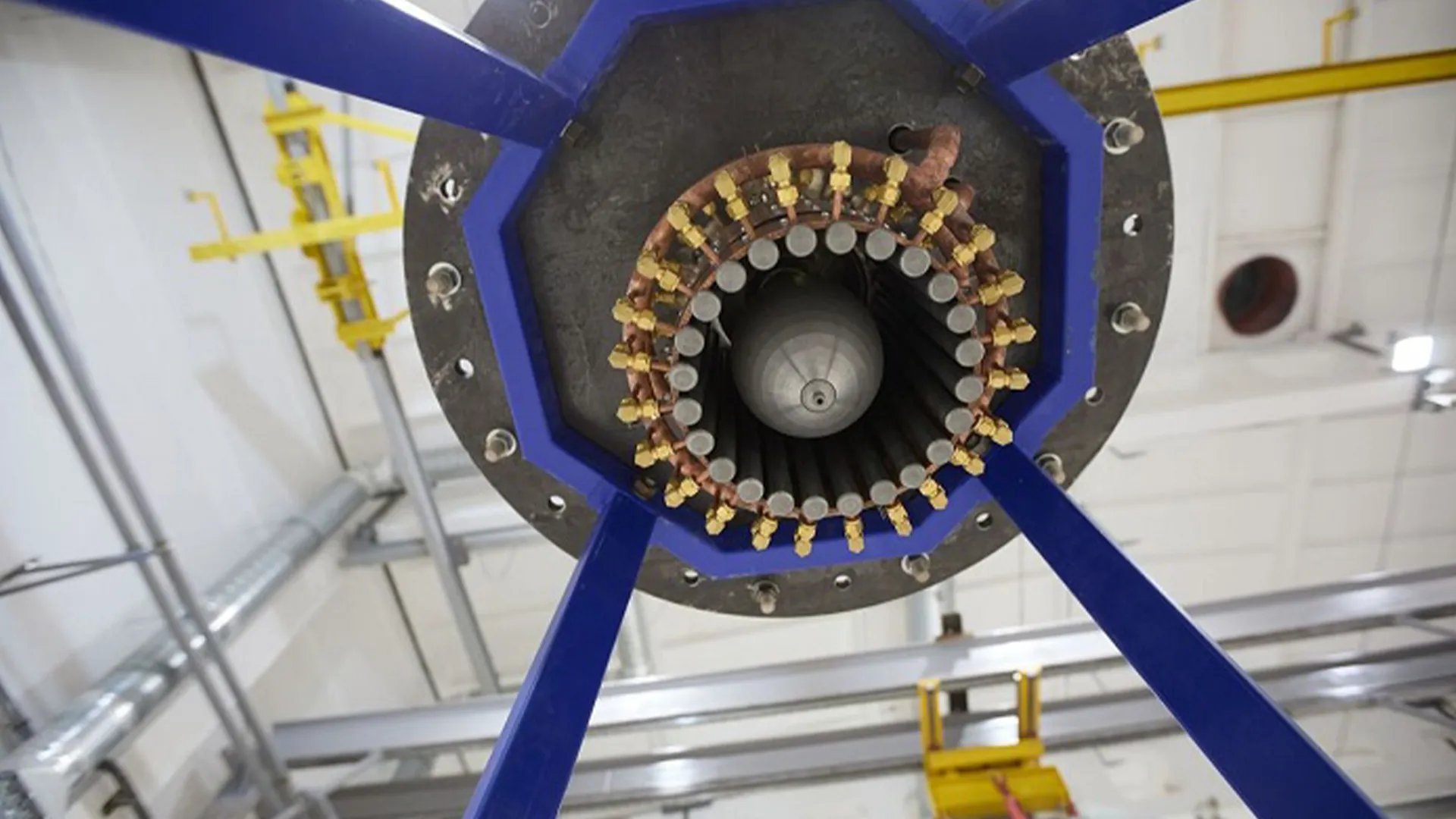
NASA has linked electric propulsion and Nuclear Electric Propulsion (NEP) systems with future Mars missions. NEP technology uses a small nuclear reactor to generate continuous electricity for powerful thrusters.
Current Mars missions using traditional propulsion methods may take around nine months. However, NASA believes advanced electric propulsion could reduce Mars travel time to only 30 to 60 days.
For crewed Mars missions, NASA estimates spacecraft may require 2 to 4 megawatts of power. The propulsion system may also need to work continuously for more than 23,000 hours, which equals nearly 2.6 years.
Future of Deep Space Missions
The NASA Plasma Engine Mars Travel project highlights the future of fast and efficient space exploration. Scientists believe powerful plasma engines could support human missions to Mars and other deep-space destinations in the coming decades.
Electric propulsion systems are already used in spacecraft because they provide efficient long-duration thrust with lower fuel consumption. With this latest success, NASA has taken another important step toward faster interplanetary travel.