



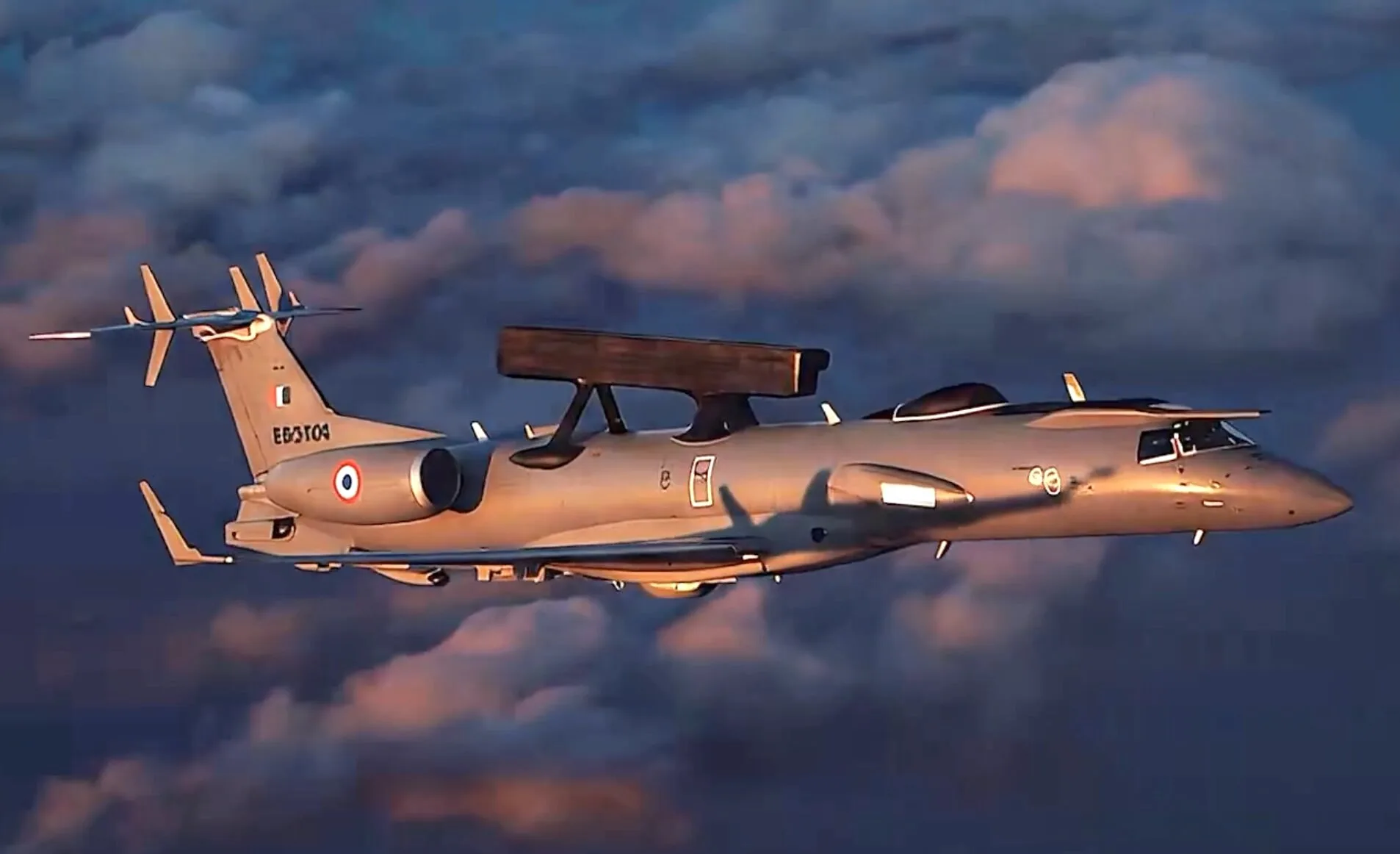
Netra AEW&C India

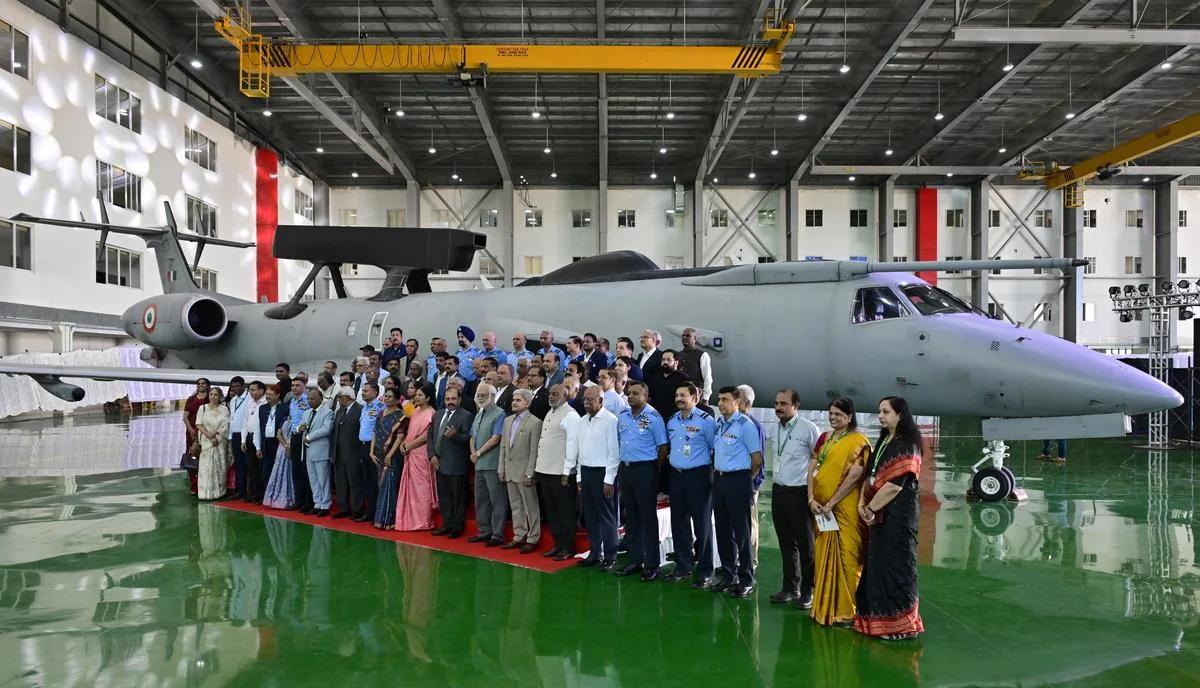
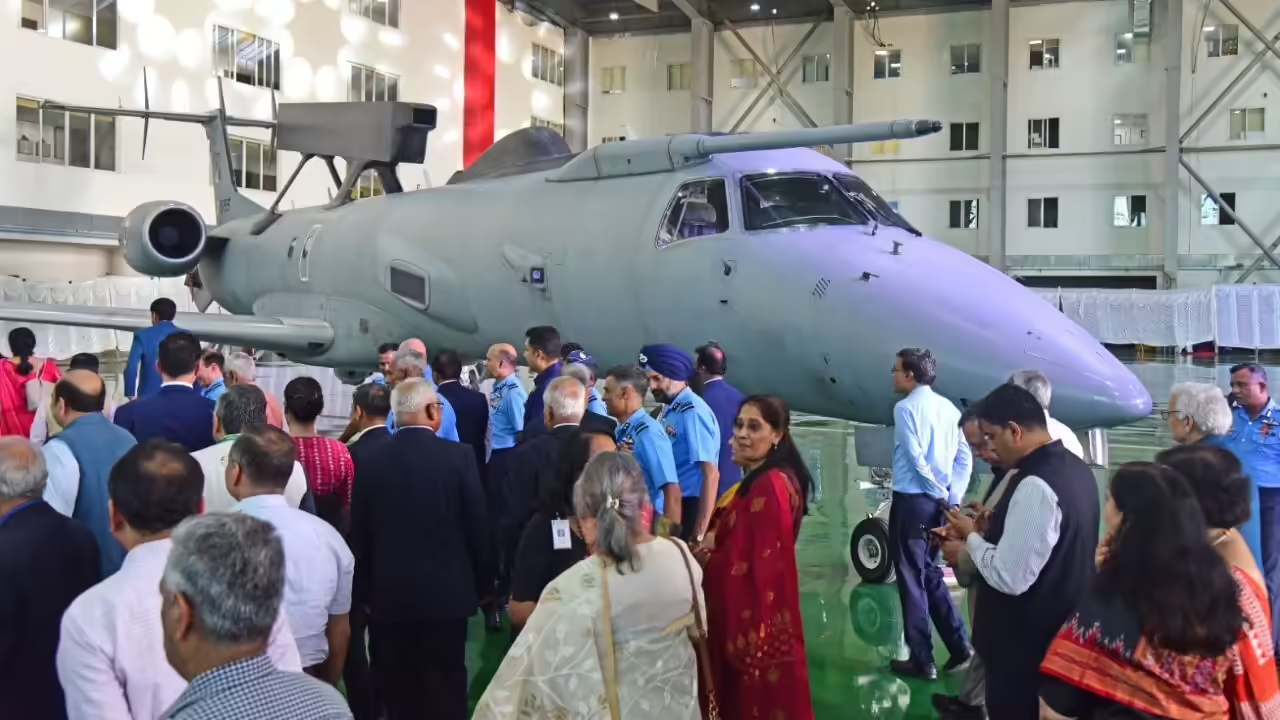
Netra AEW&C has become a major milestone in India’s defence system as the indigenous airborne platform received its Final Operational Clearance on 25 June 2026. The certification was handed over in Bengaluru by the Defence Research and Development Organisation to the Indian Air Force.
Thank you for reading this post, don't forget to subscribe!This development highlights India’s growing focus on self-reliance in defence technology. It also shows how advanced surveillance systems are becoming essential in modern security planning.
What is Netra AEW&C System
Netra AEW&C is an airborne early warning and control system mounted on an aircraft. It uses radar and advanced electronics to monitor airspace over long distances.
Such systems act like flying control rooms. They can detect aircraft, track movement, and provide real-time information to ground stations and fighter jets.
This capability helps in better coordination during missions and improves response time in critical situations.
Journey of Indigenous Development
The Netra AEW&C programme is a result of years of collaboration between the Defence Research and Development Organisation and the Indian Air Force.
The project was first approved in 2004, marking the beginning of India’s effort to build its own airborne surveillance system. Over time, the system went through multiple stages of testing and improvements.
It achieved Initial Operational Clearance in 2017, and now the Final Operational Clearance confirms that it is fully ready for active deployment.
Key Features of Netra System
The Netra AEW&C system is designed to provide continuous monitoring of airspace. It can track multiple targets at the same time and send data to command centres.
It also supports battle management by guiding fighter aircraft and helping in decision-making during operations.
The system is equipped with advanced radar, communication tools, and mission systems that allow it to operate efficiently in different conditions.
Role in Modern Defence Operations
Netra AEW&C has already been used in important operations, including missions like Operation Sindoor and the Balakot air strikes.
Its ability to provide real-time information makes it a valuable asset in both surveillance and combat situations.
In today’s world, where airspace security is critical, such systems help detect threats early and respond quickly.
Importance of Airborne Early Warning Systems
Airborne early warning systems are used by many countries to strengthen their defence capabilities. They provide a wider view of the sky compared to ground-based radar.
These systems can detect incoming aircraft, drones, and other aerial threats from long distances. This gives defence forces more time to prepare and act.
They also play a key role in managing air traffic during operations and ensuring coordination between different units.
Boost to India’s Defence Capability
The approval of Netra AEW&C adds strength to India’s existing defence systems. It increases the country’s ability to monitor its airspace and respond to potential threats.
This is especially important in the current global scenario, where security challenges are becoming more complex.
With indigenous systems like Netra, India reduces its dependence on foreign technology and gains more control over its defence infrastructure.
Technology and Innovation in Defence
Netra AEW&C reflects India’s progress in defence technology and innovation. Developing such systems requires expertise in radar, electronics, software, and aerospace engineering.
The success of this project shows how collaboration between research organisations and armed forces can lead to advanced solutions.
It also opens the door for future developments in airborne systems and other defence technologies.
Growing Focus on Self-Reliance
India has been focusing on building its own defence systems under initiatives aimed at self-reliance. Projects like Netra AEW&C are part of this larger vision.
By developing indigenous technology, the country can ensure better security and reduce costs in the long run.
It also creates opportunities for local industries and supports technological growth.
Strategic Importance in Current Times
In today’s rapidly changing global environment, having strong surveillance systems is essential. Airspace monitoring is not just about defence but also about preparedness and awareness.
Netra AEW&C helps India stay alert and ready to handle different situations. It also strengthens coordination between various defence units.
As technology continues to evolve, such systems will play an even bigger role in ensuring national security.