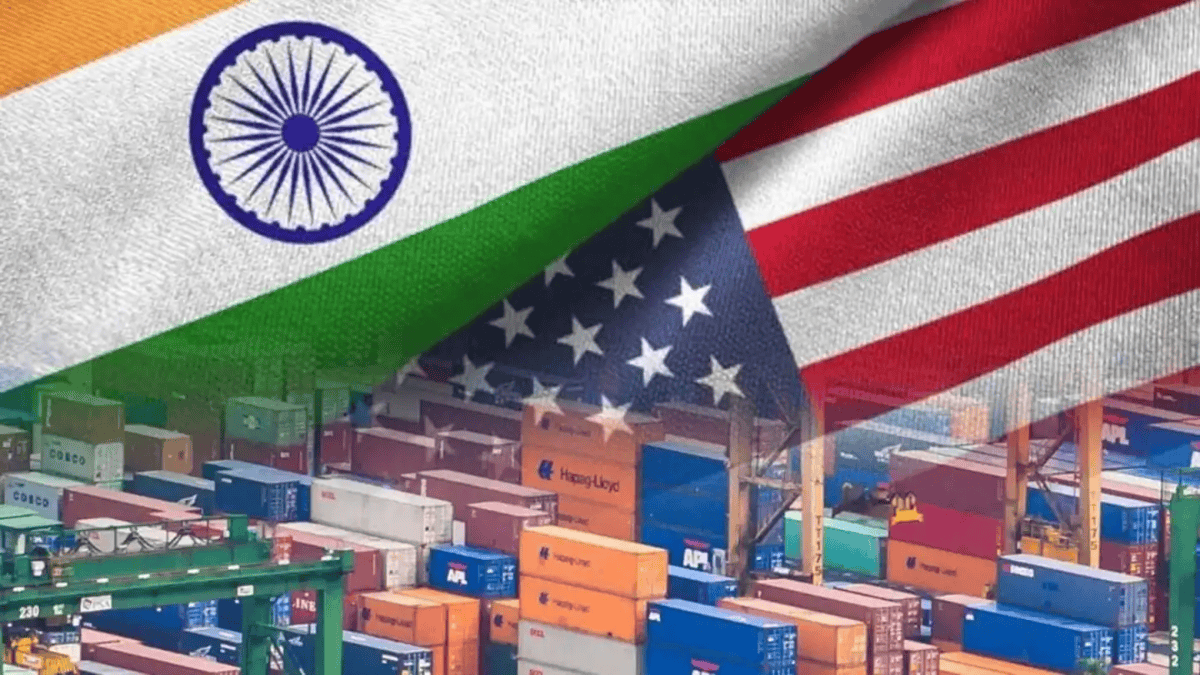
India-Australia Zero Tariff Trade Marks a New Era in Bilateral Commerce

India-Australia Zero Tariff Trade has officially begun as of January 1, 2026, opening up a new chapter in economic cooperation between the two countries. For the first time, every Indian product entering Australia does so without paying a single rupee in tariff. This milestone comes three years after the Australia-India Economic Cooperation and Trade Agreement (ECTA) came into force, and it offers Indian businesses unhindered access to one of the world’s largest economies. In a global environment where trade barriers are rising, this agreement stands out as a remarkable success story.
Thank you for reading this post, don't forget to subscribe!What Has Changed Under ECTA?
The most visible change under ECTA is that Australia has now removed tariffs on 100% of Indian goods exports. This means that a wide range of Indian products, including textiles, engineering goods, pharmaceuticals, automobiles, gems and jewellery, agricultural products, and processed foods, can now enter Australia without any customs duties.
India, in return, has also progressively reduced or eliminated duties on various Australian exports. This includes coal, critical minerals, metals, wine, and certain agricultural products. The result is a two-way trade flow that benefits both economies, creating opportunities for businesses, manufacturers, and farmers alike.
India-Australia Zero Tariff Trade: Numbers Tell a Strong Story
The impact of ECTA is already visible in trade figures. Bilateral trade between India and Australia has crossed AUD 50 billion (around ₹3 lakh crore) for the first time. Over the past five years, two-way goods trade has doubled, highlighting the deepening economic linkages between the two countries.
India’s export growth to Australia has been particularly impressive. While India’s global goods exports rose by about 40% over the past five years, exports to Australia surged by 200%. This growth rate is five times faster than India’s overall export growth, signaling not just better market access but stronger commercial integration.
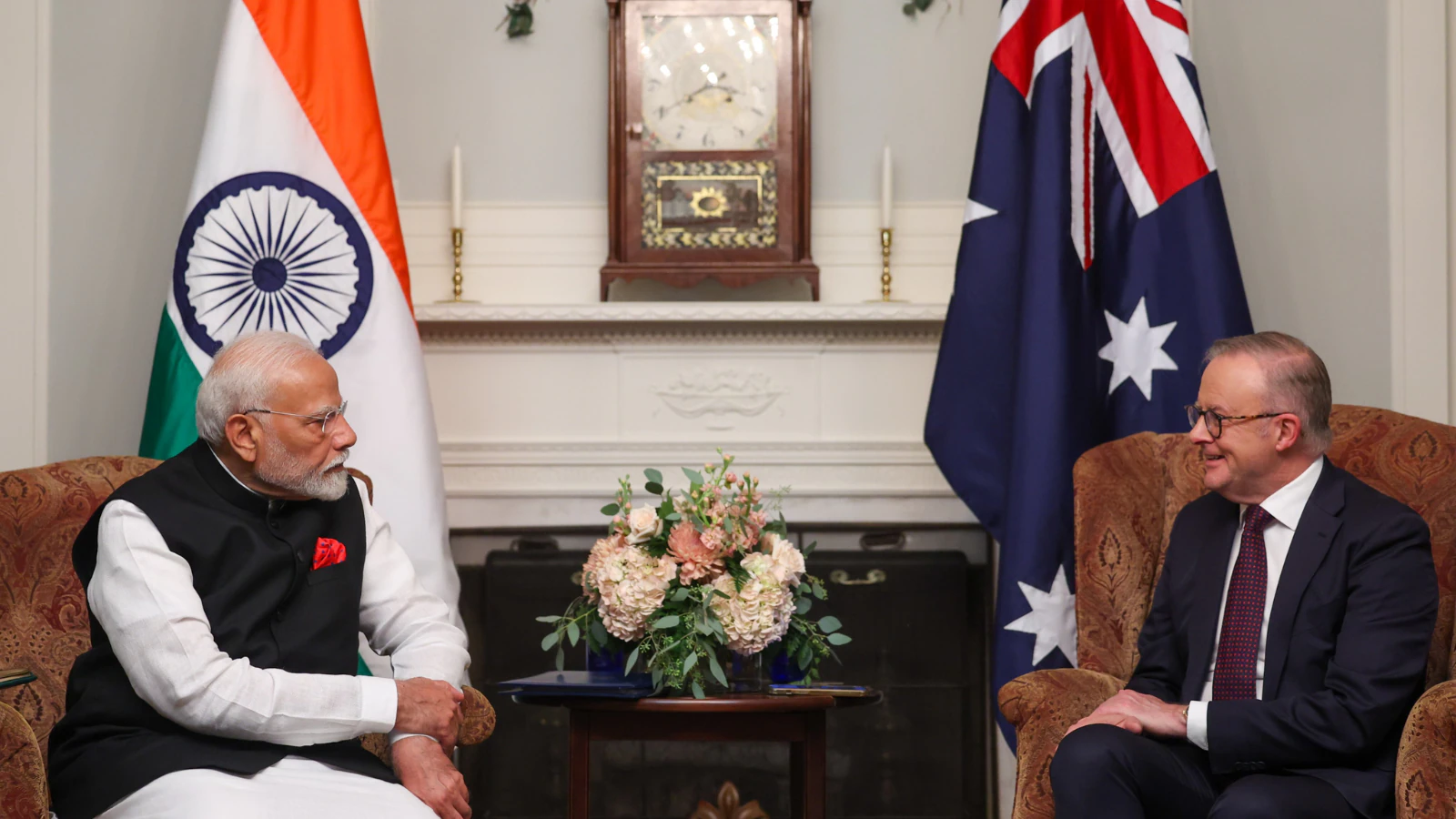
India-Australia Zero Tariff Trade: Economic Complementarity Driving Growth
The success of India-Australia Zero Tariff Trade is rooted in the economic complementarity between the two nations. Australia provides India with resources critical for its growth, including minerals, rare earths, energy resources, and expertise in advanced skills. These resources support India’s manufacturing sector and clean-energy transition efforts.
India, in return, supplies Australia with competitively priced manufactured goods, pharmaceuticals, automobiles, garments, and agricultural produce. Indian products are no longer limited to diaspora communities—they are becoming mainstream in Australian cities. Brands like Mahindra vehicles and Indian-origin food products are increasingly visible in everyday Australian markets.
Employment and Economic Opportunities
Trade under ECTA is also generating significant employment on both sides. In Australia, where one in four jobs is linked to trade, around 200,000 jobs are now associated with commerce with India. In India, Commerce and Industry Minister Piyush Goyal projected the creation of one million jobs from ECTA. The rapid growth in trade suggests that this goal may already be within reach.
The agreement is also boosting confidence in the political and economic relationship between the two nations. Indian and Australian leaders increasingly describe the partnership as a stabilizing force in the Indo-Pacific, especially amid global trade uncertainties.
Importance in a Fragmented Global Trade Environment: India-Australia Zero Tariff Trade
The timing of India-Australia Zero Tariff Trade is particularly significant given the current global trade climate. Protectionism, geopolitical rivalries, and supply-chain disruptions have made international trade more unpredictable. Against this backdrop, Australia has emerged as a reliable, rules-based trade partner for India.
Indian policymakers now view Australia not just as a commodity supplier but as a strategic economic partner essential to India’s long-term growth in the Indo-Pacific. This trust-based partnership helps both countries navigate an increasingly complex global trade order.
Looking Ahead: From ECTA to CECA – India-Australia Zero Tariff Trade
Both nations are now planning to upgrade ECTA into a Comprehensive Economic Cooperation Agreement (CECA). Unlike ECTA, which focused mainly on goods, CECA is expected to expand cooperation across services, investment, digital trade, education, and critical-minerals supply chains.
In November, Minister Goyal and Australia’s trade minister reaffirmed their commitment to conclude CECA at the earliest. Australia has also released a roadmap outlining how it plans to integrate itself into India’s rise as a manufacturing and consumption powerhouse. This future cooperation promises to further strengthen economic and strategic ties between the two nations.
A Strategic and Quiet Success: India-Australia Zero Tariff Trade
While India-Australia Zero Tariff Trade may not dominate daily headlines, its impact is substantial. It has delivered tariff-free access, accelerated export growth, created jobs, and strengthened trust at a time when global trade partnerships face strain.
For India, the agreement provides a model for future trade deals: phased, pragmatic, and built on economic complementarity rather than ideology. For Australia, it represents a long-term bet on India’s growing role in the global economy.
Three years after ECTA came into force, India-Australia trade has transformed from simple market access to a deep economic partnership. This partnership demonstrates that, even in an uncertain world, carefully negotiated agreements can deliver shared prosperity and shape the future of trade in the Indo-Pacific.