


New Ships to Cut Freight Costs

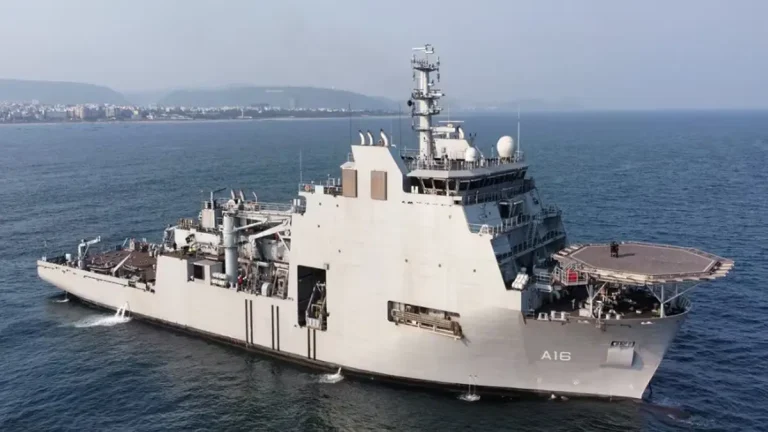
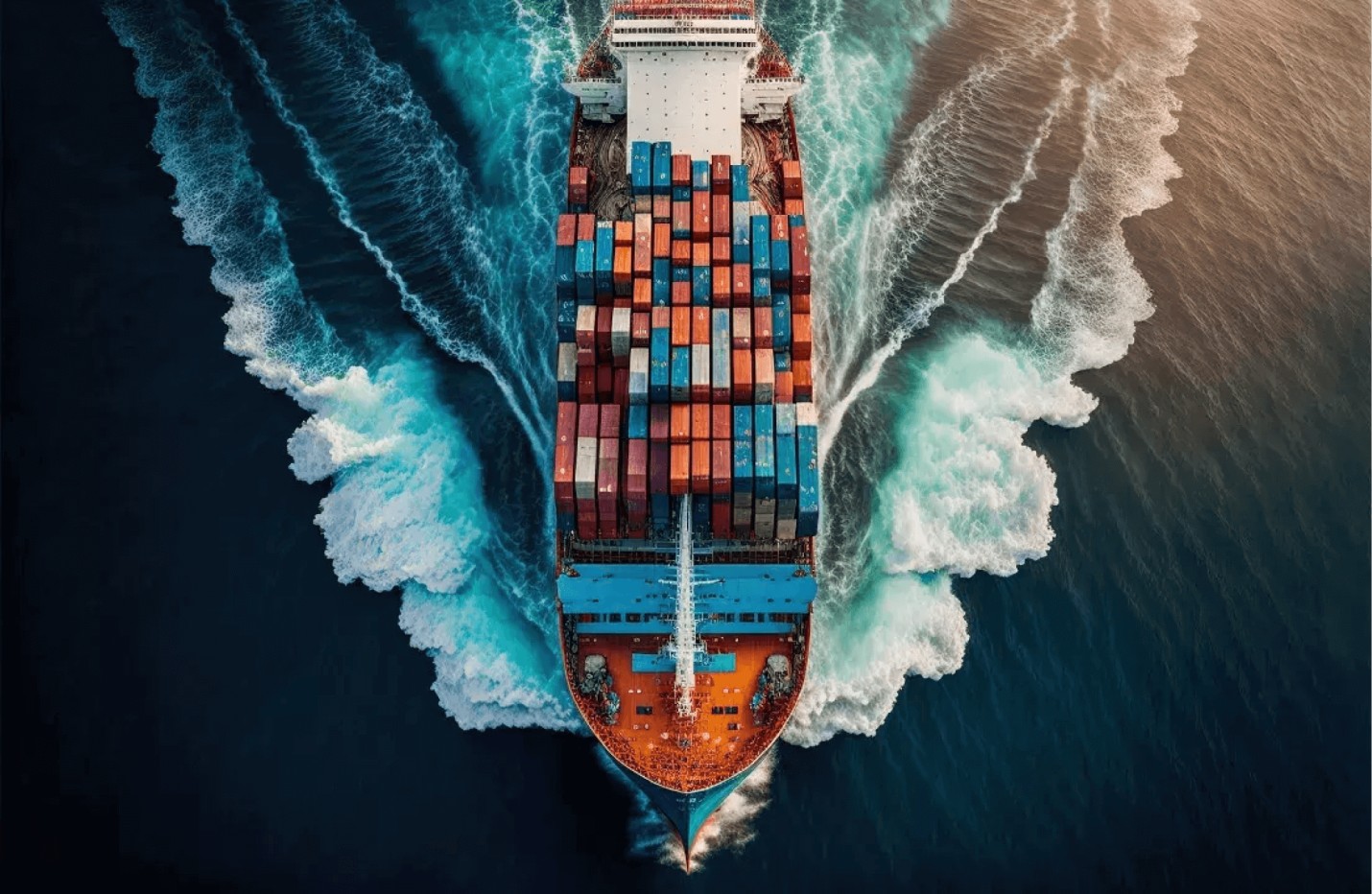
New Ships are at the centre of India’s latest plan to strengthen its merchant shipping sector and reduce dependence on foreign shipping companies. India plans to add 100 vessels to its merchant fleet over the next five years, particularly to support the movement of important cargo such as crude oil, gas, coal and fertilisers.
The announcement was made on 25 August 2026 at the first Sagar Samvad conference in New Delhi. The event was organised by the National Shipping Board and focused on the future direction of India’s maritime sector under Maritime India Vision 2030 and Maritime Amrit Kaal Vision 2047.

Why India Needs More Ships
India is one of the world’s major trading economies, but a large share of its international cargo is transported by foreign shipping companies. The country currently spends nearly $75 billion every year on foreign shipping services for imported cargo and other important freight.
A significant part of this cargo consists of energy and agricultural inputs. Crude oil, liquefied gas, coal and urea are particularly important because they directly support India’s energy needs, industries and agriculture.
Increasing the number of Indian-flagged vessels could allow a larger share of this freight to be carried by domestic shipping companies. It could also improve India’s control over important supply chains during periods of global disruption.
India’s Current Merchant Fleet
India currently has around 1,600 vessels registered under the Indian flag. A vessel’s flag indicates the country in which it is registered and whose maritime laws, safety rules and taxation system apply to it.
The proposed addition of 100 vessels would increase the size of India’s domestic merchant fleet and support the government’s broader effort to develop a stronger maritime economy.
The plan is also linked to India’s growing focus on maritime security and supply-chain resilience. International shipping can be affected by conflicts, disruptions at major sea routes, changes in fuel prices and geopolitical tensions.
High Cost of Indian-Flagged Ships
One of the biggest challenges for India’s shipping industry is the higher operating cost of Indian-flagged vessels.
Industry representatives have estimated that operating an Indian-flagged ship can cost around 16% to 20% more than operating a foreign-flagged vessel.
Several factors contribute to this difference, including taxation, ship-import costs, maintenance expenses, seafarer wages and the cost of raising capital in India.
Reducing this cost gap will be important if India wants more companies to register and operate vessels under the Indian flag.
Five-Pillar Maritime Roadmap
The National Shipping Board has proposed a five-pillar approach to make the Indian shipping industry more competitive.
The proposed roadmap includes fiscal reforms, assured cargo support, competitive financing, regulatory simplification and improved ease of doing business.
Assured cargo support could provide greater confidence to shipping companies investing in new vessels. Easier financing could also help companies manage the large capital investment required to purchase or build ships.
At the same time, regulatory reforms could reduce delays and make it easier for Indian companies to operate in the international shipping market.
Sagar Samvad and Maritime Vision
The Sagar Samvad conference brought together stakeholders to discuss the future of India’s shipping sector and the country’s long-term maritime goals.
The discussions are connected with Maritime India Vision 2030, which focuses on improving India’s ports, shipping infrastructure, logistics and maritime services.
The longer-term Maritime Amrit Kaal Vision 2047 aims to build a stronger and more competitive maritime sector as India moves towards its centenary of independence.
Increasing the number of Indian-owned and Indian-flagged ships is an important part of this wider maritime development strategy.
Container Manufacturing Gets a Push
India is also working to expand its domestic container manufacturing capacity. The ₹10,000 crore Container Manufacturing Assistance Scheme is aimed at supporting the production of shipping containers within the country.
Global shipping companies have started showing interest in Indian-made containers. Maersk has begun ordering containers manufactured in India under the scheme, while Hapag-Lloyd and NYK are among companies reportedly considering reflagging vessels under the Indian flag.
Domestic container production can support India’s logistics industry and reduce dependence on imported containers.
Impact on India’s Trade and Logistics
The addition of New Ships could have a wider impact on India’s trade and logistics network. A stronger Indian merchant fleet can create demand for shipbuilding, ship repair, maritime finance, insurance, port services and skilled seafarers.
It could also create opportunities for Indian companies involved in engineering, equipment manufacturing and marine technology.
For a country that imports large quantities of crude oil, gas, coal and fertilisers, having greater domestic shipping capacity can provide an additional layer of resilience.