Oldest Sulawesi Hand Stencil Rock Art Discovered in Indonesia

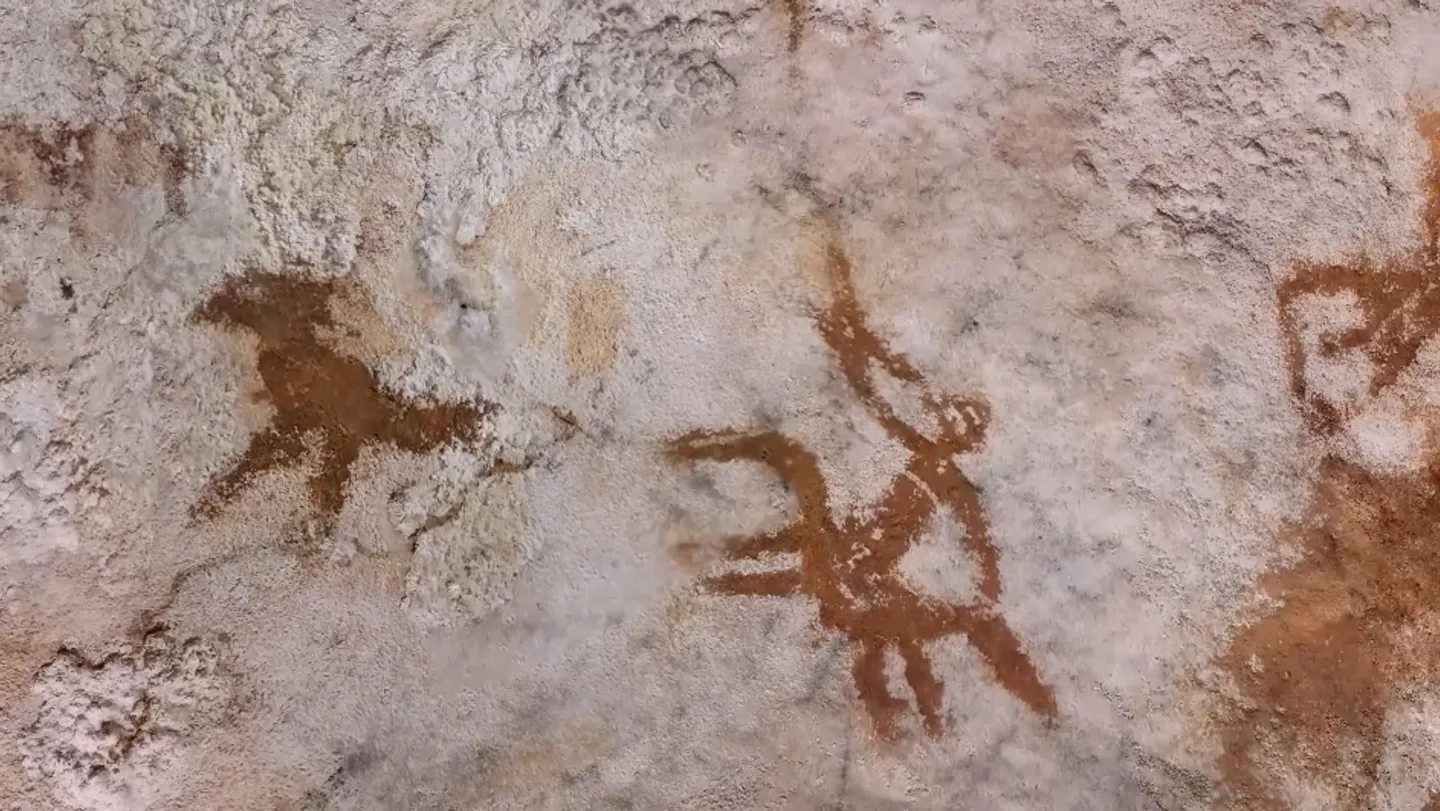
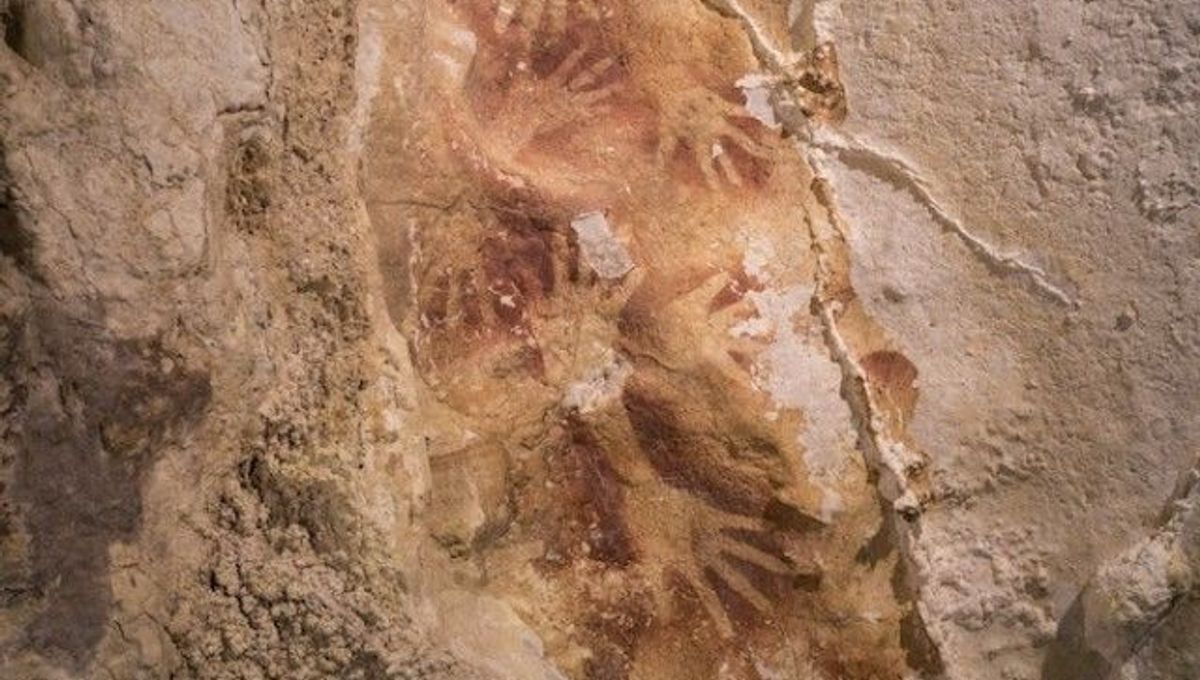
Archaeologists have discovered the Oldest Sulawesi Hand Stencil Rock Art inside a limestone cave in Indonesia. The hand stencil was found in Liang Metanduno cave on Muna Island in southeastern Sulawesi. Scientists have dated the artwork to at least 67,800 years ago, making it the oldest known example of rock art discovered so far.
Thank you for reading this post, don't forget to subscribe!This important discovery pushes back the timeline of early human creativity and symbolic expression in Southeast Asia. It also provides strong evidence that ancient humans in the region already had advanced cultural traditions.
Liang Metanduno Cave Exploration
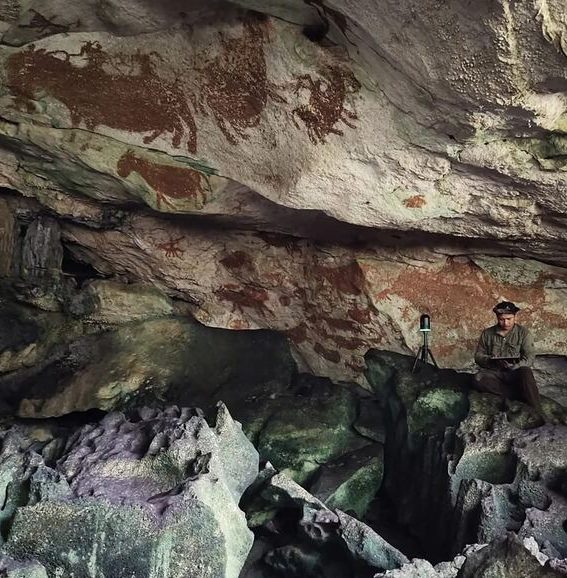
The artwork was identified during archaeological research in Liang Metanduno cave. This cave is located on Muna Island, an area that has received less attention compared to the famous Maros–Pangkep karst region in southwestern Sulawesi.
During the research project, scientists documented 44 different rock art sites in the region. Among them, eleven paintings from eight sites were carefully dated. These included seven hand stencils along with geometric and figurative paintings.
The newly discovered hand stencil is particularly significant because it is over 16,000 years older than previously dated rock art from the Maros–Pangkep region.
Uranium Series Dating Reveals the Age
Researchers used a scientific method called uranium series dating to determine the age of the rock art. Over time, thin layers of calcite formed naturally on top of the painted surface.
Scientists analysed these calcium carbonate layers using laser technology. The mineral crust above the stencil was found to be about 71,600 years old. Since this layer formed after the painting was created, it confirms that the artwork beneath must be at least 67,800 years old.
In some cases, researchers also studied carbonate layers found beneath the pigment. This helped them estimate the time range when the artwork might have been created. Evidence suggests that artistic activity in the cave may have continued until about 20,000 years ago.
Clues About Early Human Migration
The discovery of the Oldest Sulawesi Hand Stencil Rock Art also helps scientists understand early human migration. During the Pleistocene epoch, sea levels were much lower than today.
At that time, Australia, New Guinea, and Tasmania were connected as one landmass called Sahul. Historians and archaeologists have long debated whether humans reached this region about 50,000 years ago or earlier around 65,000 years ago.
The Sulawesi rock art supports the idea that humans were present in this part of the world earlier than previously believed. Southeastern Sulawesi may have been part of an important sea route used by ancient people traveling between Borneo and Papua.
Unique Design of the Hand Stencil
The hand stencil itself shows an unusual artistic feature. After creating the negative outline of the hand, the artist carefully narrowed the finger shapes, giving them a claw-like appearance.
This design is rare in rock art found around the world. Researchers believe it might represent symbolic ideas connecting humans and animals, a theme that appears in other ancient Sulawesi artworks.
The stencil stands as a powerful reminder of human imagination and creativity nearly 70,000 years ago.