Pacific Seafloor Dark Oxygen Discovery Challenges Traditional Oxygen Theory

The Pacific Seafloor Dark Oxygen discovery has surprised scientists studying the deep ocean. Researchers exploring the Pacific Ocean floor found oxygen nearly 4,000 metres below the surface, where sunlight cannot reach. This finding challenges the long-standing belief that oxygen on Earth is mainly produced through photosynthesis, a process that requires sunlight.
Thank you for reading this post, don't forget to subscribe!The discovery occurred during research on polymetallic nodules located on the deep Pacific seafloor. These rock-like formations may play a key role in producing oxygen in complete darkness, opening new scientific discussions about how oxygen can form in extreme environments.
What Is ‘Dark Oxygen’?
“Dark oxygen” refers to oxygen detected in deep-sea environments where no sunlight exists. Normally, oxygen production on Earth happens through photosynthesis by plants, algae, and certain bacteria that use sunlight to convert water and carbon dioxide into oxygen.
However, scientists discovered measurable oxygen levels in areas of the Pacific seafloor where photosynthesis is impossible. According to a study published in the scientific journal Nature Geoscience, oxygen levels near polymetallic nodules increased over time during controlled experiments conducted directly on the ocean floor.
This observation led scientists to describe the phenomenon as Pacific Seafloor Dark Oxygen, indicating oxygen formation in complete darkness.
How Scientists Detected Oxygen in the Deep Sea
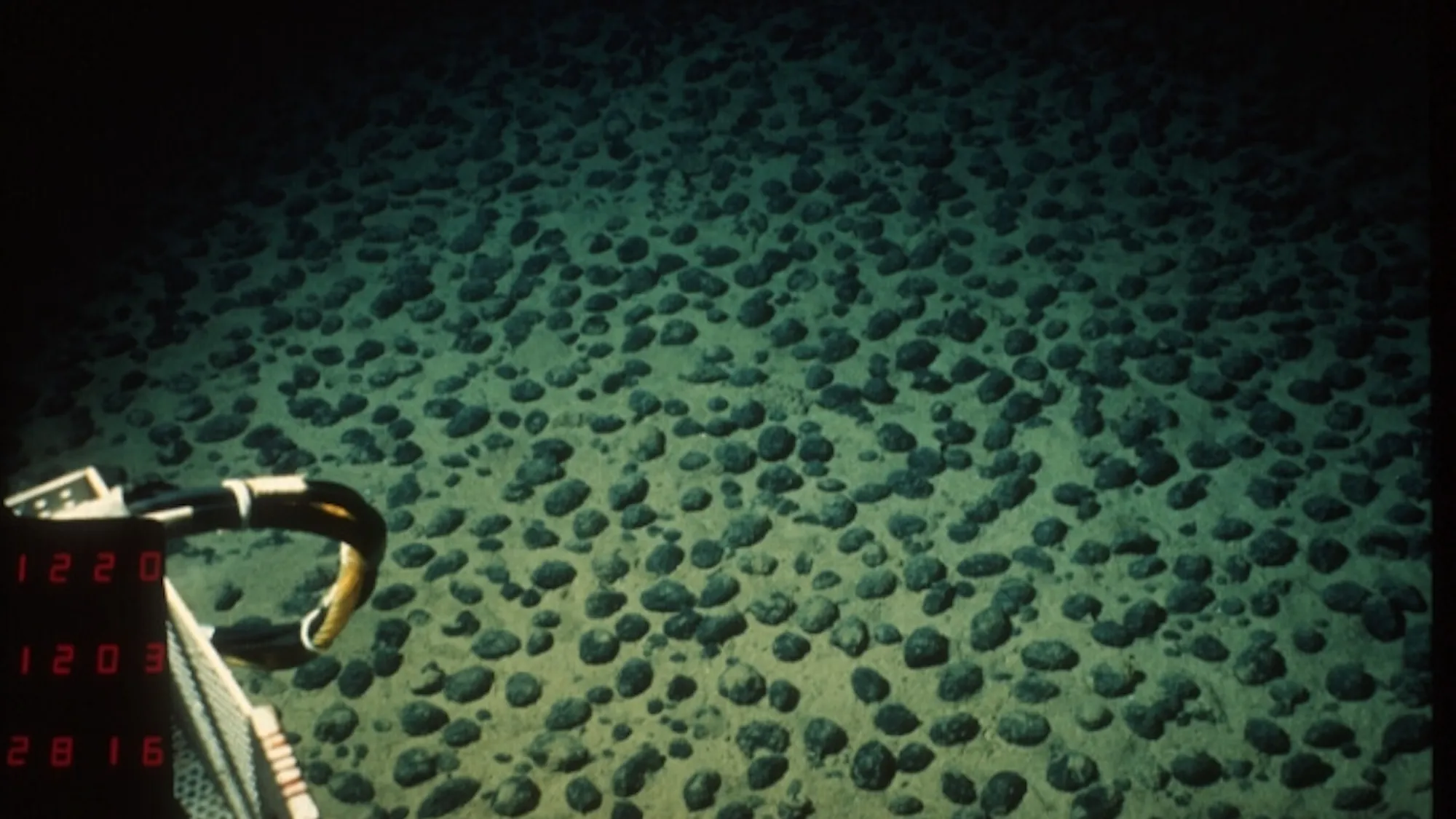
The research was conducted in the Clarion–Clipperton Zone, a large region of the Pacific Ocean known for its mineral-rich seabed. Scientists placed special instruments and benthic chambers on the seafloor to isolate small areas and observe chemical changes.
Normally, oxygen levels in deep-sea sediments decrease because microbes and chemical reactions consume it. Surprisingly, the experiments showed the opposite. Oxygen levels inside the chambers increased instead of decreasing.
To confirm the results, researchers repeated the measurements several times and conducted laboratory simulations. These tests helped rule out equipment errors and strengthened evidence for the presence of Pacific Seafloor Dark Oxygen.
Role of Polymetallic Nodules
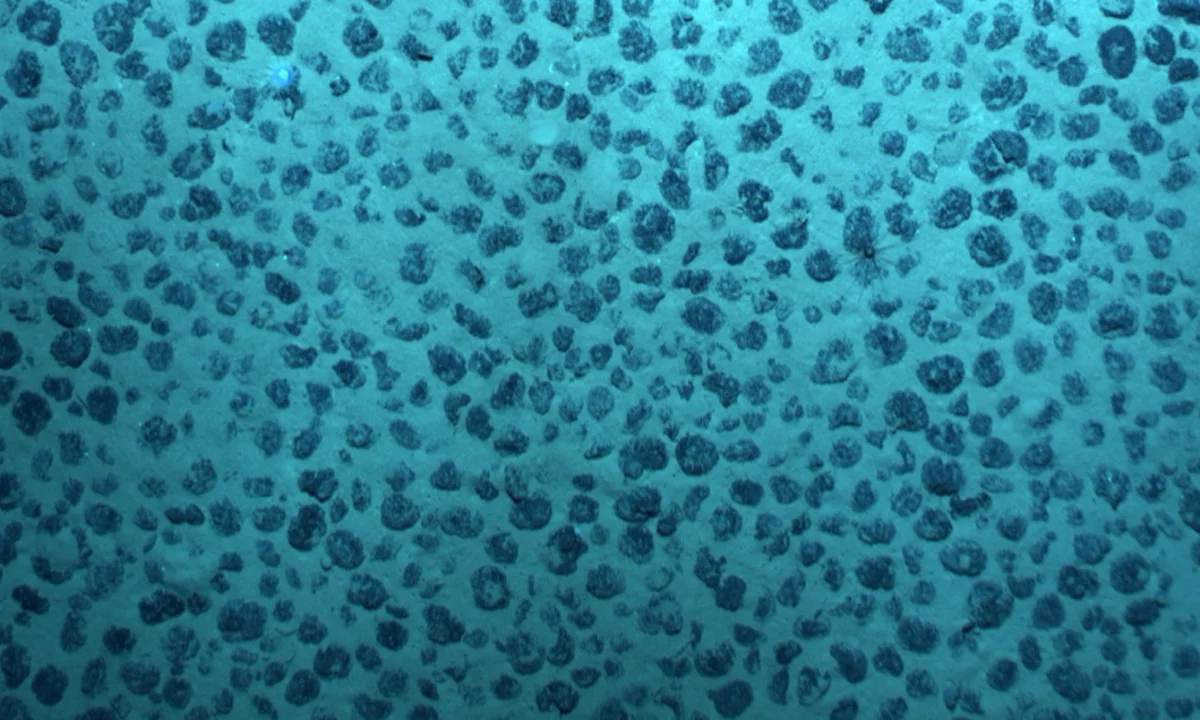
Polymetallic nodules are rock-like deposits that form extremely slowly over millions of years on the deep ocean floor. They contain valuable metals such as manganese, nickel, and cobalt, making them attractive targets for deep-sea mining.
Scientists believe these nodules may act like natural batteries. Minerals inside them could trigger electrochemical reactions that split seawater molecules into hydrogen and oxygen even without sunlight. This process may explain how Pacific Seafloor Dark Oxygen forms in the deep ocean.
Implications for Science and Astrobiology
The discovery of Pacific Seafloor Dark Oxygen could reshape scientific understanding of Earth’s oxygen cycle. If oxygen can be produced through chemical reactions without sunlight, it suggests that similar processes might exist in other extreme environments on Earth.
The finding also has major implications for astrobiology. Scientists often consider oxygen in a planet’s atmosphere as a possible sign of life. However, this discovery shows that oxygen might also be produced through non-biological processes in dark environments.
Additionally, the research raises environmental concerns. Disturbing polymetallic nodules through deep-sea mining could affect fragile ecosystems on the ocean floor that scientists are only beginning to understand.