



Anti Paper Leak Bill Approved by Union Cabinet

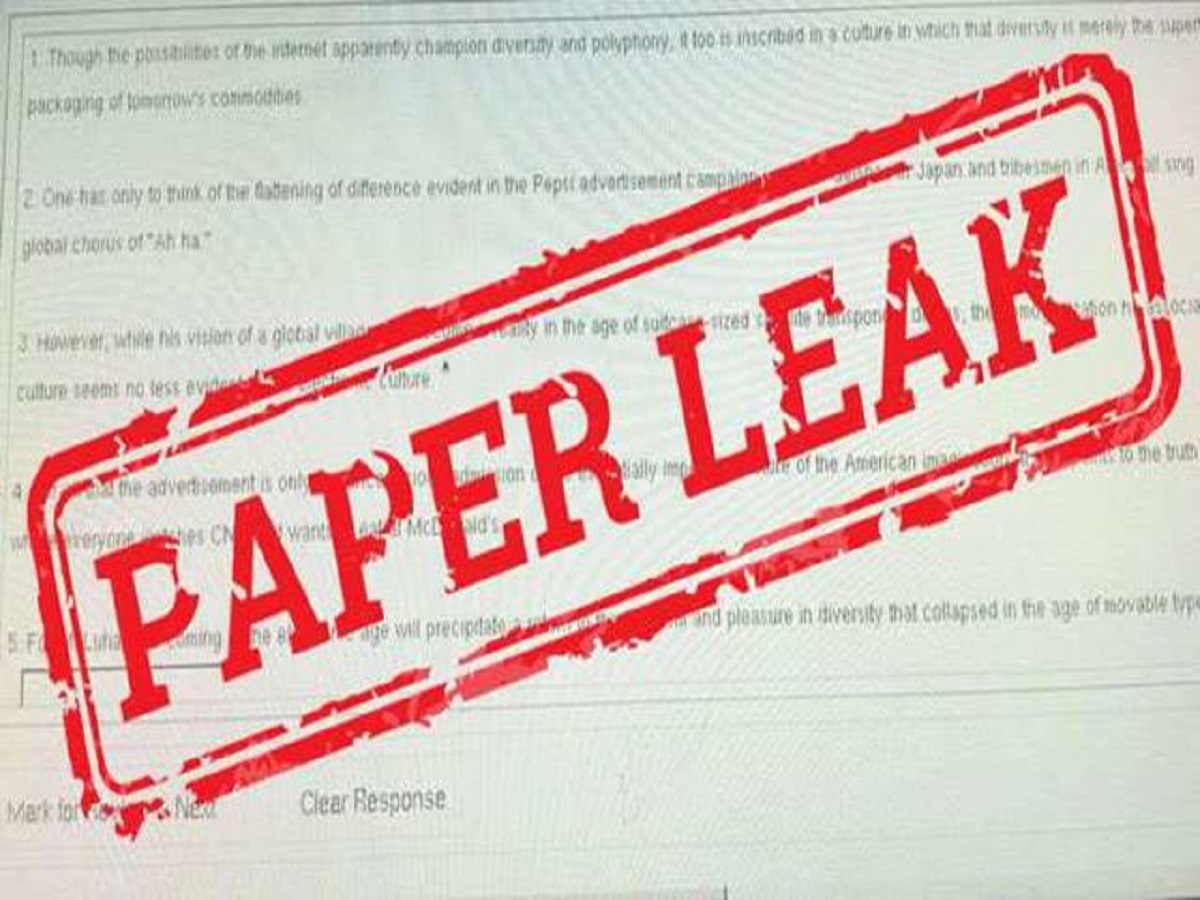
Anti Paper Leak Bill has been approved by the Union Cabinet on 24 July 2026. The government is expected to introduce the bill in Parliament during the second week of the Monsoon Session. The proposed law aims to make the system stronger against question paper leaks and other unfair activities in public examinations. This decision comes after several major paper leak cases in recent years that affected thousands of students and created concerns about the fairness of competitive and recruitment tests.
The new bill is expected to strengthen the existing legal system and improve the security of public examinations across the country.

Why the New Bill Is Being Introduced
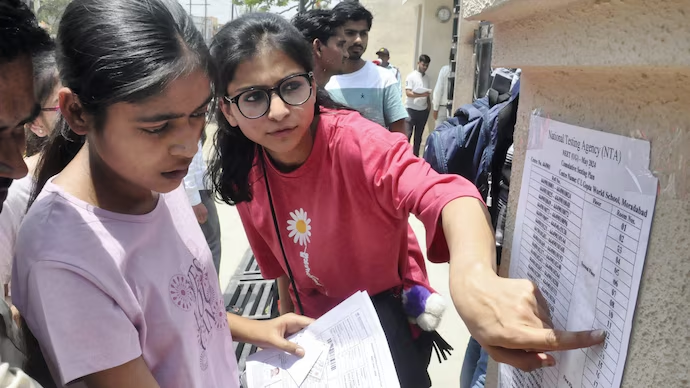
Question paper leaks have become a major concern in India over the past few years. Many recruitment and entrance examinations have faced delays, cancellations, or re-tests because confidential question papers were leaked before the exams.
These incidents not only create problems for students but also reduce public trust in the examination process. To solve this issue, the government has decided to introduce a stronger law that can deal with organised paper leak networks and other examination-related crimes more effectively.
The Anti Paper Leak Bill is expected to provide stricter rules and improve the investigation process against those involved in such illegal activities.
What Is the Current Law?
India already has the Public Examinations (Prevention of Unfair Means) Act, 2024, which was created to stop cheating and unfair practices in public examinations.
The Act was introduced in the Lok Sabha on 5 February 2024 and came into force on 21 June 2024. It made paper leaks, impersonation, and illegal access to question papers punishable offences.
Under this law, people found guilty can face heavy penalties, including:
- Imprisonment for serious offences.
- A fine of up to ₹1 crore.
- Legal action against organised groups involved in examination fraud.
The newly approved bill is expected to strengthen or amend some parts of this existing law.
How a Bill Becomes a Law in India
Before becoming a law, every bill must pass through several stages in Parliament.
First, the Union Cabinet approves the proposal. After that, the bill is introduced in either the Lok Sabha or the Rajya Sabha. Members of Parliament discuss the bill, suggest changes if required, and vote on it.
If both Houses pass the bill, it is sent to the President of India for approval. After receiving the President’s assent, it officially becomes a law.
Since the Anti Paper Leak Bill has received Cabinet approval, the next step will be its introduction and discussion in Parliament.
Security Measures for Public Examinations
In recent years, authorities have introduced several methods to improve examination security across India.
Some important measures include:
- Digital encryption of question papers.
- Secure and sealed transportation of question papers.
- Biometric verification of candidates.
- CCTV surveillance at examination centres.
- Better monitoring by examination authorities.
- Stronger coordination between state and central agencies.
These measures help reduce the chances of paper leaks and improve transparency during examinations.
Fast-Track Courts for Paper Leak Cases
The government has also taken legal steps to ensure that paper leak cases are handled quickly.
Fast-track courts have been established for serious examination fraud cases. These courts aim to complete investigations and trials faster than regular courts.
In earlier paper leak incidents, many accused persons were arrested and sent to jail. Authorities also ordered re-examinations for nearly 22 lakh students, showing the large impact such incidents can have on the education system and public administration.
Recent Cases That Increased Concern
Several high-profile paper leak cases have been reported in recent years. One of the most discussed cases involved the National Eligibility cum Entrance Test (NEET), where allegations of paper leaks and unfair practices led to nationwide discussions.
These incidents highlighted the need for stronger legal action and better security systems to protect the examination process.
The government believes that stricter laws, combined with improved technology and faster investigations, can reduce such incidents in the future.
Expected Impact of the New Bill
The Anti Paper Leak Bill is expected to strengthen the legal framework already available under the 2024 Act.
Some expected changes may include:
- Tougher punishment for organised paper leak networks.
- Better coordination between investigation agencies.
- Stronger monitoring of confidential examination material.
- Faster legal action against offenders.
- Improved protection of digital examination systems.
The exact provisions will become clear after the bill is introduced in Parliament and officially released.
Monsoon Session of Parliament
The bill is likely to be introduced during the Monsoon Session of Parliament, which is one of the three regular sessions held every year.
During this session, Parliament discusses important government bills, financial matters, national issues, and proposed laws. Members from both Houses debate the provisions before deciding whether to pass the legislation.
The introduction of the Anti Paper Leak Bill is expected to be one of the key legislative developments during the current session.
Key Highlights
- Union Cabinet approved the Anti Paper Leak Bill on 24 July 2026.
- The bill is expected to be introduced during the Monsoon Session of Parliament.
- It aims to strengthen action against question paper leaks and examination fraud.
- The proposal builds on the Public Examinations (Prevention of Unfair Means) Act, 2024.
- Existing law allows penalties of up to ₹1 crore and imprisonment for serious offences.
- Fast-track courts and stronger security systems are already being used to tackle paper leak cases.
- The new bill is expected to improve the legal framework and strengthen public examination security across India.