



Pig Organ Transplant: China Achieves a Historic Medical Breakthrough in 2026

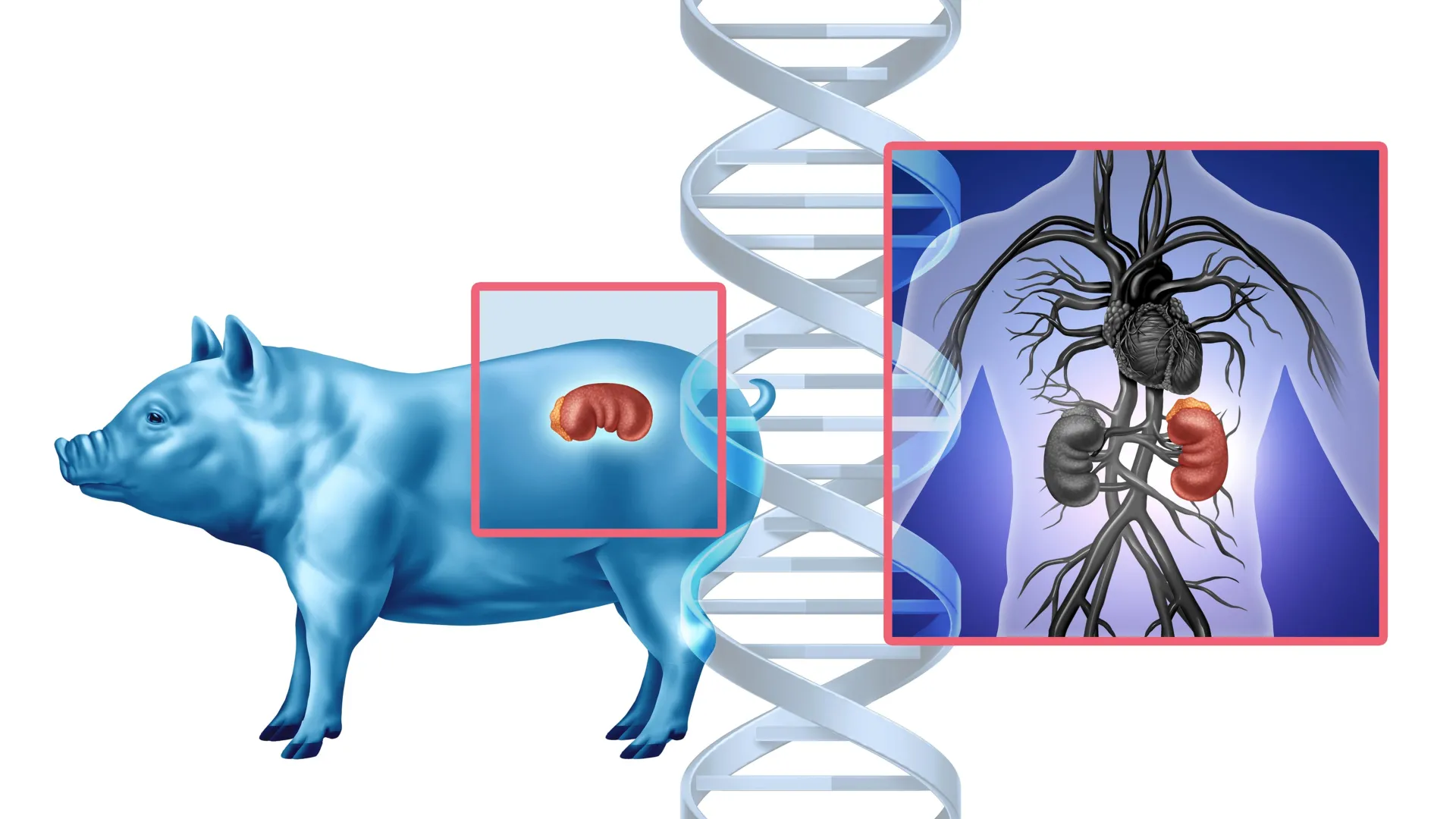
Pig Organ Transplant research reached a major milestone in May 2026 when doctors in China successfully carried out the world’s first simultaneous transplant of a pig liver and two pig kidneys into a human patient. The achievement has attracted global attention because it could help solve the growing shortage of human organs needed for life-saving surgeries.
The groundbreaking procedure was performed on 29 May 2026 at Xijing Hospital, which is affiliated with the Chinese Air Force Medical University. Medical experts used organs from a specially gene-edited pig and transplanted them into a 53-year-old brain-dead patient. This marked the first time that multiple pig organs were transplanted into a human body during a single operation.

What Is a Pig Organ Transplant?
A Pig Organ Transplant is a type of medical procedure known as xenotransplantation. Xenotransplantation involves transferring living cells, tissues, or organs from one species to another. In this case, organs from a pig were transplanted into a human body.
Scientists have been studying pigs for organ transplantation because their organs are similar in size and function to human organs. Pigs also reproduce quickly, making them a practical source for future organ donation research.
As the demand for human organs continues to rise worldwide, researchers are exploring pig organs as a possible alternative to save lives.
Why This Medical Achievement Is Important
Millions of people around the world suffer from severe liver, kidney, heart, and lung diseases. Many patients spend years waiting for suitable organ donors. Unfortunately, a large number of patients die before receiving the organs they need.
China, like many other countries, faces a significant shortage of donor organs. Because of this challenge, Chinese researchers have invested heavily in developing new transplantation technologies.
The recent Pig Organ Transplant procedure represents an important step toward finding new solutions for patients who cannot receive human donor organs in time.
Role of Gene Editing in the Procedure
One of the biggest challenges in organ transplantation is immune rejection. The human immune system naturally attacks foreign tissues and organs, treating them as threats.
To reduce this risk, scientists used advanced gene-editing technology on the donor pig. Six specific genes were modified before the transplant.
These genetic changes were designed to:
- Improve compatibility between pig organs and the human body.
- Reduce immune system attacks.
- Lower the chances of organ rejection.
- Increase the survival time of transplanted organs.
Gene editing is becoming one of the most important tools in modern medical research, especially in the field of organ transplantation.
What Happened After the Surgery?
According to the medical team, the transplanted organs showed promising early results.
The pig liver began producing bile within 19 hours of the operation. Bile is an important digestive fluid produced by the liver, and its production indicated that the transplanted liver was functioning.
The transplanted kidneys also showed encouraging signs. During the first five days after surgery, important kidney function indicators returned to normal levels.
However, researchers also observed early immune reactions. Around 36 hours after the surgery, human immune cells started replacing pig cells within the transplanted organs. This demonstrated that the body’s defense system was still responding to the foreign organs despite the genetic modifications.
These findings provide valuable information that may help improve future transplant procedures.
Global Interest in Xenotransplantation
The success of this Pig Organ Transplant has increased worldwide interest in xenotransplantation research.
Several countries, including the United States, China, and the United Kingdom, are investing in studies involving genetically modified pig organs. Scientists believe that future advancements could make pig organs a temporary or even long-term solution for patients awaiting human donor organs.
Medical researchers are also studying pig hearts, lungs, and pancreas tissues for future transplantation possibilities.
The goal is to create a reliable supply of transplantable organs that can reduce waiting times and save more lives.
Challenges That Still Remain
Although the procedure is considered a major breakthrough, several challenges remain before pig organ transplants become common medical treatments.
Some of the key concerns include:
| Challenge | Description |
|---|---|
| Immune Rejection | The human body may still attack transplanted pig organs. |
| Long-Term Survival | Scientists need to determine how long transplanted organs can function. |
| Infection Risks | Researchers must ensure that animal viruses cannot spread to humans. |
| Ethical Questions | The use of genetically modified animals raises ethical concerns. |
| Regulatory Approval | Extensive testing is needed before widespread clinical use. |
Researchers continue to work on these issues through ongoing clinical studies and laboratory testing.
A Possible Solution to Organ Shortages
One promising application of pig organs is their use as temporary “bridge organs.” These organs could support patients while they wait for a human donor organ.
For example, a patient with liver failure might receive a pig liver temporarily until a human liver becomes available. This approach could significantly increase survival rates among critically ill patients.
If future studies confirm the safety and effectiveness of pig organ transplantation, healthcare systems around the world could benefit greatly.
Research Publication
The study was led by Xuyong Sun from the Second Affiliated Hospital of Guangxi Medical University. The research findings were published in the medical journal Med on 30 May 2026.
Researchers stated that continued monitoring and future studies will help determine whether pig organs can become a practical option for human transplantation in the years ahead.