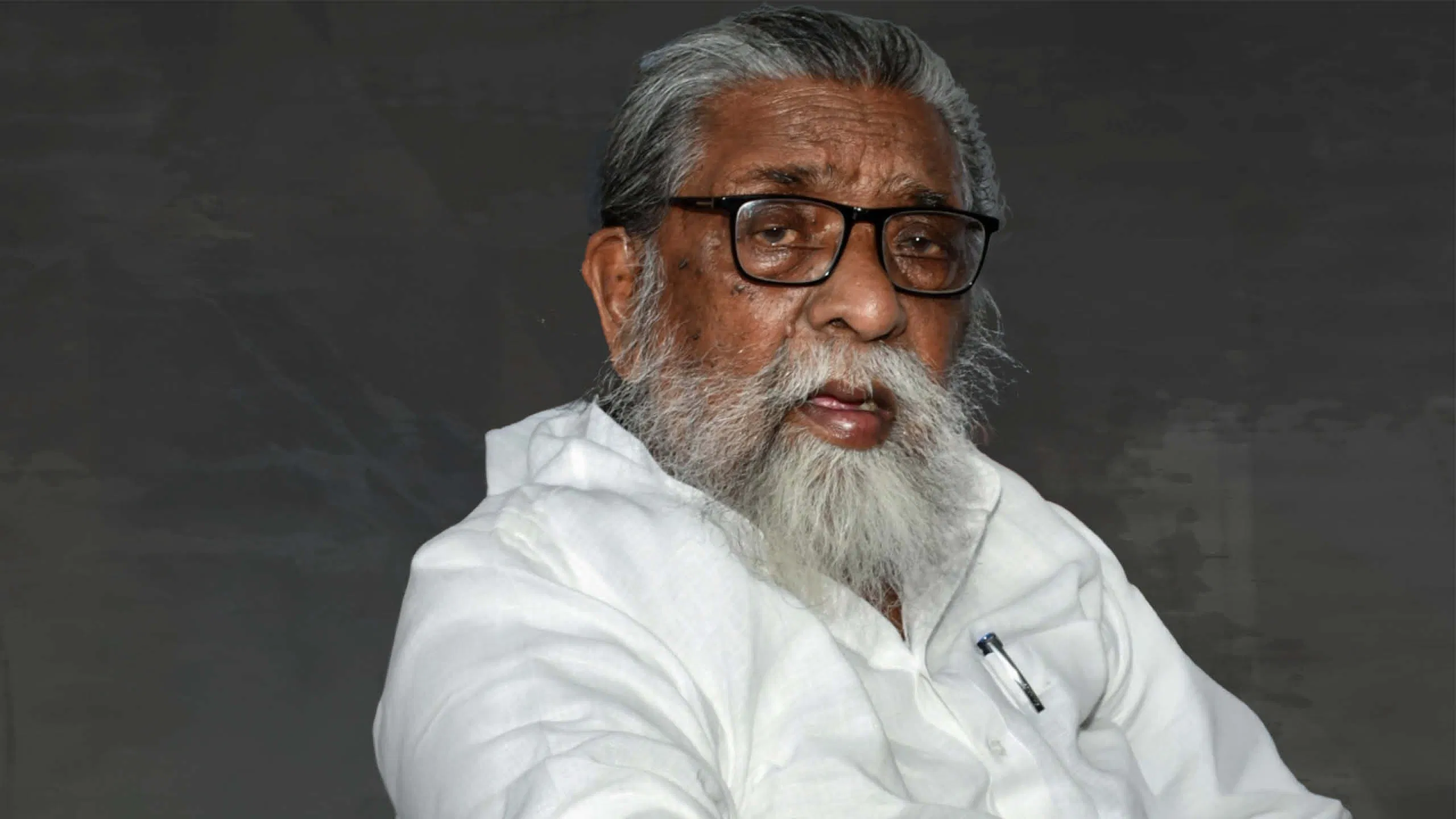
Shibu Soren Padma Bhushan Honour: Nation Remembers the Life and Struggles of a Tribal Icon

Shibu Soren Padma Bhushan Honour marks a significant moment in India’s political and social history, as the veteran tribal leader and founding figure of the Jharkhand Mukti Morcha (JMM) has been posthumously awarded one of the country’s highest civilian recognitions. The award, announced by the Union Home Ministry on the eve of Republic Day, recognises Shibu Soren’s lifelong commitment to tribal rights, social justice, and his decisive role in the creation of Jharkhand as a separate state.
Thank you for reading this post, don't forget to subscribe!For millions of people, especially among tribal communities, this honour is not just about an award. It is a recognition of decades of struggle, sacrifice, and leadership by a man who became a symbol of resistance against exploitation and inequality.
Early Life and the Roots of Resistance
Shibu Soren was born on January 11, 1944, in Nemra village in the Ramgarh district of present-day Jharkhand. His childhood was marked by hardship and tragedy. When he was just 13 years old, his father was killed by moneylenders, an incident that left a deep impact on his life. This painful experience exposed him to the harsh realities faced by poor tribal families under the exploitative mahajani pratha, or moneylender system.
From a young age, Soren developed a strong sense of justice and a determination to fight oppression. He began participating in local movements that opposed land grabbing and bonded labour. These early struggles shaped his political thinking and laid the foundation for a lifelong mission to defend the rights of tribal people.
Over time, Shibu Soren earned the affectionate title “Dishom Guru,” meaning “leader of the land,” a reflection of the trust and respect he commanded among tribal communities.

Building the Jharkhand Movement
One of Shibu Soren’s most important contributions was his leadership in the long and complex movement for a separate Jharkhand state. For decades, tribal communities had demanded their own state to protect their culture, land, and identity. Soren emerged as one of the main architects of this movement.
Through rallies, grassroots mobilisation, and political campaigns, he united different tribal groups under a common cause. His ability to connect with ordinary people and articulate their grievances gave strength to the movement. Despite facing arrests, political setbacks, and resistance from powerful interests, Soren remained steadfast.
The movement finally succeeded in 2000, when Jharkhand was carved out of Bihar. For many supporters, this achievement alone secured Shibu Soren’s place in history as one of the most influential leaders of modern India.
Journey in Electoral Politics
Alongside mass movements, Shibu Soren also built a strong presence in electoral politics. He represented the Dumka parliamentary constituency eight times, becoming a familiar face in national politics. His victories reflected the deep bond he shared with voters, particularly in rural and tribal areas.
Soren served as Chief Minister of Jharkhand on three occasions. Though his terms were often marked by political instability and coalition challenges, his focus on tribal welfare and state identity remained central.
He also held important positions at the national level, including serving as a Union minister. Throughout his career, he balanced the role of a grassroots activist with that of a seasoned politician, a combination that made him unique.
Announcement of the Padma Bhushan
The announcement of the Padma Bhushan honour brought widespread attention to Shibu Soren’s legacy. Leaders from across the political spectrum acknowledged his contributions to public life.
The Jharkhand Mukti Morcha welcomed the award but stated that Soren deserved the country’s highest civilian honour, the Bharat Ratna, for his unparalleled service. The Congress party echoed similar sentiments, highlighting his historic role in empowering marginalised communities.
On the other hand, the Bharatiya Janata Party described the Padma Bhushan as a tribute to Jharkhand’s soil, its struggles, and the people’s movement that Soren represented. The differing reactions reflect how deeply Soren’s legacy is tied to political identity and regional pride.
A Leader Who Spoke for the Marginalised
What set Shibu Soren apart was his consistent focus on the issues of the poor and marginalised. Land rights, forest rights, fair wages, and dignity for tribal communities remained at the centre of his politics.
He often spoke in simple language, using local idioms and examples that resonated with villagers. This style helped him maintain a close connection with the masses, even as he rose to national prominence.
For many supporters, Soren was not just a politician but a guardian of their rights and traditions. His life story became a source of inspiration for young activists and leaders within tribal communities.
Passing Away and National Reflection
Shibu Soren passed away in August 2025 at the age of 81 after a prolonged illness. His death triggered an outpouring of tributes from across the country. Leaders, activists, and ordinary citizens remembered him as a fearless fighter who never forgot his roots.
The posthumous Padma Bhushan has renewed discussions about how India honours its social and political reformers. The continuing demand for the Bharat Ratna in his name reflects the deep emotional connection people feel toward him and the belief that his contributions go beyond conventional measures of achievement.

Why Shibu Soren Padma Bhushan Honour Makes His Legacy Still Matter
Even years after the creation of Jharkhand, many of the issues Shibu Soren fought for remain relevant. Land disputes, displacement, and the struggle for tribal identity continue to challenge policymakers.
Soren’s life offers lessons in perseverance, grassroots leadership, and the power of collective action. His story shows how one individual, shaped by personal loss and injustice, can rise to become the voice of millions.
The Shibu Soren Padma Bhushan Honour stands as a national acknowledgement of a man who dedicated his entire life to the cause of social justice. More than an award, it is a reminder of the unfinished journey toward equality and dignity for all, a journey that Shibu Soren helped shape and inspire.