Sundarbans Tiger Reserve Expansion: India’s Second-Largest Tiger Habitat Gets a Boost

Sundarbans Tiger Reserve in West Bengal achieved a historic milestone in August 2025 with a massive expansion. The National Board of Wildlife (NBWL) approved the addition of 1,044.68 square kilometres to the existing reserve, making it the second-largest tiger reserve in India. With this development, STR now spans 3,629.57 square kilometres, coming close behind Andhra Pradesh’s Nagarjunasagar-Srisailam Tiger Reserve.
Thank you for reading this post, don't forget to subscribe!This decision is a turning point for tiger conservation in India, particularly in one of the most unique ecosystems on Earth—the world’s largest mangrove forest.
Expansion and Approval Process
The expansion of Sundarbans Tiger Reserve was cleared during a meeting of the NBWL chaired by Union Environment Minister Bhupender Yadav. The West Bengal government had proposed including three tiger-inhabited ranges—Matla, Raidighi, and Ramganga—from South 24 Parganas district.
This proposal had earlier received the green light from both the National Tiger Conservation Authority (NTCA) and the West Bengal State Board of Wildlife. By consolidating these critical tiger habitats under one management system, the expansion aims to streamline conservation and enforcement measures.
Historical Background
The idea of expanding Sundarbans Tiger Reserve is not new. It traces back nearly two decades to the mid-2000s, when initial talks and proposals surfaced around 2005-06. However, due to bureaucratic hurdles and shifting priorities, the project stalled.
Momentum picked up again in 2022-23, when Nilanjan Mullick, director of the Sundarbans Biosphere Reserve, revived the discussion. His recommendations emphasized the urgent need to protect fragmented tiger habitats. By 2024, after consultations with stakeholders and environmental experts, a formal proposal was drafted and sent to the NBWL, culminating in this landmark approval in August 2025.
Conservation and Management Benefits
The expansion of the Sundarbans Tiger Reserve is expected to significantly strengthen tiger conservation efforts. By unifying fragmented habitats into one administrative zone, the NTCA guidelines can now be implemented more effectively.
Key benefits include:
- Increased Funding: Larger reserves often attract more resources and central assistance.
- Improved Tiger Population Growth: With an estimated 101 tigers currently in STR, conservationists expect better breeding success due to enhanced habitat protection.
- Stronger Infrastructure: More staff, monitoring stations, and patrol units are expected, improving anti-poaching measures.
- Boost to Eco-Tourism: STR already draws domestic and international tourists. An expanded reserve could further increase its potential as a sustainable eco-tourism hub.
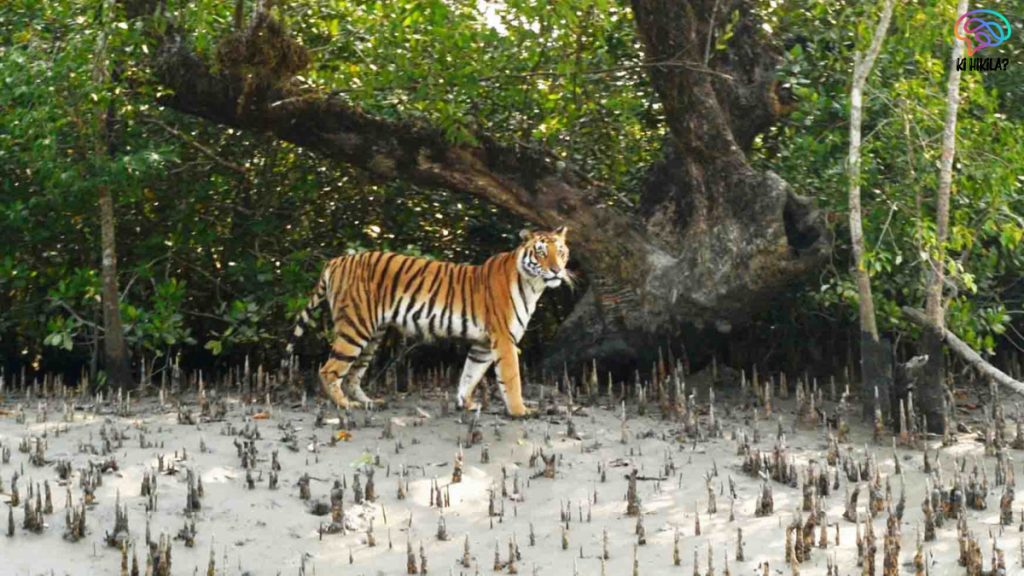
Experts also highlight that the Sundarbans’ unique mangrove habitat, home to the legendary “swimming tigers,” will now receive better protection, which indirectly safeguards the entire coastal ecosystem.
Challenges Ahead
Despite the optimism surrounding the expansion, Sundarbans Tiger Reserve faces serious challenges. Currently, the reserve operates with only 40% of its sanctioned manpower, severely limiting monitoring and enforcement.
Major challenges include:
- Staff Shortages: Without adequate personnel, managing the expanded reserve will be difficult.
- Financial Constraints: Funding gaps often delay infrastructure upgrades and conservation projects.
- Community Concerns: Local fishermen’s groups worry about how the expansion might restrict their traditional fishing zones.
Government officials, however, have clarified that the newly added areas fall under buffer zones, not the core zone, which means local livelihoods should not be significantly disrupted. Continuous dialogue with local communities will be key to ensuring peaceful coexistence.
Impact on Ecology and Communities
The Sundarbans Tiger Reserve is not just a tiger sanctuary but also a UNESCO World Heritage Site and a natural shield protecting coastal areas from cyclones and rising sea levels. Expanding STR enhances not only tiger conservation but also biodiversity protection for hundreds of species of fish, reptiles, birds, and mammals.

For local communities, the expansion could open new doors for eco-tourism-based employment if developed responsibly. However, achieving a balance between conservation goals and livelihood security will remain the ultimate test of the project’s success.
Conclusion
The expansion of Sundarbans Tiger Reserve to 3,629.57 square kilometres is a landmark step in India’s tiger conservation journey. While it presents opportunities for stronger wildlife protection and eco-tourism, the challenges of manpower, funding, and community engagement cannot be ignored.
For the Sundarbans—the only place in the world where tigers thrive in mangrove forests—this expansion represents hope. If implemented effectively, it could ensure the survival of its unique tiger population while preserving one of the planet’s most vital ecosystems.