Vande Mataram Six Stanzas: New Guidelines Define Official Rendition of the National Song

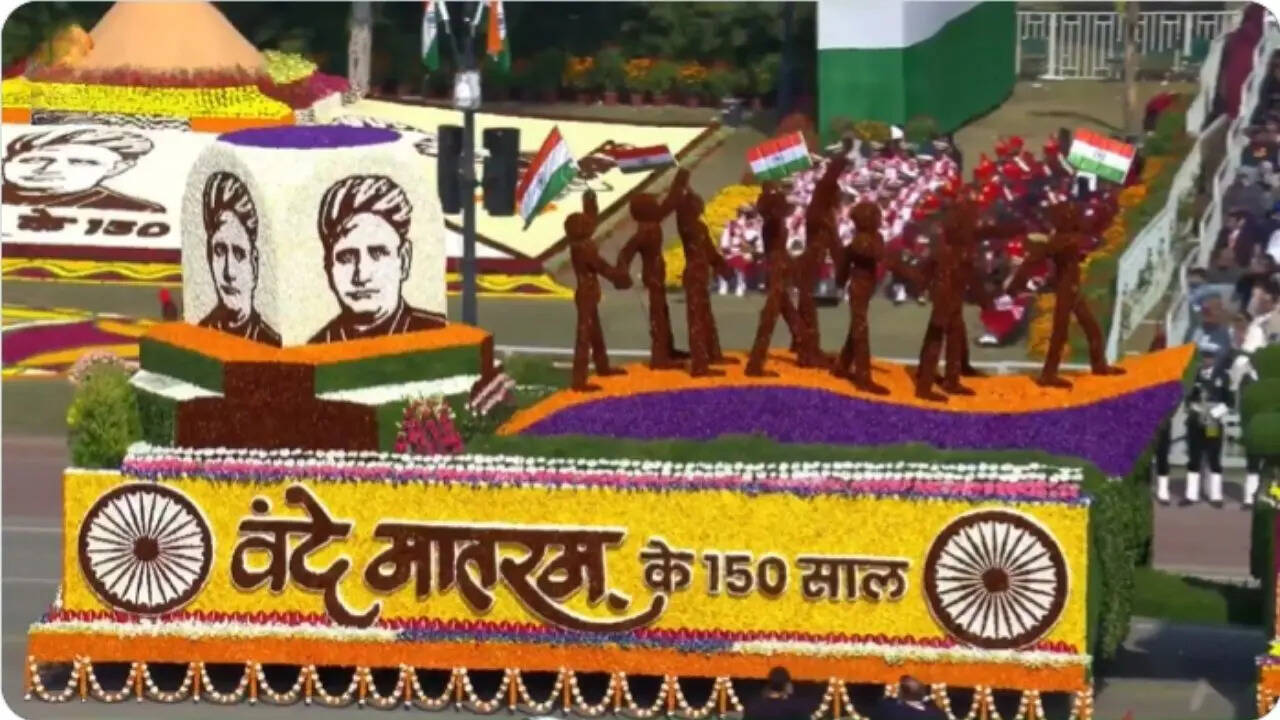
Vande Mataram Six Stanzas has come into national discussion after the Union Home Ministry issued fresh guidelines making it mandatory to sing all six stanzas of the national song at official functions and educational institutions. The directive, dated February 6, 2026, clearly defines what the government now calls the “official version” of Vande Mataram and lays down uniform rules for its performance. This decision has been announced in the year that marks 150 years since the song was first composed, adding historical importance to the move.
Thank you for reading this post, don't forget to subscribe!Background of the National Song
Vande Mataram was composed by Bankim Chandra Chatterjee, one of India’s most respected literary figures of the 19th century. The song first appeared in his novel Anandamath, published in 1882. Over time, the song became a powerful expression of patriotism and resistance against colonial rule.
For decades, Vande Mataram was sung widely during the freedom movement, especially in political meetings and public gatherings. However, in official settings, only the first two stanzas were commonly used. The new guidelines now bring the complete six-stanza version to the forefront, giving the song a more complete ceremonial presence.
Official Version and Fixed Duration
According to the new order, all six stanzas of Vande Mataram must be sung or played at government functions. The ministry has fixed the duration of the full rendition at 3 minutes and 10 seconds. This clear time limit is meant to ensure uniformity across events and avoid variations in performance length.
The guidelines also specify that everyone present during the rendition must stand in attention as a mark of respect. This rule applies to official and institutional events. However, the ministry has clarified that this will not be compulsory in cinema halls when the song is shown as part of a film or a newsreel. The reasoning given is that standing in such situations could disturb viewers or block their line of sight.
Where the Song Must Be Played
The instructions list several occasions where Vande Mataram will now be mandatory. At the national level, it will be played when the national flag is brought to a parade. It will also be included in all civilian award ceremonies and major state functions attended by the President of India.
In these events, the song will be played both on the arrival and departure of the President. In addition, Vande Mataram will be played before and after presidential addresses that are broadcast on state-run media such as Akashwani and Doordarshan.
At the state level, the song will be part of official functions marking the arrival and departure of governors or lieutenant governors. The aim is to maintain a common protocol across the country while respecting India’s federal structure.
Role of Schools and Public Events
Schools have been given a special role under the new guidelines. Educational institutions across India are now required to include group singing of Vande Mataram in their morning assemblies. This step is seen as a way to introduce younger generations to the full version of the national song and its historical meaning.
The guidelines also mention that informal public events attended by ministers may include the rendition of Vande Mataram. While not mandatory in every such case, the option allows flexibility while encouraging wider public engagement with the song.
Ceremonial and Performance Norms
To ensure dignity and consistency, the ministry has also outlined ceremonial instructions for performing Vande Mataram. When played by a band, a short drumroll will precede the song. Instruments such as the mridang or trumpet may be used for this opening sequence.
In marching drills, performers will take seven steps before the song begins. These details may appear small, but they are intended to standardise how the national song is presented, especially during formal ceremonies and parades.
Historical and Constitutional Context of Vande Mataram Six Stanzas
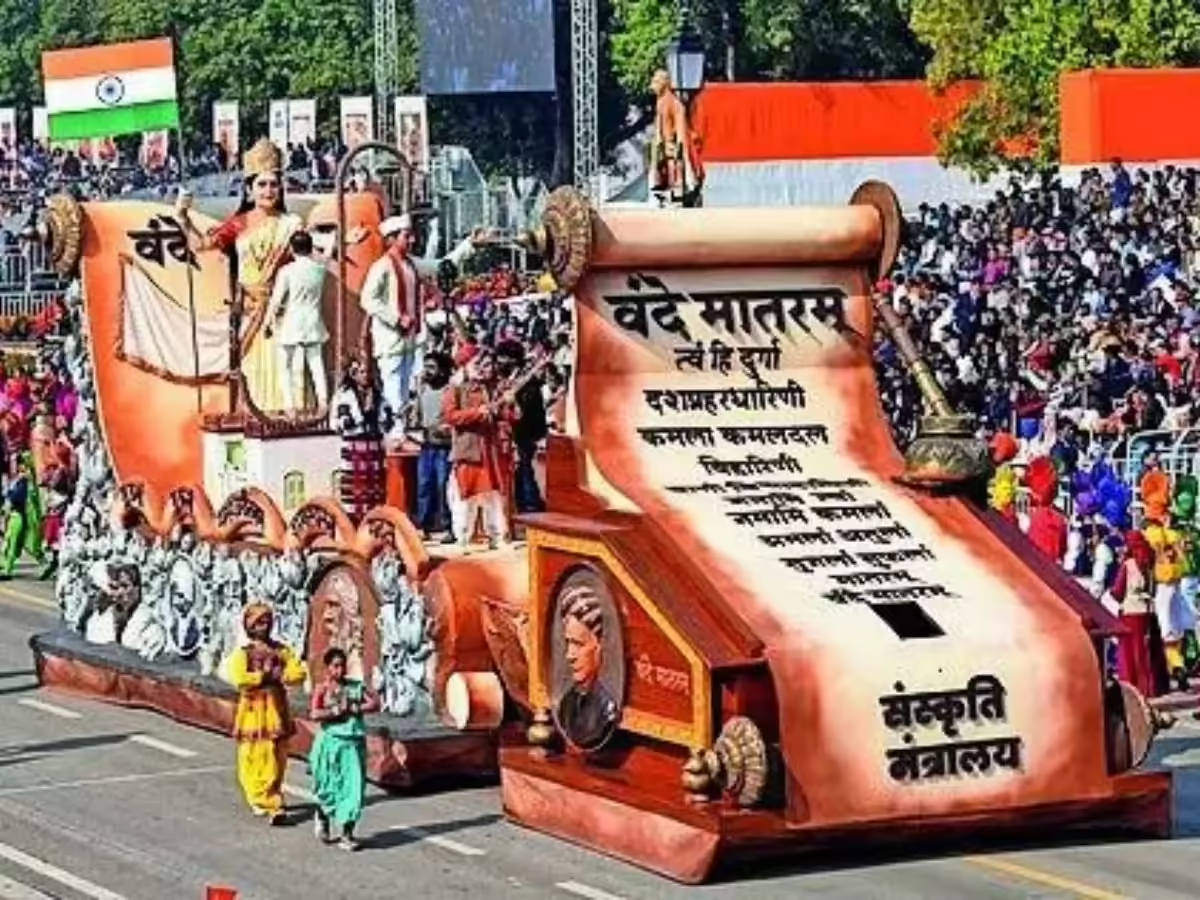
Vande Mataram holds a unique place in India’s national identity. During the freedom struggle, it became a rallying cry for millions. Leaders and citizens alike used the song to express unity and resistance against colonial rule.
It is important to note that Vande Mataram is India’s national song, not the national anthem. That status belongs to Jana Gana Mana. The Constitution of India does not list Vande Mataram as the anthem, but it recognises its deep emotional and historical value.
The latest directive does not change this distinction. Instead, it seeks to reinforce the ceremonial role of the national song in public life, especially during its 150th anniversary year. By formalising the use of all six stanzas, the government aims to honour the song in its complete form and ensure that its performance remains respectful, uniform, and meaningful across the country.
Through these updated guidelines, Vande Mataram is set to gain renewed visibility and significance, reminding citizens of its lasting place in India’s cultural and national heritage.