Youth Skills & Mentorship: Bridging India’s Education-to-Employment Gap

Youth Skills & Mentorship are becoming central to India’s growth story at a time when the country stands at a demographic crossroads. With more than 40 million students enrolled in higher education and over 10 million young people entering the labour market every year, India’s future depends on how well its youth move from classrooms to careers. Over the past decade, governments and institutions have expanded colleges, skill centres, internships, and first-job schemes. These steps show strong intent. Yet, for millions of young Indians, the path from education to stable work remains uncertain.
Thank you for reading this post, don't forget to subscribe!This gap is no longer just about the availability of degrees or training centres. It is increasingly shaped by confidence, exposure, guidance, and access to professional networks. As artificial intelligence and automation reshape entry-level jobs, these human factors are becoming even more important.
The hidden gap between learning and livelihood
On paper, India has made strong progress in education. Enrolment in colleges has risen, digital learning has expanded, and skilling programs now reach many districts. Still, many young people struggle when they step into the job market for the first time.
For first-generation learners, the challenge often begins with unfamiliarity. Interviews, workplace culture, communication norms, and career choices can feel overwhelming without anyone to guide them. Many students do not know how to present themselves, choose career paths, or recover from rejection.
Young women face even more layered barriers. Social expectations, safety concerns, limited mobility, and low self-belief often restrict their choices. Even after earning degrees, many hesitate to apply for jobs or drop out of the workforce early. These invisible barriers help explain why gains in education have not translated into equal gains in employment, especially for women.

Why technical skills alone are not enough
The world of work is changing fast. Automation and AI are altering entry-level roles across sectors. Employers today look beyond technical knowledge. Skills such as communication, adaptability, teamwork, and problem-solving now play a major role in hiring decisions.
These skills are difficult to build through textbooks or exams alone. They grow through real-life exposure, feedback, and interaction with professionals. Many young Indians, especially from smaller towns and modest backgrounds, lack these opportunities. As a result, a paradox emerges: students have degrees and certificates, but they still feel unprepared for work.
This mismatch affects not just individuals but also the economy. When young people delay employment or settle for roles below their potential, household confidence weakens and consumption growth slows.
Mentorship as a bridge to opportunity
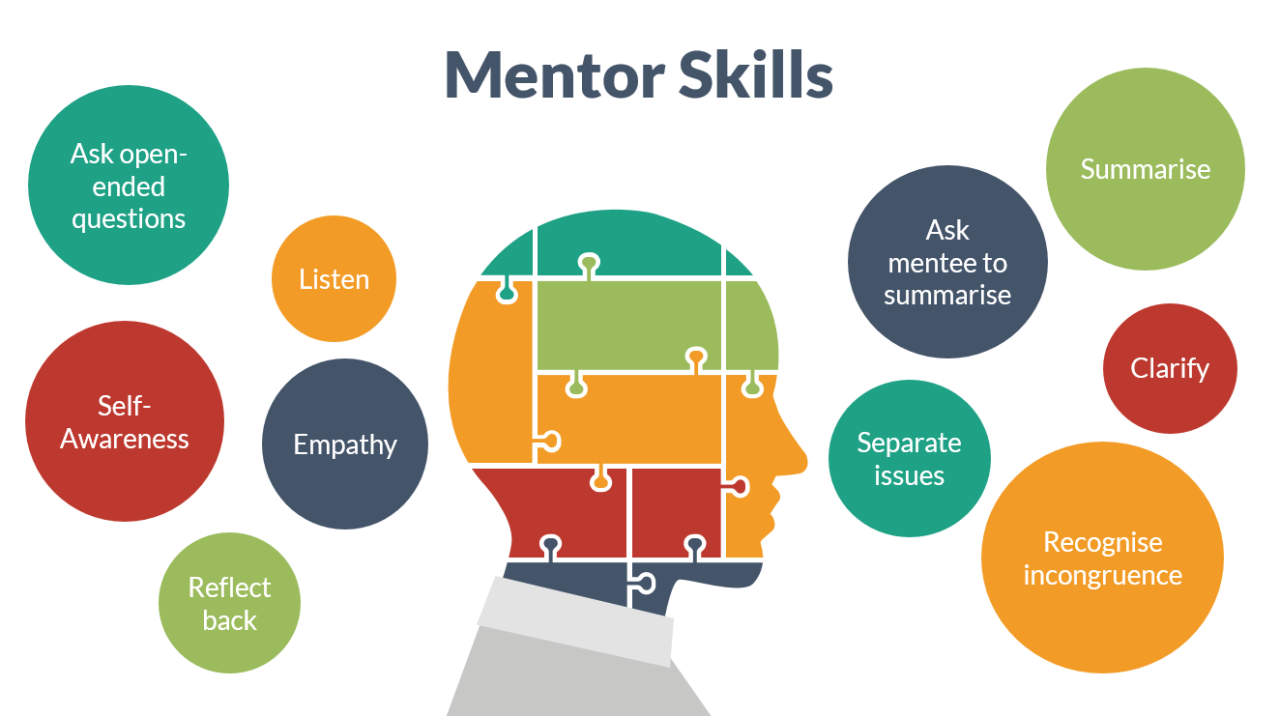
Across the world, mentoring has emerged as a powerful tool to support young people during key transitions. Mentorship provides what large systems often cannot: personal guidance, role models, honest feedback, and a safe space to ask questions.
In unequal societies, mentorship plays an even bigger role because it helps compensate for gaps in social capital. Not every family has professionals who can explain career paths or open doors. A mentor can fill that gap by sharing experience and encouragement.
Long-term mentoring work in India has shown clear benefits. Young people who receive mentoring report better career decisions, stronger confidence, improved communication, and greater awareness of workplace norms. They also develop a clearer sense of purpose and direction.
Why mentoring matters for young women
The case for mentoring is especially strong for young women. While women now enter higher education in large numbers, their participation in the workforce remains much lower. Many qualified women never take up jobs or leave within a few years.
Mentoring helps address this by building confidence and expanding networks. When young women interact with mentors who understand their challenges, their sense of what is possible changes. They gain clarity about balancing work and life, negotiating salaries, and handling workplace issues.
Stories from mentoring programs show how guidance can change outcomes. Students from public colleges, once unsure about their prospects, have accessed internships, apprenticeships, and full-time roles through mentor support. These individual journeys highlight how mentorship can convert education into real careers.
Networks and access to jobs
In today’s job market, networks matter as much as skills. Many roles are filled through referrals and connections rather than open advertisements. Young people with limited professional networks are at a clear disadvantage.
This gap is more pronounced for women, who often have smaller professional circles. Without role models or industry contacts, they may never hear about opportunities that match their qualifications.
Mentorship directly addresses this issue. By connecting young people to experienced professionals, it expands their access to information, referrals, and guidance. Over time, these connections help level the playing field.
Youth Skills & Mentorship in Public Policy and Government Systems
Recognising its value, mentoring is slowly entering mainstream policy in India. Government platforms focused on careers and employment are beginning to include mentoring components. Some states are rolling out mentoring programs across colleges and technical institutes.
This shift is important. Mentorship is no longer seen only as a voluntary or charitable effort. It is increasingly viewed as part of the human infrastructure needed to support education-to-employment pathways. National discussions and summits on mentoring have further highlighted the need for quality standards, inclusion, and safety.

The Role of Companies and Civil Society
Scaling mentorship requires collective effort. Governments can create enabling frameworks and integrate mentoring into education and employment systems. Non-profit organisations can design training, support mentors, and ensure safe and inclusive practices.
Companies also have a key role. When employees volunteer as mentors, they open doors that many young people would never access on their own. Corporate mentoring programs have already supported large numbers of students from smaller cities with career guidance, interview preparation, and networking skills.
Such efforts benefit companies too. Employees who mentor often develop stronger leadership, empathy, and communication skills. When mentoring becomes part of corporate responsibility and leadership development, it creates shared value.
A human response to a structural challenge
India’s youth population is one of its greatest strengths, but only if young people are supported through critical transitions. Youth Skills & Mentorship together offer a practical way forward. Skills provide the foundation, but mentorship adds confidence, direction, and access.
If even a small share of working professionals choose to mentor one young person each year, the impact could be far-reaching. Millions of young Indians would gain clarity, courage, and opportunity.
As India navigates technological change and seeks inclusive growth, mentoring stands out as a simple yet powerful idea: people helping people move forward. In doing so, it connects policy goals with real lives and turns potential into progress.