Zhao Zongqi Removal From China’s CPPCC

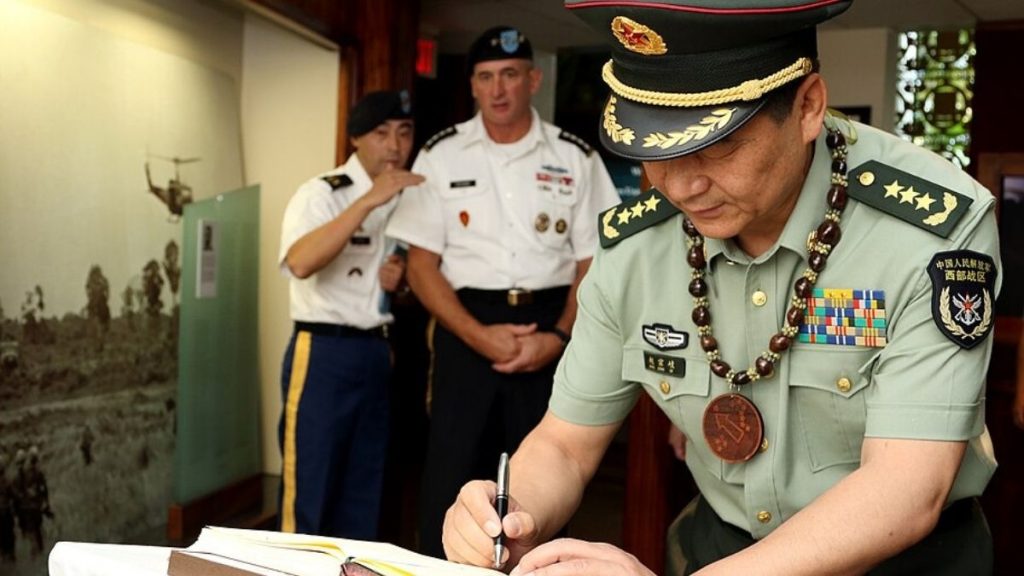
Zhao Zongqi Removal from China’s top political advisory body has drawn attention to changes taking place within the country’s political and military leadership. General Zhao Zongqi was removed from the Standing Committee of the 14th National Committee of the Chinese People’s Political Consultative Conference (CPPCC) on 26 August 2026. He also lost his membership in the CPPCC and his position as Vice Chairman of its Committee on Ethnic and Religious Affairs.
The decision comes amid wider reports of disciplinary investigations and leadership changes involving senior figures in China’s military. Zhao is a former senior commander of the People’s Liberation Army (PLA) and previously led the Western Theatre Command, which is responsible for China’s western strategic region, including areas along the border with India.

CPPCC and Its Role in China
The Chinese People’s Political Consultative Conference is an important political advisory institution in China. It works alongside the National People’s Congress within the country’s political system.
The CPPCC includes members from the Communist Party of China, other recognised political parties, mass organisations and people from different professional and social backgrounds. Unlike the National People’s Congress, the CPPCC does not function as a legislative chamber. Its role mainly involves consultation, discussion and political participation.
Members of the CPPCC can hold positions in specialised committees dealing with areas such as ethnic affairs, religious affairs, economic matters, social development and foreign relations.
Zhao Zongqi’s removal means that he no longer holds a position in this national political advisory structure.
Zhao Zongqi and the Western Theatre Command
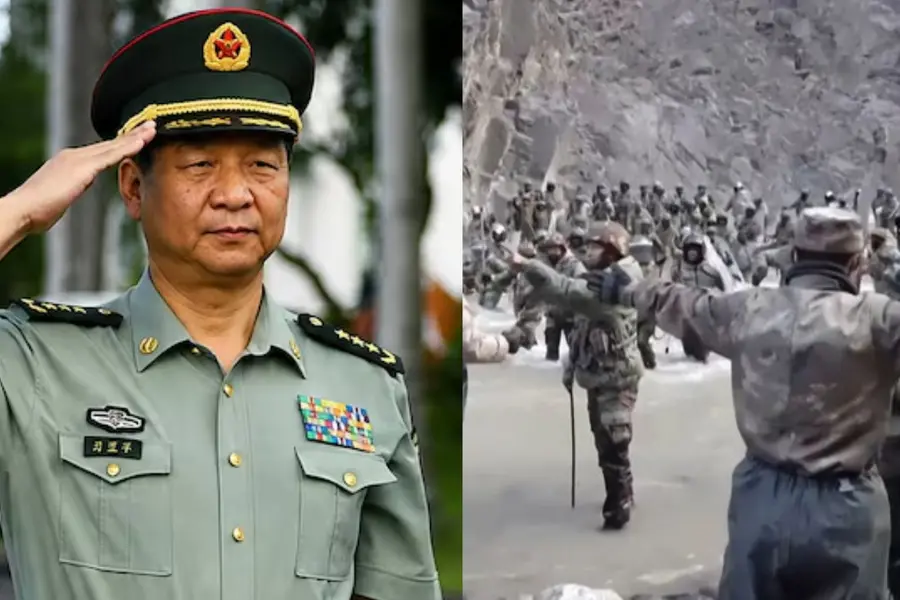
General Zhao Zongqi was a senior PLA officer who served as commander of the Western Theatre Command from 2016 until December 2020.
The Western Theatre Command is one of the five major theatre commands of the Chinese military. It covers a large part of western China and has responsibility for important strategic areas, including regions bordering India.
The command structure is significant because the India-China boundary includes a long and disputed frontier. Military forces from both countries have maintained deployments in several areas along the Line of Actual Control.
Zhao’s tenure as Western Theatre Command commander included a period when military tensions along the India-China border increased.
Background of the 2020 Galwan Clash
The removal has also attracted attention because Zhao was associated with China’s Western Theatre Command during the period surrounding the 2020 border crisis.
On 15 June 2020, Indian and Chinese troops clashed in the Galwan Valley in eastern Ladakh. The confrontation resulted in the deaths of 20 Indian soldiers and at least four Chinese soldiers, according to officially reported figures.
The Galwan incident became a major turning point in India-China relations. It led to increased military deployments, infrastructure development and diplomatic negotiations between the two countries.
The Line of Actual Control, or LAC, is the de facto boundary separating areas controlled by India and China in several sectors. However, the two countries have different perceptions of parts of the LAC, which has contributed to repeated tensions.
Wider Changes in the Chinese Military
Zhao Zongqi’s removal comes during a period of major changes within China’s military leadership.
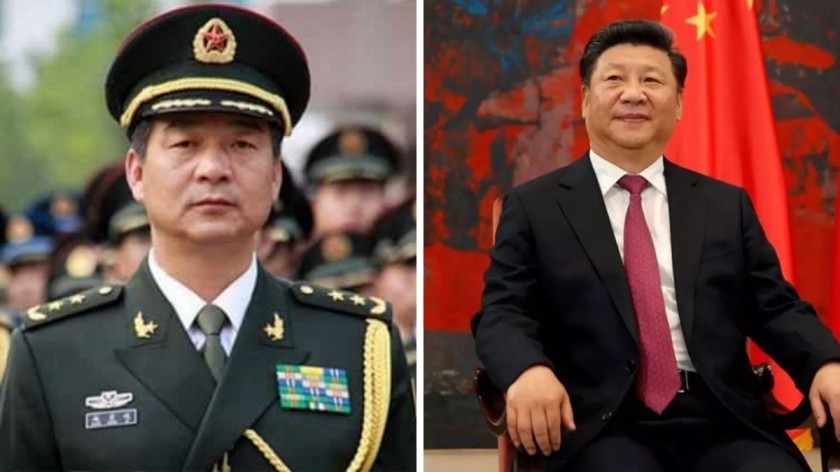
President Xi Jinping has placed strong emphasis on discipline, military modernisation and political control over the PLA. In recent years, senior military officials have faced investigations and disciplinary action as part of China’s broader anti-corruption campaign.
Reports in 2026 have pointed to a wider removal of senior PLA officers. An assessment by the Centre for Strategic and International Studies earlier in the year reported that a significant number of senior military officers had been dismissed or had disappeared from public positions.
Such changes can affect the structure of China’s military leadership and the distribution of responsibilities among senior commanders.
Central Military Commission
The Central Military Commission is the most important military command institution in China. It oversees the country’s armed forces and plays a central role in military appointments and strategic decisions.
The commission is headed by President Xi Jinping, who also serves as the Communist Party of China’s General Secretary.
Senior military appointments are closely linked to the Central Military Commission. Therefore, changes involving high-ranking generals can have implications for the leadership and management of the PLA.
In August 2026, reports also indicated that senior generals Zhang Youxia and Liu Zhenli were removed from the state Central Military Commission following investigations related to alleged serious violations of discipline and law.
These developments have increased international interest in the stability and direction of China’s military leadership.
Why the Western Theatre Command Matters
The Western Theatre Command has particular strategic importance because of its geographical responsibilities.
It covers China’s western regions and includes areas close to India, Pakistan and other neighbouring countries. The command also has responsibilities related to security in areas such as Tibet and Xinjiang.
For India, developments involving senior commanders associated with the Western Theatre Command are closely watched because of the continuing boundary issue.
Both India and China have continued diplomatic and military discussions aimed at maintaining peace along the border. Military commanders and political leaders play important roles in implementing agreements and managing tensions along the LAC.
Impact on India-China Relations
India-China relations have gradually involved diplomatic engagement alongside military preparedness since the 2020 border crisis.
Both sides have held several rounds of military commander-level talks and diplomatic discussions to address border-related concerns. Disengagement at some friction points has helped reduce immediate tensions, although broader boundary differences remain unresolved.
Changes in China’s senior military leadership could influence how Beijing manages its border commands and military policies. However, the removal of an individual official does not by itself indicate a change in China’s overall policy towards India.
The Western Theatre Command remains an important part of China’s military structure because of its responsibility for the western frontier.
Military Discipline Under Xi Jinping
Military discipline has become a major focus under Xi Jinping. China’s leadership has repeatedly stressed the need to strengthen political loyalty, combat corruption and improve military readiness.
The PLA has undergone extensive modernisation involving new weapons, command structures, technology and joint operations. At the same time, disciplinary investigations have affected several senior military officials.
The leadership changes show that China’s military modernisation is taking place alongside efforts to restructure and strengthen internal discipline.
The removal of Zhao Zongqi from the CPPCC therefore comes within a broader period of political and military changes in China, while his earlier role in the Western Theatre Command keeps the development relevant to the security situation along the India-China frontier.