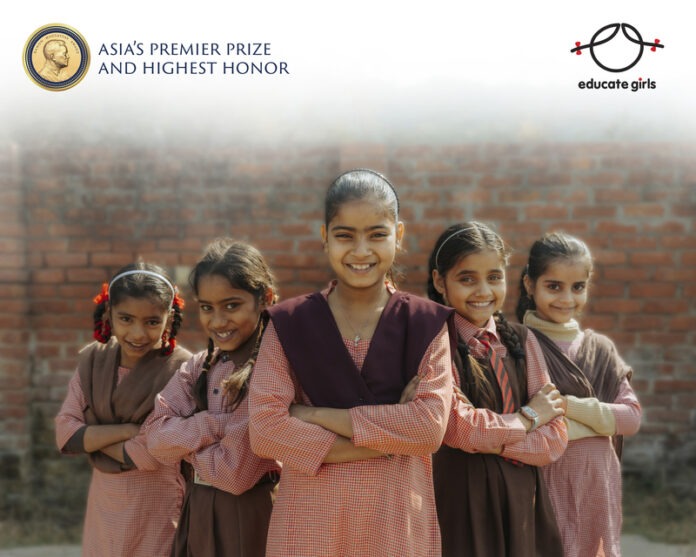
The Ramon Magsaysay Award has once again spotlighted extraordinary efforts in public service and social transformation across Asia. In 2025, India celebrated a historic moment as Educate Girls, an organisation dedicated to empowering girls and young women, became the first Indian institution to receive this prestigious recognition. Their impactful work in challenging deep-rooted cultural stereotypes and promoting education has placed them on a global pedestal.
Thank you for reading this post, don't forget to subscribe!Educate Girls’ Journey to Recognition
Educate Girls has long been at the forefront of addressing gender inequality in education. In many communities across India, girls face social and cultural barriers that prevent them from completing their education. These barriers range from household responsibilities and early marriages to deeply ingrained beliefs that prioritize boys’ schooling over girls’.
The organisation has worked tirelessly to change this narrative. By enrolling out-of-school girls, training them in essential skills, and equipping them with confidence, Educate Girls has provided thousands with the opportunity to break free from illiteracy. Their mission is not just about literacy but about helping girls realise their full potential and play an active role in shaping their futures.
The Ramon Magsaysay Award in 2025 has validated this mission. For India, it is a matter of pride, as this marks the first time an organisation from the country has been honoured with this distinguished prize.
Other Awardees of 2025
Alongside Educate Girls, two other remarkable individuals were celebrated for their public service. Shaahina Ali from the Maldives was honoured for her pioneering contributions to community welfare, while Flaviano Antonio L Villanueva received recognition for his dedicated service to underprivileged communities. Together, the awardees represent Asia’s spirit of resilience, service, and leadership.
About the Ramon Magsaysay Award
Established in 1957, the Ramon Magsaysay Award is often referred to as Asia’s equivalent to the Nobel Prize. It honours individuals and organisations whose selfless service, leadership, and integrity uplift communities across the continent. The award was created through the Rockefeller Brothers Fund in partnership with the Philippine government to commemorate the ideals of former Philippine President Ramon Magsaysay, who was admired for his honesty and deep connection with ordinary citizens.
Winners are announced every year on August 31, which coincides with President Magsaysay’s birth anniversary. The awards ceremony is held in Manila each November, where recipients are formally presented with a medallion bearing Ramon Magsaysay’s profile and a certificate of recognition.
Selection and Presentation
The process of choosing recipients is meticulous and highly confidential. The Ramon Magsaysay Award Foundation’s board of trustees carefully reviews nominations and conducts independent investigations into the work and impact of potential awardees. Only those who demonstrate outstanding leadership, unwavering integrity, and significant contributions to society are selected.
The ceremony itself is a momentous occasion, attended by international dignitaries, leaders, and past awardees. Receiving the medallion and certificate is considered one of the highest honours in Asia, cementing the recipient’s place among transformative leaders of the continent.
Why Educate Girls’ Award Matters
The recognition of Educate Girls highlights the global importance of education, especially for women and girls. Education is more than learning it is the gateway to equality, empowerment, and societal progress. By promoting literacy, leadership, and life skills, Educate Girls is challenging centuries-old traditions that hold women back.
This award is not just a milestone for the organisation but also a reminder of the critical role education plays in social transformation. It draws attention to the urgency of investing in gender equality, not only in India but across Asia and beyond.
Remembering Ramon Magsaysay
The award’s significance is closely tied to the legacy of Ramon del Fierro Magsaysay, the seventh President of the Philippines. Born in 1907 to a blacksmith father and teacher mother, his humble beginnings shaped his empathy for ordinary citizens. He worked as an automobile mechanic before rising to prominence during World War II as a guerrilla leader against Japanese occupation.
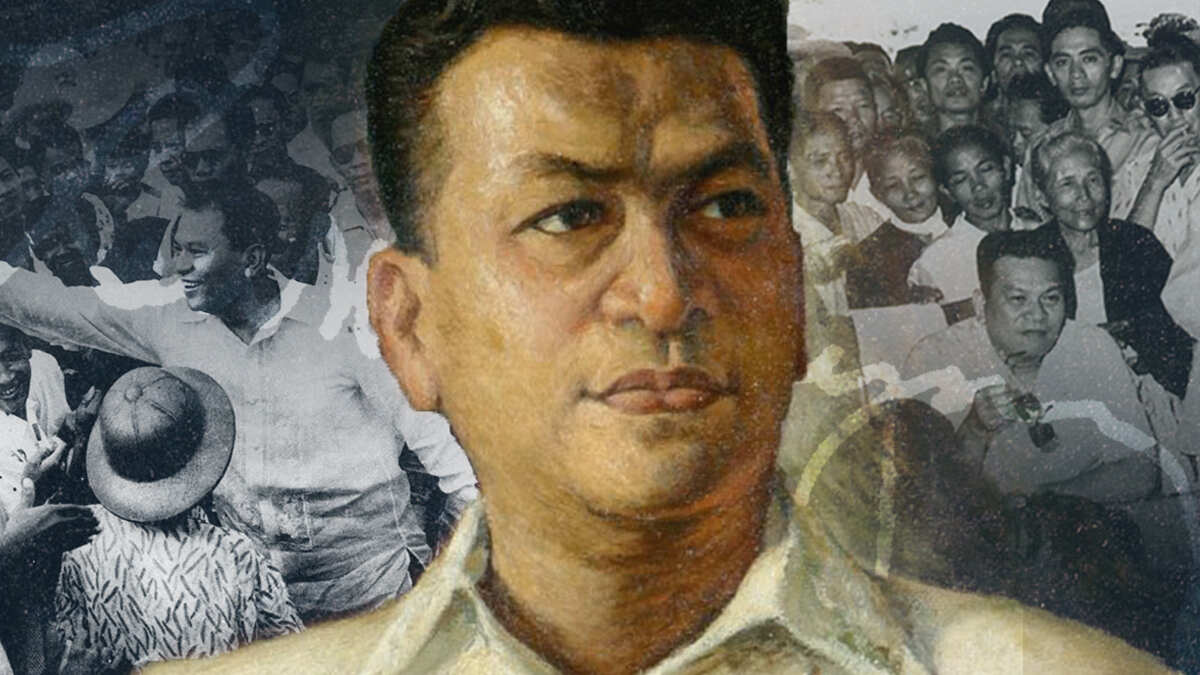
After the war, Magsaysay entered politics, serving as a Congressman and later as Secretary of National Defence. His integrity, humility, and dedication earned him the presidency in 1953. Known as “the people’s president,” he championed reforms and fought corruption. Tragically, his life was cut short in 1957 in a plane crash, but his legacy of service continues to inspire through the award named in his honour.
Past Indian Recipients of the Award
India has a rich history of Ramon Magsaysay Award laureates, though all have been individuals until now. Among them are:
- Arvind Kejriwal for his work in grassroots activism and promoting transparent governance.
- Ravish Kumar, a journalist recognised for fearless reporting.
- Bezwada Wilson, honoured for his fight against manual scavenging and caste-based discrimination.
- Sonam Wangchuk, celebrated for innovative solutions in education and sustainable development.
With Educate Girls now joining this illustrious list, India’s contributions to social reform and leadership gain even greater recognition.
A Step Toward the Future
The Ramon Magsaysay Award bestowed on Educate Girls in 2025 is more than a celebration it is a call to action. It emphasises that true progress lies in empowering those who are often left behind, especially women and girls. By investing in education and equality, societies can unlock human potential and create lasting change.
As the world applauds Educate Girls, the award also serves as an inspiration for countless others working quietly to uplift their communities. In the spirit of Ramon Magsaysay himself, it reaffirms that genuine leadership and service to humanity can leave a legacy far beyond a lifetime.