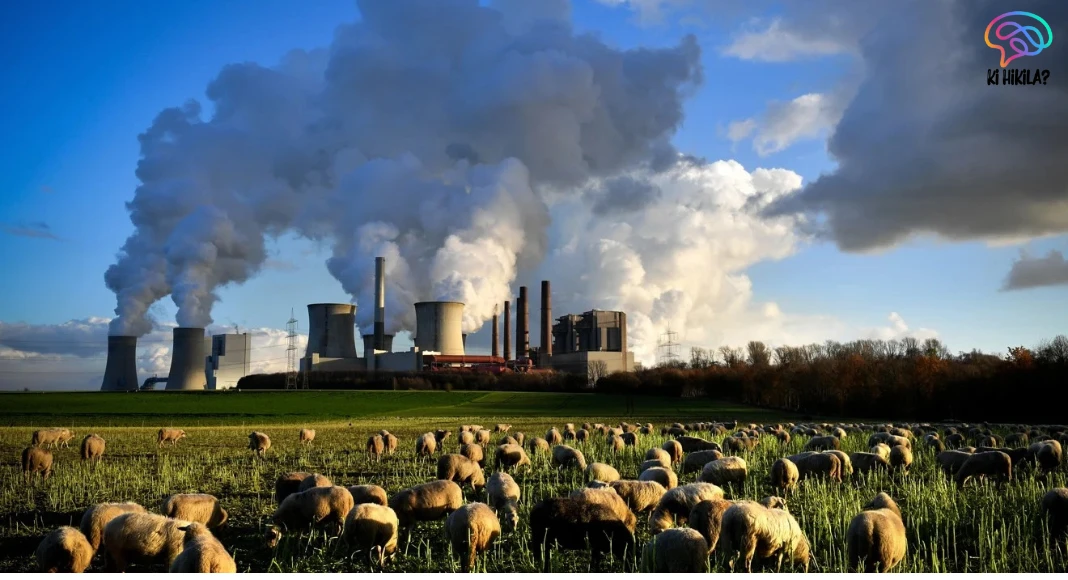
Greenhouse Gas Emissions in 2025 Show a Mixed Global Picture

Greenhouse Gas Emissions remain one of the most pressing challenges of our time, and the latest data from early 2025 paints a complex picture of progress and setbacks. While some countries like India and China have successfully reduced emissions in their power sectors, global totals continue to climb due to the world’s persistent reliance on fossil fuels. The United States in particular remains a major driver of rising emissions, underscoring the urgent need for a faster global energy transition.
Thank you for reading this post, don't forget to subscribe!Global Emission Trends in Early 2025
Between January and June 2025, worldwide greenhouse gas emissions reached an estimated 31 billion tonnes of CO2-equivalent. This figure represents a modest but troubling increase of 0.13 per cent compared with the same period in 2024. In June alone, emissions rose by 0.29 per cent year-on-year, reflecting continued challenges in curbing global warming.
Beyond carbon dioxide, methane emissions showed an even sharper rise of 0.49 per cent during the same period. Since methane has a far greater heat-trapping ability than CO2 over the short term, this surge intensifies concerns about global warming and highlights the need for broader action beyond carbon reduction.
Fossil Fuels as the Primary Driver
The central factor behind rising greenhouse gas emissions remains fossil fuel consumption. Global fossil fuel use increased by 1.5 per cent in the first half of 2025, resulting in an additional 78 million tonnes of CO2-equivalent released into the atmosphere. More than half of this growth originated from the United States, where heavy dependence on coal, oil, and gas continues despite international appeals to embrace clean energy.
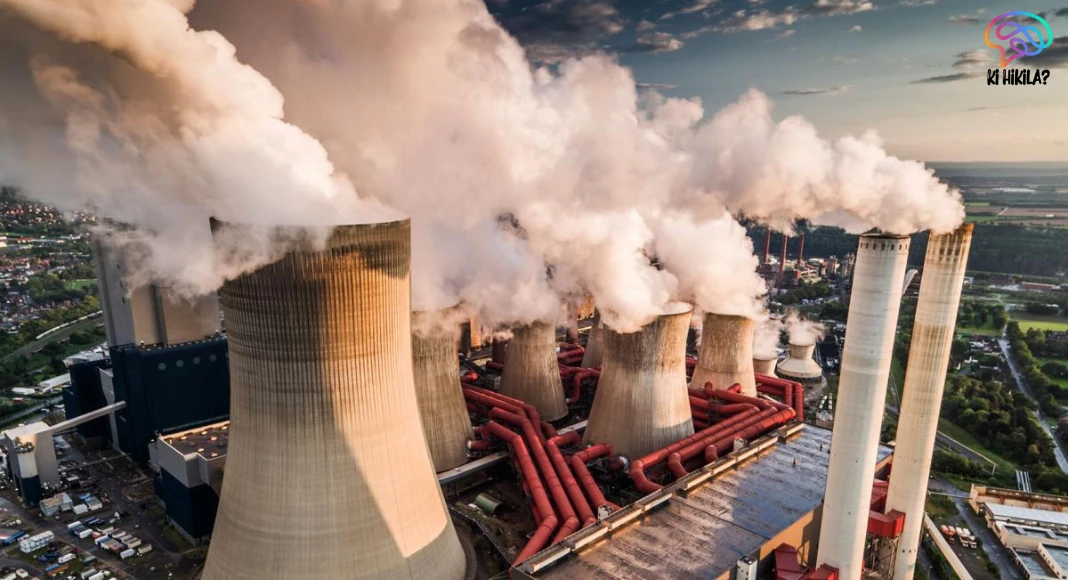
This reliance offsets the progress achieved by other countries, creating a net rise in emissions that complicates global climate targets. Experts warn that without significant reductions in fossil fuel production and consumption, the chances of keeping global temperature rise within the Paris Agreement limits are rapidly diminishing.
Decline in Power Sector Emissions
One positive development is the decline in emissions from the power sector. Globally, power sector emissions dropped by over 60 million tonnes of CO2-equivalent in early 2025. China led the way with a 1.7 per cent reduction, reflecting its substantial investments in renewable energy and greater efficiency. India also contributed with a 0.8 per cent decrease, showing momentum in solar and wind energy deployment.
These figures demonstrate that large-scale renewable adoption can make measurable differences. However, the reductions achieved by China and India were not enough to counteract the surge in emissions from other sectors, leaving overall global totals on an upward trend.
Manufacturing and Other Sector Emissions
While the power sector showed encouraging results, emissions from manufacturing and industrial activities rose by 0.3 per cent. Increased manufacturing output in countries such as India, Vietnam, Indonesia, and Brazil drove this upward trend. In addition, other sectors like transportation and industrial processes contributed to rising emissions in regions including the European Union and Southeast Asia.
This uneven progress illustrates the difficulty of achieving comprehensive decarbonisation across all industries. Gains in one sector are often overshadowed by setbacks in others, highlighting the importance of adopting a whole-economy approach to emission reductions.
International Climate Commitments and Legal Pressure
The legal and policy landscape is also shifting in response to rising greenhouse gas emissions. The International Court of Justice recently issued a strong warning, noting that failure by governments to reduce fossil fuel production and consumption could be interpreted as an internationally wrongful act. This statement raises the stakes for policymakers, suggesting potential legal consequences for inaction.
Meanwhile, the Intergovernmental Panel on Climate Change (IPCC) continues to stress the urgency of action. According to its recommendations, emissions must peak before 2025 and then fall sharply by 2030 in order to keep global warming within 1.5 degrees Celsius. The current trajectory, however, suggests that these goals will be difficult to achieve without immediate, large-scale changes.
Challenges to Meeting Global Climate Goals
Despite strong warnings and growing international commitments, fossil fuel use increased significantly in 2024 and the trend has continued into 2025. Rising natural gas demand is a key contributor, especially in industrialised nations. This ongoing reliance threatens to undermine advancements made in renewable energy adoption.
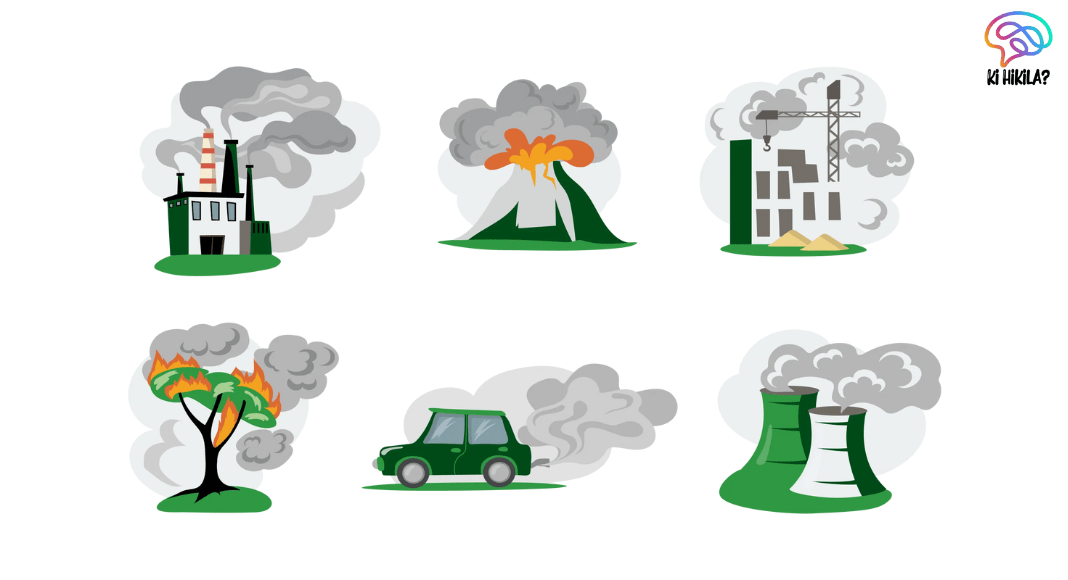
The challenge is clear: renewable energy deployment is expanding, but not at a pace sufficient to replace fossil fuels entirely. Without more aggressive measures such as carbon pricing, stricter regulations, and stronger global cooperation, greenhouse gas emissions will continue to climb, making it increasingly difficult to meet international climate targets.
The Road Ahead
The trajectory of greenhouse gas emissions in 2025 highlights both opportunities and urgent challenges. Reductions in the power sector show that renewable energy investments deliver measurable benefits, but growing emissions from manufacturing and fossil fuel use counteract these gains. Legal and scientific institutions are calling for stronger action, but the political and economic barriers remain formidable.
The world now stands at a crossroads. If current trends persist, achieving the climate goals outlined in global agreements will become nearly impossible. On the other hand, if nations act decisively to curb fossil fuel dependence and accelerate the transition to renewables, there remains a chance to slow the rise in emissions and stabilise the climate system.