Crocothemis Erythraea: Rare Dragonfly Rediscovered in the Western Ghats

Crocothemis Erythraea, a rare dragonfly species, has been confirmed in the high-elevation landscapes of the southern Western Ghats. For years, this species remained hidden in plain sight, often misidentified as the more common Crocothemis servilia found across lowland regions of India. Recent research using a combination of detailed field expeditions and molecular techniques has finally established the true presence of Crocothemis erythraea in these montane habitats. The discovery is being hailed as a major step forward in biodiversity documentation and scientific accuracy.
Thank you for reading this post, don't forget to subscribe!Species Rediscovery and Importance
For decades, entomologists in India struggled to differentiate Crocothemis erythraea from its widespread relative Crocothemis servilia. The similarities between the two made it challenging to identify them in the field, leading to widespread confusion. While Crocothemis servilia thrives in warm lowland regions, Crocothemis erythraea is known for its preference for cooler, high-altitude habitats across parts of Europe, Asia, and the Himalayas. The absence of physical evidence from southern India left researchers uncertain about its actual distribution. The confirmation of its presence in the Western Ghats now adds a new dimension to the understanding of Indian odonate diversity.
Field Expeditions and Scientific Methods
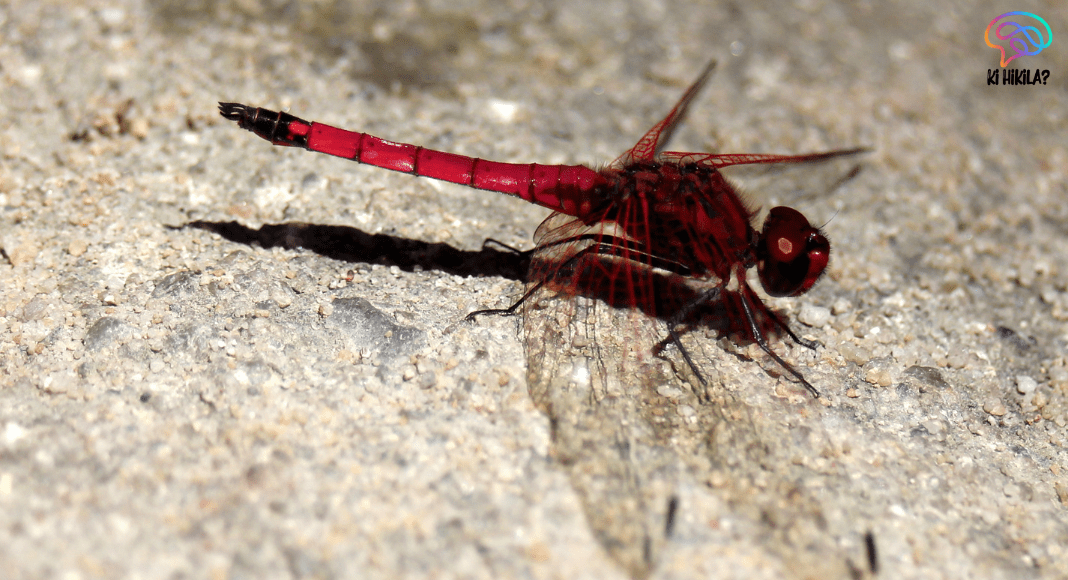
Between 2019 and 2023, a series of focused expeditions were carried out in high-elevation areas of Kerala and Tamil Nadu. Sites such as Wagamon, Rajakumari, Pampadum Shola, and Parambikulam became the center of attention for odonate researchers. Collecting specimens from these regions allowed scientists to conduct a deeper investigation using both traditional taxonomy and advanced tools. Morphological study revealed subtle but critical differences, particularly in the male genital structures, where the hamule played an important role in distinguishing species.
To strengthen these findings, researchers used DNA barcoding, a powerful molecular tool that helps identify genetic differences. The results were striking. Specimens from the Western Ghats matched closely with Crocothemis erythraea found in the Himalayan belt, leaving no room for doubt about their identity. This combination of classical taxonomy and modern science has now firmly established the presence of Crocothemis erythraea in peninsular India.
Habitat Preferences and Distribution
One of the key revelations of this study is the distinct habitat preference of Crocothemis erythraea. The species is now confirmed to occur only in cool, high-altitude environments above 550 metres. These include montane shola forests, grasslands, and freshwater streams nestled within the Western Ghats. In contrast, Crocothemis servilia continues to dominate the warmer lowlands below 600 metres. This clear altitudinal segregation explains why earlier surveys often misidentified the two species. It also highlights the role of elevation and microclimate in shaping the distribution of biodiversity in tropical regions.
Historical Insights from Biogeography
The rediscovery of Crocothemis erythraea also provides fascinating insights into the history of species dispersal in South Asia. Researchers suggest that the species likely colonised southern India during the Pleistocene Ice Age. During that period, cooler climates allowed temperate species to expand their range further south. As the climate warmed in later ages, most populations of these species retreated northward or became restricted to cooler high-altitude refuges. The Western Ghats, with their unique montane ecosystems, became safe havens where species like Crocothemis erythraea could persist in isolated pockets. Today, locations such as Munnar, Wagamon, and Parambikulam serve as living archives of this climatic history.
Significance for Conservation and Science
The confirmation of Crocothemis erythraea in the southern Western Ghats carries far-reaching implications for science and conservation. Firstly, it clarifies the long-standing confusion between the two species of Crocothemis found in India. Secondly, it underscores the importance of field-based biodiversity studies backed by molecular tools, which can resolve complex taxonomic puzzles. Thirdly, it adds weight to the argument that the Western Ghats are not just tropical biodiversity hotspots but also critical refuges for species with temperate affinities.
The findings also enrich the ecological understanding of montane systems. High-altitude habitats often serve as climate refuges, protecting species that would otherwise vanish due to global warming and habitat degradation. The survival of Crocothemis erythraea in these pockets illustrates the resilience of nature but also warns of the fragility of such ecosystems. Human activity, habitat destruction, and climate change could easily threaten these isolated populations if timely conservation measures are not implemented.
Broader Context in Biodiversity Research
The rediscovery of Crocothemis erythraea highlights the need for a renewed focus on insect diversity in India. While large mammals and birds often capture public attention, invertebrates like dragonflies play equally important roles in ecosystems. They serve as indicators of freshwater health, predators of pest species, and contributors to ecological balance. Documenting and conserving them is therefore vital not just for science but also for maintaining the integrity of natural systems.
The Western Ghats, recognised as a UNESCO World Heritage Site, continue to reveal hidden biodiversity treasures. Studies like this remind us that even in regions long studied by naturalists, there remain species awaiting proper identification and documentation. Crocothemis erythraea is a reminder of the surprises that nature holds and the importance of combining curiosity with rigorous science.
Looking Ahead
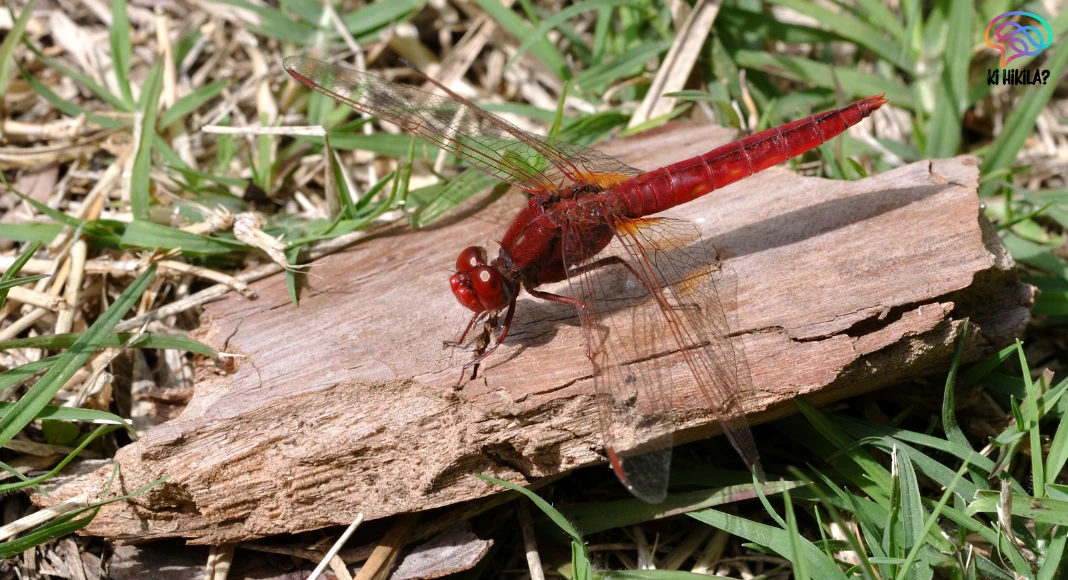
The presence of Crocothemis erythraea in southern India offers opportunities for further ecological research, including studies on its breeding biology, population size, and adaptation to montane conditions. It also calls for greater collaboration between taxonomists, molecular biologists, and conservationists. Strengthening field research programs in biodiversity hotspots like the Western Ghats can uncover more hidden species, refine our understanding of distribution patterns, and inform conservation strategies.
As pressures on natural ecosystems continue to mount, documenting and safeguarding rare species like Crocothemis erythraea becomes both a scientific duty and a conservation priority. The rediscovery of this dragonfly in the high-elevation forests and grasslands of the Western Ghats serves as a testament to the value of persistent research and a reminder of the delicate threads that connect biodiversity, climate history, and human stewardship.