Tropical Deforestation Deaths: How Forest Loss is Claiming Thousands of Lives Annually

Recent research highlights a chilling reality tropical deforestation deaths are not just an environmental concern, but also a growing human health crisis. Between 2001 and 2020, deforestation in tropical regions contributed to nearly 28,000 excess deaths every year. By stripping away vital tree cover, forest loss is driving local temperature spikes, leaving millions of people exposed to extreme heat. The impacts are felt most severely in South-east Asia, followed by tropical Africa and the Americas, where populations already face significant climate and health challenges.
Thank you for reading this post, don't forget to subscribe!Deforestation and Local Temperature Rise
One of the clearest outcomes of deforestation is its direct effect on local climate. Tropical forests act as natural air conditioners, regulating temperature through shade and evapotranspiration. With large swathes of these forests being cleared, daytime land surface temperatures have risen by an average of 0.27°C.
Some regions face even more severe warming. South Asia recorded the highest increase at +0.72°C, while Central and South America experienced a rise of +0.34°C and tropical Africa saw +0.10°C. In certain deforested pockets, the temperature spike has reached 0.7°C or more, a sharp and dangerous change within just two decades.
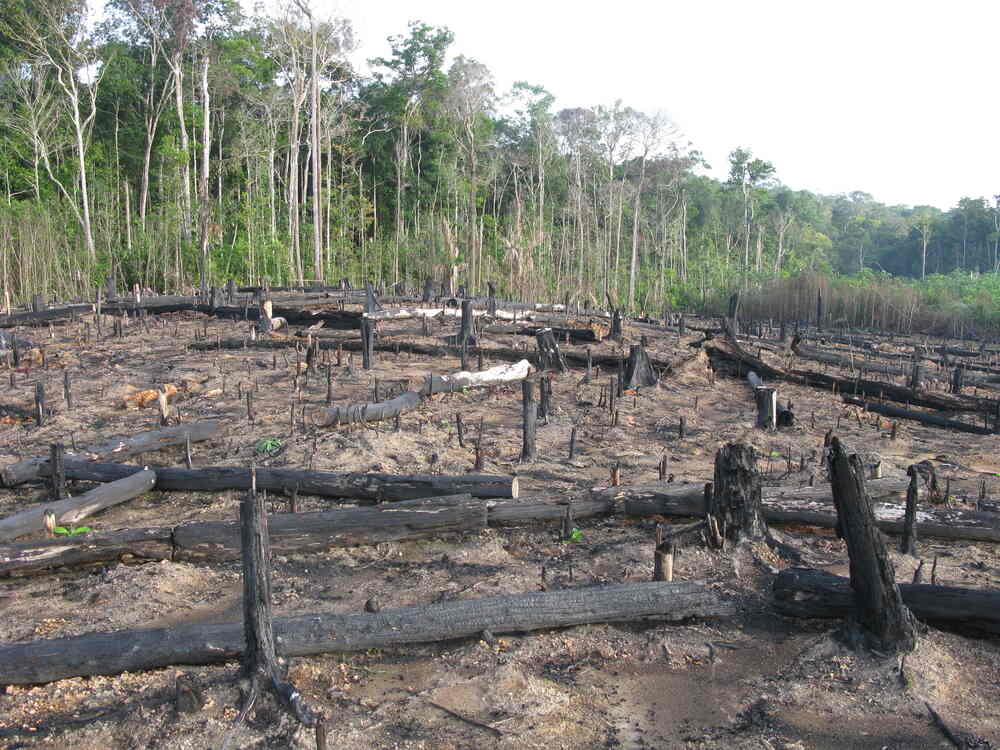
Hotspots such as the southern Amazon, Sumatra, and Kalimantan in Indonesia showcase how deforestation amplifies local heat. These areas, often cleared for agriculture, palm oil plantations, and logging, lose not only their tree cover but also their ability to shield communities from intense sunlight. As a result, once-habitable environments are becoming heat-stressed zones, with significant consequences for human health.
Scale of Exposure: Tropical Deforestation Deaths
The scale of human exposure to deforestation-induced warming is alarming. Research shows that nearly 345 million people live in areas directly affected by this heat increase. Within this group, 33 million endure warming of over 1°C, 8 million face rises beyond 2°C, and 2.6 million struggle with extreme spikes of 3°C or more.
Given that the tropical belt is home to over 3.5 billion people, about 13% of its population now resides in regions where forest loss has intensified heat conditions. South-east Asia, tropical Africa, and Central and South America are at the epicenter of this problem. In densely populated nations like Indonesia, India, and Brazil, the compounded risks of deforestation, rising temperatures, and limited adaptation capacity leave millions increasingly vulnerable to deadly heat exposure.
Health Consequences of Tropical Deforestation Deaths
The human toll of deforestation-induced warming is stark. Heat exposure linked to forest loss is estimated to cause 28,330 non-accidental deaths every year. The highest mortality occurs in South-east Asia, where Indonesia stands out due to its dense population and alarming deforestation rates.
Tropical Africa follows, with nearly 9,900 excess deaths annually, while Central and South America face thousands more. These deaths are not only numbers on a chart but real losses—families losing loved ones, communities burdened by premature mortality, and public health systems stretched thin.
Beyond mortality, heat from deforestation affects day-to-day living. Elevated temperatures impair cognitive function, making it harder for people to work, study, or carry out basic tasks safely. For outdoor laborers, the effects are devastating. Between 2003 and 2018, approximately 2.8 million workers lost access to safe thermal working conditions. This loss translates into reduced productivity, declining income, and worsened poverty, compounding the inequality in already vulnerable regions.
Environmental and Global Implications
The effects of deforestation extend beyond local health crises. Forests are critical carbon sinks, and their destruction releases massive amounts of carbon dioxide into the atmosphere. From 2014 to 2023, tropical deforestation released an average of 1.7 gigatonnes of CO₂ annually roughly 15% of all human-caused global emissions.
This means deforestation not only raises local temperatures but also accelerates global climate change, feeding into broader cycles of extreme heat, storms, droughts, and rising sea levels. Importantly, researchers note that current mortality estimates are conservative. They exclude deaths linked to indirect climate impacts and those caused by warming in areas outside of deforested regions. The real human toll could therefore be far higher.
Regional Hotspots of Deforestation
Several regions have emerged as deforestation hotspots, where forest loss, temperature rise, and human vulnerability collide:
- Amazon’s Arc of Deforestation – The southern edge of the Amazon, where large tracts of rainforest are cleared for cattle ranching and soy cultivation.
- Central America – Countries like Guatemala and Nicaragua face intense deforestation driven by agriculture and illegal logging.
- West Africa – Nations such as Ivory Coast and Ghana are losing forests rapidly due to cocoa farming and timber extraction.
- Central and Eastern Africa – The Democratic Republic of the Congo and surrounding countries face widespread deforestation, often tied to subsistence farming and mining.
- Mainland South-east Asia – Cambodia, Vietnam, and parts of Myanmar are experiencing severe forest loss, often linked to land conversion for cash crops.
These hotspots highlight the dual crisis of environmental degradation and human health risks. The people living in these areas not only lose the ecological services provided by forests but also face rising mortality risks from deforestation-driven heat.
A Call for Urgent Action on Tropical Deforestation Deaths
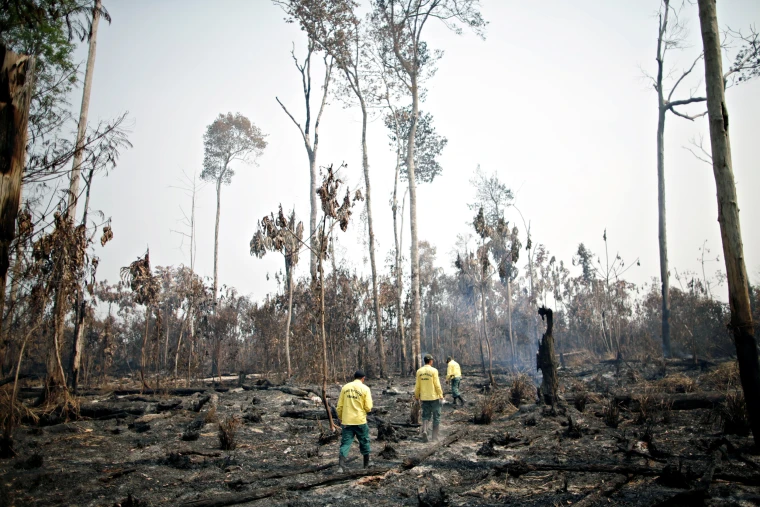
The findings on tropical deforestation deaths serve as a wake-up call for governments, policymakers, and global citizens. Protecting tropical forests is no longer just about preserving biodiversity or storing carbon it is about saving human lives. Preventing further deforestation, restoring degraded lands, and enforcing stricter conservation policies can reduce heat exposure and protect vulnerable populations.
For communities already experiencing the brunt of these changes, adaptation measures such as improved healthcare access, heat shelters, and early-warning systems are essential. International cooperation, alongside local action, is crucial to address both the drivers and impacts of deforestation.
The stark numbers 28,000 deaths annually linked to forest loss reveal that the consequences of cutting down tropical forests are far more deadly and immediate than often realized. Unless urgent steps are taken, tropical deforestation will continue to erode both planetary health and human survival.