The Kukis Tribe of Assam: A Comprehensive Insight into Their History, Culture, and Lifestyle

The Kukis Tribe of Assam represents one of the most significant and culturally rich tribal communities in North-East India. Among the tribes of the North Cachar Hills district, the Kukis hold a prominent place numerically, socially, and culturally. In China, the term “Kuki” literally means “people of the Ku lake,” reflecting their ancient origins. While plains people call these tribes Kuki or Kuki-Chin, the Dimasa Kacharis refer to them as Thanggumsa, and in Manipur, they are called Khomsai. In fact, the Kukis in India and the Chins in Burma (Myanmar) belong to the same ethnic group, often collectively referred to as Kuki-Chin.
Thank you for reading this post, don't forget to subscribe!The term “Kuki” is vague and encompasses a wide range of tribes, each with its distinct customs, dialects, and traditions. Historically, they are believed to have originated near the Ku lake in China before migrating through Burma, Mizoram, Tripura, Cachar, and the Naga Hills to finally settle in Assam and Manipur.
Historical Migration and Origins of The Kukis Tribe
The Kukis have fascinating legends about their migrations. According to these legends, the Kukis originally lived near Sim-lung on the banks of the Mekong River in Southwestern China. Due to natural calamities, they migrated to the Shan country (where the Ahoms later entered Assam) and lived there for generations. An unprecedented famine forced them to move again, eventually settling in the Chin Hills and the valleys of the Irrawadi and Chindwin rivers in Burma.
In search of fertile lands, the Kukis moved through the Lusai Hills (present Mizoram), Tripura, Cachar, North Cachar Hills, and Naga Hills before finally reaching Manipur and Assam. Historical studies, such as Dr. B.K. Barua’s A Cultural History of Assam, indicate that Indo-Chinese people speaking Tibeto-Burma languages migrated from western China to the northeast region of India, forming the Lusai Kuki Chin group.
By the 18th and 19th centuries, several Kuki tribes, including the Rangkhols, Betes, Jansens, and Thadois, settled in the North Cachar Hills. The Old Kukis (Rangkhols and Betes) were followed by the New Kukis (Jansens and Thadois), marking different waves of migration.
Classification of The Kukis Tribe

Historically, the Kukis were classified under different headings. Major Shakespear (Assam Census Report, 1911) identified 15 heads of Lushai-Kuki-Chin people, while Lt. General H.W.G. Gob recognized 9 main tribes. According to the Scheduled Castes and Scheduled Tribes lists of India (1956, amended 1976), the Kuki group consists of 37 recognized tribes.
Some prominent tribes include:
- Baite or Beije
- Changsen
- Chongloi
- Doungel
- Gamalhou
- Gangto
- Guite
- Hanneng
- Haokip or Haspit
- Haolai
- Hengna
- Hongsungh
- Hraugkawal or Rongkhol
- Jongbe
- Khawchung
- Khawathlang or Khothalong
- Khelma
- Kholhau
- Kipgen
- Kuki
- Lengthang
- Lhangun
- Lhoujem
- Lhouvan
- Lupheng
- Mangjol
- Misao
- Riang
- Sairhen
- Semnam
- Singson
- Sitihou
- Sukte
- Thado
- Thangou
- Uibuh
- Vaiphei
Each of these tribes possesses its own identity, dialect, and cultural patterns, yet there are similarities due to shared ancestry and proximity of settlements.
Demography and Literacy
As per the 1971 Census, the total population of the Kuki group in Assam was 13,524, with 7,179 males and 6,345 females. The female-to-male ratio stood at 883 per 1,000 males, indicating a slightly lower number of females. Literacy among the Kukis was higher than the state average, with 37.51% overall literacy compared to Assam’s 28.72%. Male literacy was 36.54%, and female literacy 19.43%. These figures indicate that the Kukis valued education, which has contributed to their resilience and adaptability in modern times.
Clan Structure and Marriage Practices
Kuki society is organized around clans, though these are not strictly exogamous. Marriages within the same clan are discouraged but not prohibited. Intermarriage among the 37 tribes is unrestricted.
Marriage by negotiation is the most common practice, with the bride price ranging from Rs. 50 to Rs. 500, depending on the family’s financial capacity. In cases of poverty, the groom may work for his in-laws for 1–3 years in lieu of the bride price. Traditional marriages involve feasts, ceremonial rites, and community participation.
The Kukis also practice levirate, where a younger brother may marry the widow of his elder brother, inheriting property and responsibilities. Polygamy exists but varies among tribes; for instance, Rongkhols forbid it, while Changsens may have up to three wives. Divorce is rare and only permitted under special circumstances such as adultery or incest.
Family and Social Structure of The Kukis Tribe
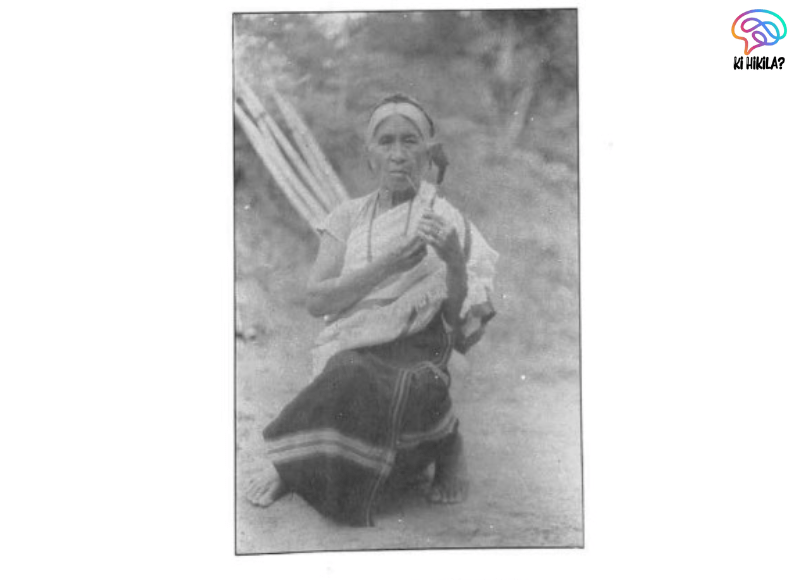
The Kukis follow a patriarchal system, tracing descent through male members. Property inheritance varies across tribes: some divide property equally among sons, others give a larger share to the eldest or youngest son based on familial responsibilities.
Village governance is usually led by a hereditary chief, except among the Rongkhols, who maintain a democratic system. Chiefs oversee disputes, allocate land, collect a share of crops and fines, and provide for orphans and the needy. Despite historical authority, many chiefs today have lost practical power due to modern governance and the emergence of elected local leaders.
Religion and Beliefs of The Kukis Tribe
Traditionally, the Kukis practiced animism, worshipping a chief god, Pathien, alongside numerous minor deities. Sacrifices, rice-beer offerings, and community rituals were central to their religious life.
After death, they believe in the village of death (Iti-Kua) and rebirth. All good men enter a peaceful afterlife, while evil spirits face challenges before attaining rest. Rongkhols adopted cremation under Hindu influence, while most Kukis bury their dead. Today, most Kuki villages are Christian, though traditional practices persist in modified forms.
Economy and Livelihood of The Kukis Tribe
Agriculture is the primary occupation of the Kukis. They practice jhum (shifting) cultivation and wetland farming, growing paddy, maize, sesame, castor, cotton, and vegetables. Horticulture, including oranges, pineapples, and lemons, is common. Some also cultivate cash crops like black pepper, coffee, and cashew.
Despite their skills, Kukis face economic challenges due to poor communication, marketing facilities, and lack of infrastructure. Weekly markets are few and far between, forcing villagers to travel long distances to sell their produce. Livestock, handicrafts, and bamboo products are primarily for domestic use, limiting income opportunities.
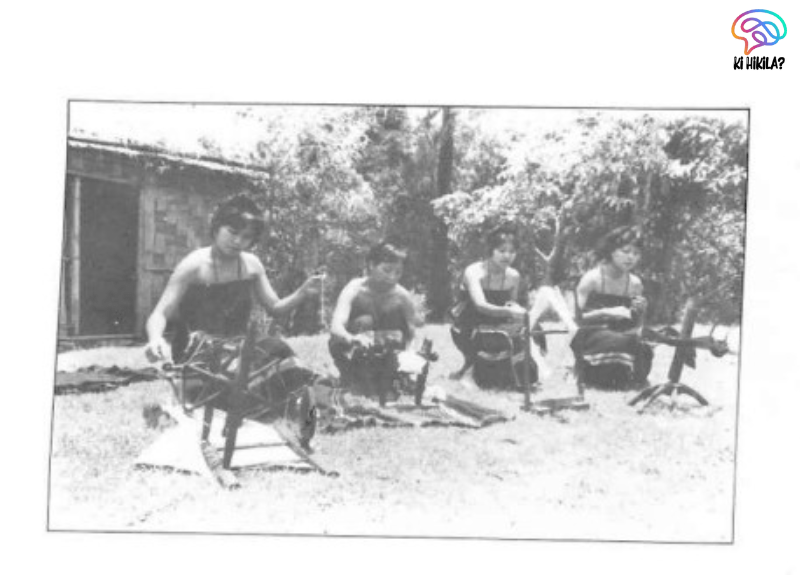
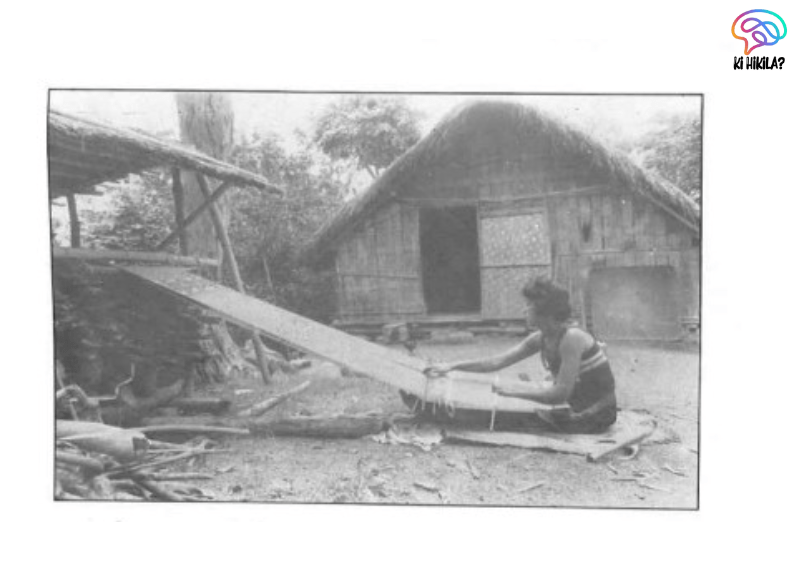
Craftsmanship is highly developed: men excel in carpentry and blacksmithing, while women weave traditional clothing and produce bamboo and cane items.
Traditional Dresses and Ornaments
Kuki attire reflects their artistic heritage. Men traditionally wore scarves like Thangnanpon and Ponmongiom, loincloths (Derchen Nishan), and turbans (Dercop), while women wore skirts (Khamtang), decorated scarves (Punggaisan), and bead necklaces (Phisong, Pathi).
Ornaments included bracelets, armlets, and earrings made of silver, brass, or lead. Although younger generations often adopt modern clothing, elders continue to wear traditional attire during festivals and ceremonies.
Household and Agricultural Implements
Kukis use traditional tools and household items, including:
- Congwang: Cane basket for carrying paddy
- Bengrit: Bamboo/cane basket for vegetables and firewood
- Lo: Storage basket for paddy
- Sum-Sutum: Wooden paddy husker
- Chempong: Sharp-edged dao for cutting
- Heicha: Axe for clearing Jhum lands
These implements highlight their resourcefulness and intimate connection with the land.
Music, Arts, and Cultural Expressions
Music and art are central to Kuki life. Instruments include Dalaipong, Dalpabo, Dapi, Goseem (flute), and Sheliangdah (string instrument). Festivals, weddings, and community gatherings feature vibrant folk songs, dances, and rituals.
Weaving, pottery, and bamboo craft are important artistic expressions. Women are skilled in producing handwoven textiles, while men craft household items and musical instruments.
Housing Patterns of The Kukis Tribe
Kuki villages are often on hilltops, offering defense advantages. Houses are built on wooden platforms with timber structures, usually single-roomed with earthen hearths. Raised wooden planks serve as beds. Modernization has introduced multi-roomed houses with windows and ventilation.
Festivals and Celebrations
The Kukis celebrate festivals tied to harvests, religious beliefs, and social life. Key festivals include:
- Kut: Harvest festival, prayers to deities, communal feasting
- Chavang Kut: Celebrates agricultural success
- Mim Kut: Rituals marking post-harvest activities
- Traditional dances and music are integral, with rice-beer often part of the celebration
Contemporary Challenges
Kukis face challenges including:
- Limited access to education and healthcare
- Poor infrastructure and road connectivity
- Low productivity due to traditional farming methods
- Difficulty marketing agricultural products
- Preservation of traditional languages and arts
Despite this, they have adapted by embracing modern education, Christian faith, and governance under the North Cachar Hills District Council.
Future Prospects
The Kukis’ resilience and adaptability suggest a promising future. Development opportunities include:
- Agro-based industries
- Handicraft markets and tourism initiatives
- Education and skill development programs
- Infrastructure improvements for connectivity and marketing
By balancing tradition and modernity, the Kukis can ensure cultural preservation while achieving socio-economic progress.
Conclusion
The Kukis Tribe of Assam represents a remarkable blend of history, culture, and adaptability, making them one of the most vibrant tribal communities in North-East India. Comprising 37 distinct tribes, each with its own dialect, customs, and identity, the Kukis have preserved their rich traditions, folklore, and cultural practices while embracing modern development and educational opportunities. Over centuries, they have demonstrated remarkable resilience, navigating migrations, environmental challenges, and socio-political changes while maintaining a strong sense of community and belonging.
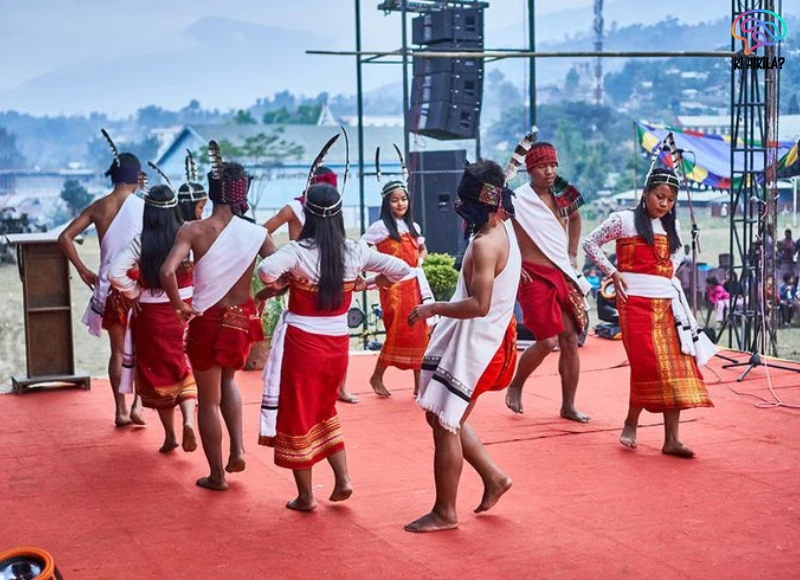
Physically robust, resourceful, and skilled in agriculture, craftsmanship, and horticulture, the Kukis have contributed significantly to the socio-economic fabric of the regions they inhabit, particularly in the North Cachar Hills, Manipur, and Mizoram. Their festivals, music, dances, and traditional attire continue to reflect their vibrant heritage, while their adaptability has enabled them to integrate modern practices such as formal education, improved agricultural techniques, and participation in governance.
The Kukis’ enduring spirit, close-knit social structure, and rich cultural tapestry ensure that they remain a vital and dynamic component of Assam’s diverse population. By valuing both tradition and progress, they preserve a vibrant cultural identity for future generations while contributing to the broader cultural and developmental landscape of North-East India.