


Delhi High Court Reinforces Celebrity Personality Rights Amid Rise of AI Misuse

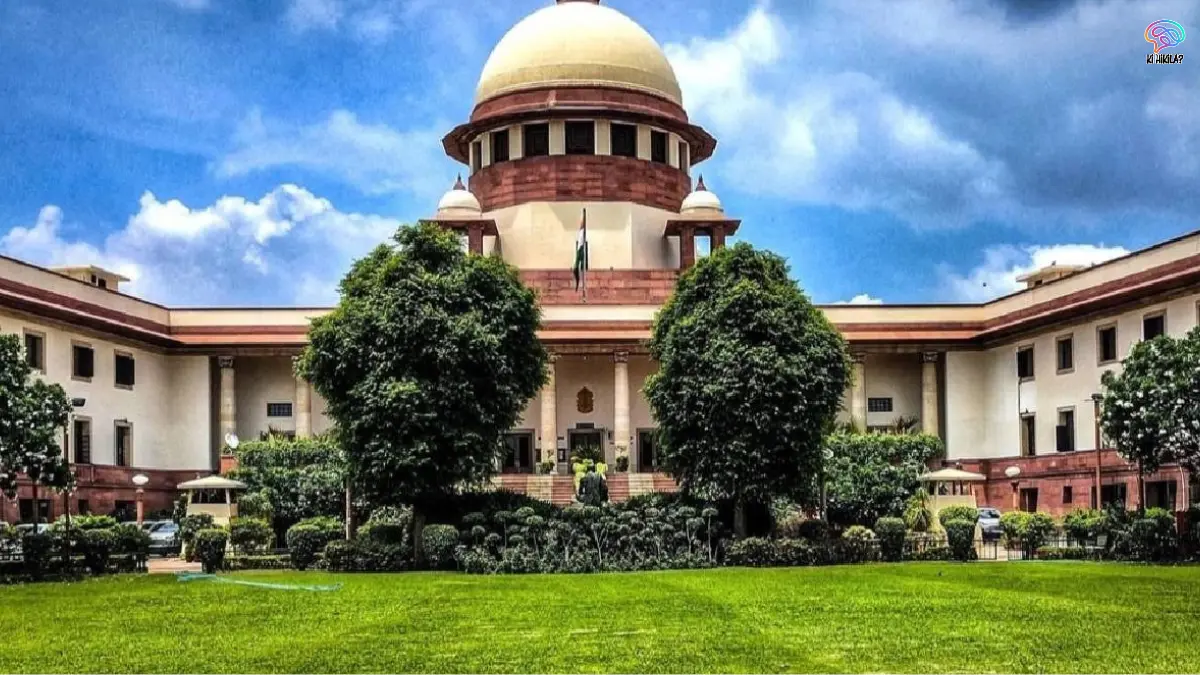
The Delhi High Court has taken a significant step in safeguarding the personality rights of public figures by issuing stronger protections against unauthorized commercial use of their names, images, voices, and likenesses. The ruling comes at a critical time, as misuse of personal traits via AI, deepfakes, and unlicensed merchandise is on the rise.
In recent cases, actors and filmmakers such as Aishwarya Rai Bachchan, Abhishek Bachchan, and Karan Johar secured judicial relief after their images or voices were exploited without consent. The court’s decision marks a growing judicial recognition of the need to balance public fame and personal dignity in the digital era.

Delhi High Court Ruling and the Understanding of Personality Rights in India
- What are personality rights?
These rights protect an individual’s identity elements—like name, image, voice, signature—from being commercially exploited without permission. - Statutory gap in India
India does not currently have a standalone law exclusively for personality rights. Instead, protection is derived through a combination of common law, defamation, privacy rights, and elements of intellectual property law (e.g., Copyright and Trademark statutes). - Constitutional backing
Courts have relied on the right to privacy under Article 21 of the Constitution as foundational support. A landmark 1994 Supreme Court decision (R. Rajagopal vs. State of Tamil Nadu) recognized the need to protect personal identity from unauthorized publication, striking a balance between privacy and freedom of speech.
Key Judgments & Judicial Evolution
- In Tamil Nadu, the Supreme Court ruled that control over personal identity is an inherent aspect of dignity, acknowledging that public personalities should be able to prevent unauthorized commercial use of their persona.
- The Madras High Court upheld the actor Rajinikanth’s right to restrain misuse of his name and style—setting a precedent that proof of confusion or deception is not always necessary when an individual’s identity can be clearly discerned.
- More recently, courts have extended protection in the AI era. For example, the Bombay High Court ruled in favor of singer Arijit Singh, condemning unlicensed AI-generated voice recordings that mimicked his singing.
Addressing AI, Deepfakes & Digital Exploitation
The growth of AI-based voice cloning, image morphing, and synthetic media has posed fresh legal challenges. The court emphasized that:
- Unauthorized commercial exploitation of a person’s image or voice—even when digitally generated—is an affront to dignity and brand integrity.
- Courts can issue injunctions, demand removal of infringing content, and award monetary damages to prevent misuse.
- Even in absence of statutory law, existing jurisprudence can address harmful appropriation of personality traits.
However, the judiciary also maintained that free speech protections under Article 19(1)(a) must be preserved. Permissible use includes parody, criticism, satire, and expressive works that do not mislead or exploit a person’s identity commercially.
Challenges, Gaps & Future Directions
While this ruling is a positive step, several challenges remain:
- Lack of unified legislation
Without a dedicated statute, protection depends on piecemeal judicial decisions. Experts call for a comprehensive law outlining clear boundaries of personality rights. - Balancing rights and expression
Overbroad restrictions could stifle artistic freedom and legitimate criticism. Laws must clearly demarcate permissible uses such as satire, fair commentary, and news reporting. - Complex enforcement
Detecting violations across digital platforms, especially globally, is arduous. Issues such as takedowns, jurisdiction, and automatic monitoring persist as enforcement obstacles. - Extending protection beyond celebrities
Misuse of identity traits also affects ordinary citizens—particularly in cases of deepfake harassment, revenge content, or identity theft. Any robust legal framework should protect all individuals, not just public personalities.
Why This Ruling Matters
This decision from the Delhi High Court is more than a legal precedent—it’s an important recognition of how identity, dignity, and personal autonomy require protection in a digitally mediated world. As technology evolves, so too must the legal safeguards that prevent misuse of a person’s very persona.
For public figures, artists, and everyday citizens alike, the judgment underscores that no one’s name, face, or voice should become a commodity to be exploited without consent. It also signals to legislators, technologists, and judges that personality rights deserve clearer codification and vigilant enforcement in the years ahead.