



Role of Women in Indian Freedom Struggle: A Legacy of Courage

Role of Women in Indian Freedom Struggle was powerful, inspiring, and unforgettable. Women were not silent spectators during India’s fight for independence. They stood bravely against British rule, joined protests, led movements, went to jail, and even sacrificed their lives for the nation. They broke social barriers and proved that courage has no gender.
Thank you for reading this post, don't forget to subscribe!India’s freedom movement was not only a political fight; it was also a social revolution. For centuries, many women were limited to household duties. But during the struggle for independence, they stepped out of their homes and entered public life. They became leaders, organizers, speakers, writers, and revolutionaries. Their contribution changed not only the political future of India but also the social position of women in society.
When we read history, we often hear about male leaders. However, women played an equally important role. Without their support, leadership, and sacrifice, India’s independence would not have been possible. This blog explains in simple words how women shaped India’s freedom struggle and why their role was so important.
Early Resistance: Women in the Revolt of 1857
The Role of Women in Indian Freedom Struggle began long before the 20th century. One of the earliest examples was the Revolt of 1857, also called the First War of Independence.
Rani Lakshmibai of Jhansi
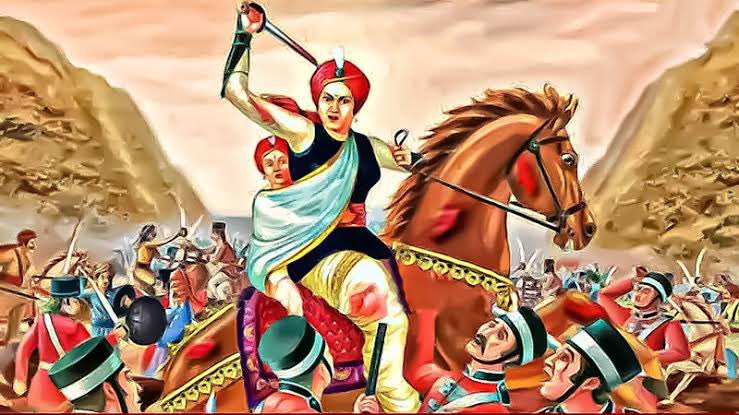
One of the bravest names in Indian history is Rani Lakshmibai. When the British Governor-General Lord Dalhousie tried to annex Jhansi under the Doctrine of Lapse, she refused to surrender her kingdom.
She fought against the British army with great bravery. It is said that she tied her child to her back and rode into battle with a sword in her hand. Her famous words, “Main apni Jhansi nahi doongi,” still inspire millions of Indians.
She became a symbol of courage and patriotism. Even today, students learn about her bravery as an example of fearless leadership.
Begum Hazrat Mahal
Another powerful leader during the 1857 revolt was Begum Hazrat Mahal. After her husband was exiled, she took charge and led the revolt in Awadh. She organized soldiers and challenged British authority in Lucknow.
Her leadership showed that women were capable of ruling and leading armies. These early examples proved that the spirit of resistance was strong among Indian women.
Why the Role of Women in Indian Freedom Struggle Was Important
Women’s participation was important for many reasons:
1. Symbol of Bharat Mata
The idea of Bharat Mata (Mother India) created strong patriotic feelings. When the country was seen as a mother, women became powerful symbols of the nation. This idea united people beyond caste, religion, and region.
2. Support for Boycott Movements
Women played a big role in boycotting British goods. Since they managed household purchases, their decision to reject foreign cloth and wear khadi made the movement successful. They picketed shops selling British goods and encouraged others to do the same.
3. Breaking Social Barriers
Before the freedom movement, many women were not allowed to participate in public life. The struggle for independence gave them a chance to step forward. They spoke at public meetings, joined protests, and even faced police violence.
4. Foundation for Gender Equality
Their participation laid the foundation for equal rights after independence. The Indian Constitution later guaranteed equality to all citizens.
Gandhi’s Influence on Women’s Participation
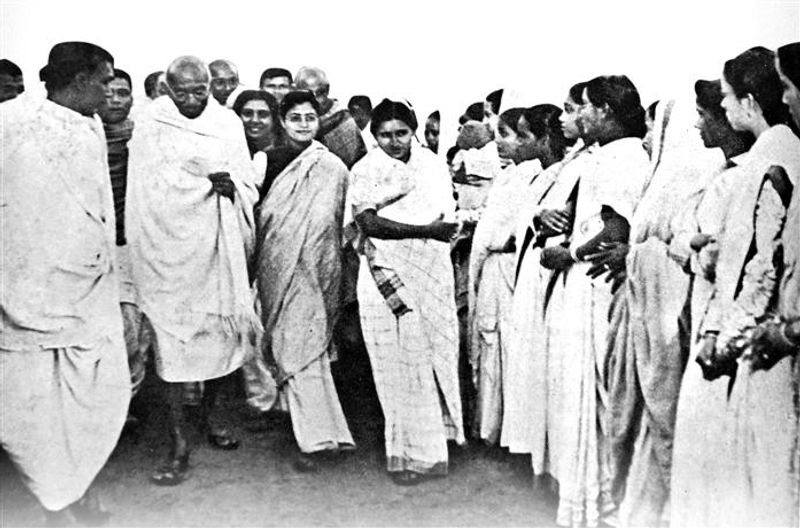
A major turning point in the Role of Women in Indian Freedom Struggle came with Mahatma Gandhi. Gandhi believed that women had patience, moral strength, and courage. He encouraged them to join the movement.
Since many movements were based on non-violence (Satyagraha), women could participate without weapons. They marched, fasted, spun khadi, and courted arrest peacefully.
Gandhi’s encouragement convinced families to allow women to take part in national movements.
Women in Major National Movements
Non-Cooperation Movement (1920)
The Non-Cooperation Movement saw women joining in large numbers for the first time.
They:
- Boycotted foreign goods
- Left government schools
- Joined protest marches
- Faced arrest
This movement marked the beginning of mass participation by women.
Salt Satyagraha (1930)
The Salt Satyagraha was a major turning point.
Women like Sarojini Naidu and Kamala Nehru supported Gandhi during the march.
They made salt illegally to protest British laws. Many women were beaten and arrested. Their bravery proved that women were not weak.
Quit India Movement (1942)
During the Quit India Movement, most male leaders were arrested. Women stepped forward to continue the struggle.
Aruna Asaf Ali hoisted the national flag in Mumbai.
Usha Mehta started the Secret Congress Radio to spread messages.
Women organized rallies, distributed pamphlets, and faced torture in jail.
Prominent Women Freedom Fighters
Annie Besant
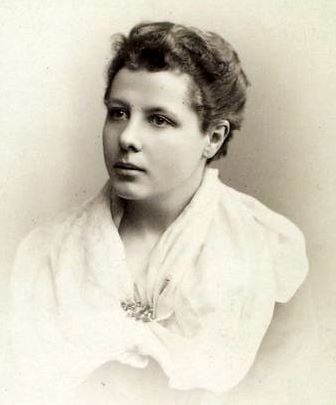
Annie Besant supported Indian self-rule. She founded the Home Rule League and became President of the Indian National Congress in 1917.
Bhikaji Cama
Bhikaji Cama hoisted the Indian flag in Germany in 1907. She demanded independence on international platforms.
Kamaladevi Chattopadhyay
Kamaladevi Chattopadhyay was arrested for selling illegal salt. She also worked for women’s rights and handicrafts.
Lakshmi Sehgal
Lakshmi Sehgal led the Rani of Jhansi Regiment under the Indian National Army. She proved women could serve in the military.
Sucheta Kriplani
Sucheta Kriplani helped draft the Constitution and later became Chief Minister of Uttar Pradesh.
Rani Gaidinliu
Rani Gaidinliu led a tribal resistance movement in Northeast India. She was imprisoned at a young age but remained fearless.
Women Revolutionaries
Some women chose armed resistance.
- Pritilata Waddedar led an attack on a British club.
- Kalpana Dutt joined the Chittagong Armoury Raid.
Their bravery showed that women were ready to sacrifice everything for freedom.
Women and Social Reform
Women freedom fighters also worked for:
- Girls’ education
- Ending child marriage
- Property rights
- Upliftment of Dalits
Organizations like the All India Women’s Conference raised women’s issues.
Challenges Faced by Women
Women faced:
- Social restrictions
- Family opposition
- Police violence
- Imprisonment
- Lack of recognition
Even after independence, gender inequality continued. But their participation opened doors for change.
Impact After Independence
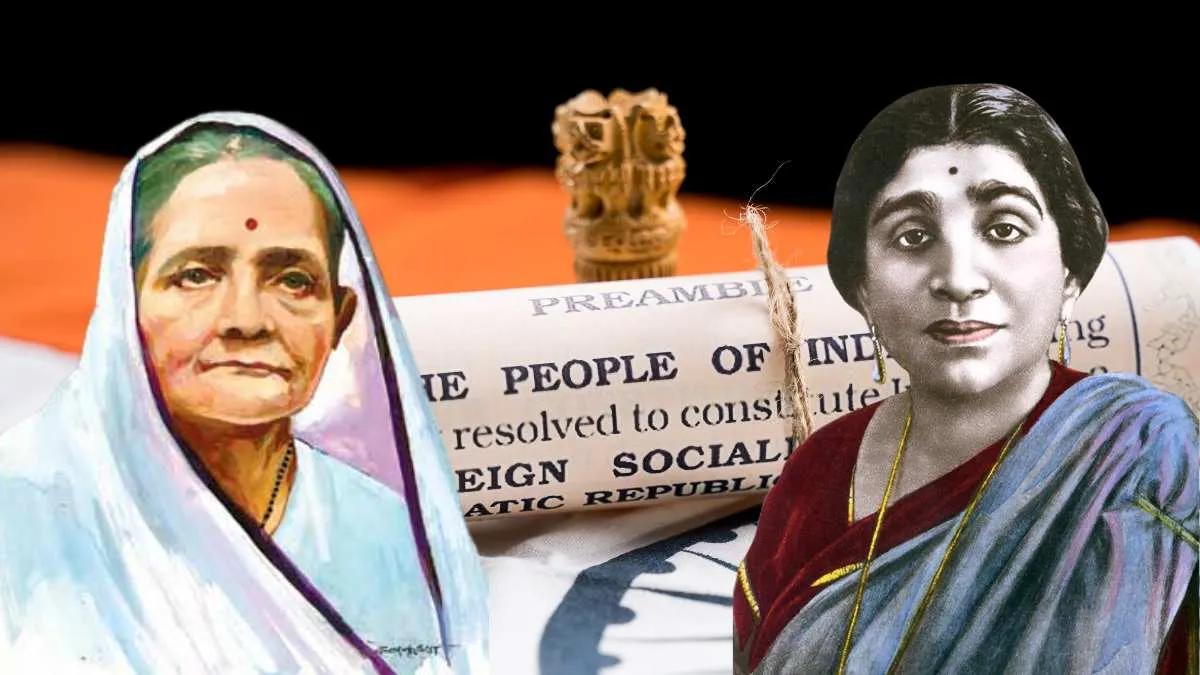
The Role of Women in Indian Freedom Struggle had long-lasting effects:
- Women got voting rights
- The Constitution guaranteed equality
- Women entered politics and administration
- Education for girls increased
Vijaya Lakshmi Pandit became the first woman President of the United Nations General Assembly.
These achievements were possible because of the sacrifices made during the freedom struggle.
Conclusion
The Role of Women in Indian Freedom Struggle was not secondary it was central and powerful. Women led protests, joined national movements, spread revolutionary ideas, and even took up arms. They broke social barriers and proved that courage and patriotism belong to everyone.
Their contribution not only helped India gain independence in 1947 but also laid the foundation for women’s rights in modern India.
Freedom was not won by men alone. It was a collective effort where women played an equal and heroic role. Their legacy continues to inspire every generation to stand up for justice, equality, and freedom.
A heartfelt salute to all the brave women who shaped the destiny of India.
Frequently Asked Questions (FAQs)
1. What was the Role of Women in Indian Freedom Struggle?
The Role of Women in Indian Freedom Struggle was very important. Women led protests, joined movements, boycotted foreign goods, faced imprisonment, and inspired people to fight for independence.
2. Who was the most famous woman freedom fighter of India?
One of the most famous women freedom fighters was Rani Lakshmibai of Jhansi. Other important leaders include Sarojini Naidu, Annie Besant, Aruna Asaf Ali, and Lakshmi Sehgal.
3. How did women participate in the Non-Cooperation Movement?
Women boycotted foreign goods, joined protest marches, left government schools, and many went to jail during the Non-Cooperation Movement.
4. What was the role of women in the Salt Satyagraha?
Women made salt illegally, picketed liquor shops, and supported Gandhi during the Salt March. Many women were arrested for breaking British laws.
5. What role did women play in the Quit India Movement?
During the Quit India Movement, women organized rallies, spread secret messages, ran underground radio stations, and continued the struggle when male leaders were arrested.
6. Did women take part in revolutionary activities?
Yes, women like Pritilata Waddedar and Kalpana Dutt took part in armed revolutionary activities against British rule.
7. How did the freedom struggle change the position of women in India?
The freedom struggle helped women step into public life. After independence, women got voting rights, equal constitutional rights, and opportunities in politics and education.
8. Why is the Role of Women in Indian Freedom Struggle important today?
It reminds us that freedom was achieved through collective effort. It also inspires young generations to stand for justice, equality, and courage.