
Eurasian Otter Comeback in Kashmir Signals Rare Ecological Revival in the Himalayas

The Eurasian Otter Comeback in Kashmir is being seen as a powerful sign of ecological recovery in the fragile Himalayan region. In a rare and hopeful development, the elusive Eurasian Otter is quietly reclaiming its historical range in the Kashmir Valley. Once believed to have vanished from the region nearly five decades ago, the species is now showing confirmed signs of resurgence. Wildlife officials and researchers describe this return as one of the most important conservation stories to emerge from the Valley in recent years.
Thank you for reading this post, don't forget to subscribe!The comeback is especially remarkable because it is happening in rivers that flow across the heavily guarded Line of Control. These waters, shaped by the western Himalayas, have unintentionally become safe spaces for wildlife due to limited human disturbance. Clean, fast flowing streams and healthy fish populations appear to be creating ideal conditions for the otter’s survival.
First Photographic Evidence in Nearly Five Decades
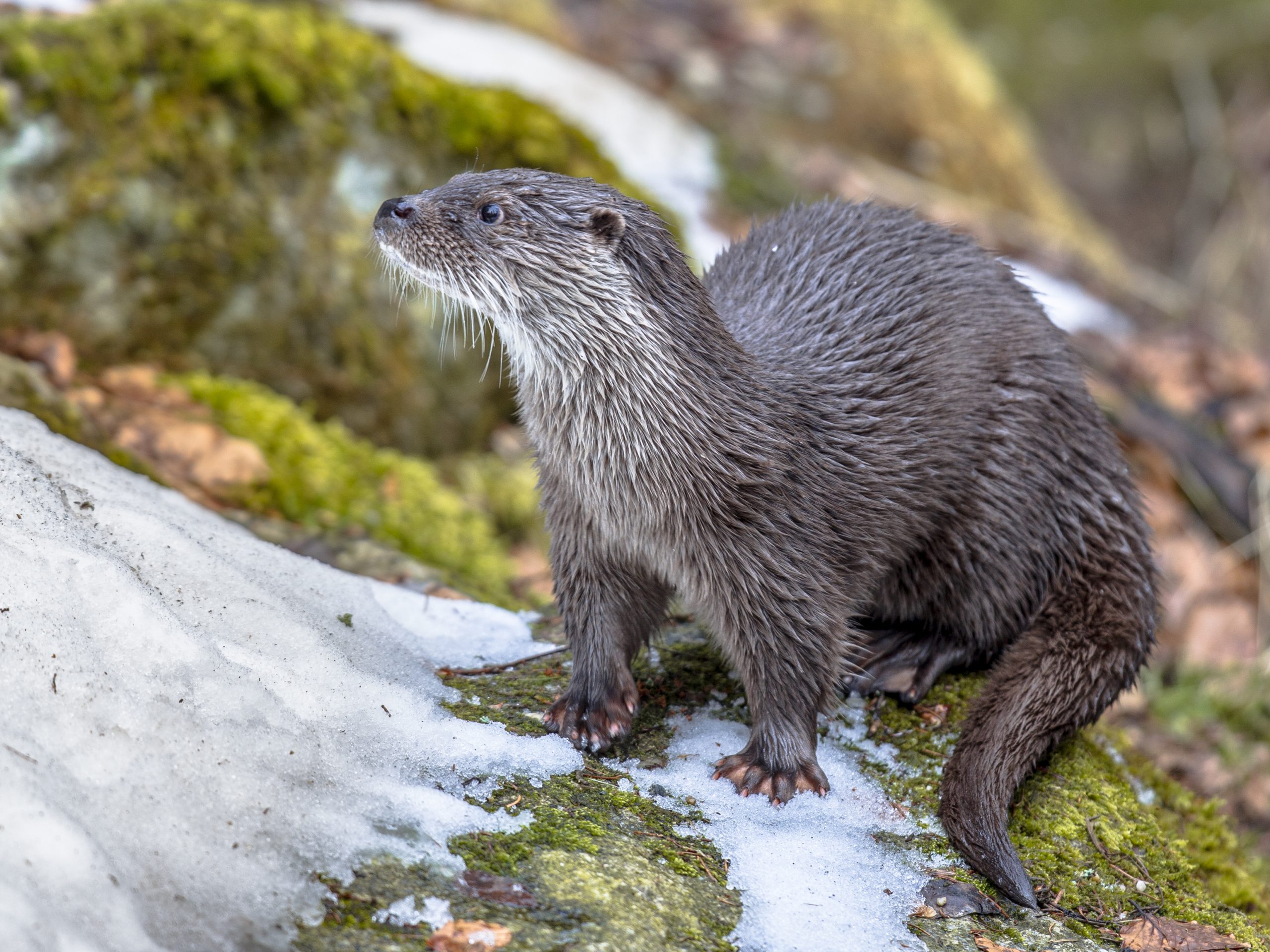
A major breakthrough in confirming the Eurasian Otter Comeback in Kashmir came from Sindh Nalla in Ganderbal district. The local forest department recorded the first direct photographic evidence of the species in almost 50 years. The image was captured in the Gutlibagh area by range officer Faizan Anwar Mir, who spotted a sub adult otter during daylight hours.
This sighting is considered extremely rare. Eurasian otters are mostly nocturnal and highly secretive animals. They usually avoid human presence and prefer to move under the cover of darkness. Capturing a clear image in daylight has therefore provided strong confirmation that the species is not only present but possibly establishing itself in the region once again.
Wildlife experts say that such visual proof strengthens earlier indirect evidence like footprints, droppings, and fish remains found along riverbanks. Together, these signs point towards a slowly growing otter population in Kashmir’s river systems.
Kishenganga River as a Natural Migration Corridor
Another key factor in the Eurasian Otter Comeback in Kashmir is the role of the Kishenganga River. Flowing through the picturesque Gurez Valley, the river appears to function as a natural migration corridor for the species.
Frequent sightings near Tarabal village suggest that otters are swimming freely between areas in Pakistan occupied Kashmir and North Kashmir. Reports indicate that they cross the Line of Control near Keran and Teetwal, moving seamlessly across borders without being affected by geopolitical divisions.
Officials believe the cold and fast flowing waters of the Kishenganga provide perfect habitat conditions. These mountain streams remain largely untouched by heavy industrial activity and large scale urban pollution. For a species that depends entirely on clean freshwater ecosystems, such conditions are essential.
The cross border movement also shows that wildlife does not recognize political boundaries. Rivers that connect landscapes on both sides are playing a critical role in supporting biodiversity in this sensitive region.
High Altitude Streams Offer Safe Refuge
Researchers point out that rivers along the Line of Control have unintentionally become ecological sanctuaries. Due to restricted civilian infrastructure and limited development activities, these areas have remained relatively undisturbed for decades.
Minimal pollution has helped preserve water quality. Fish populations remain stable, offering a steady food source for the otters. These high altitude streams, surrounded by forests and rugged terrain, provide safe resting and breeding sites away from human interference.
The Eurasian Otter is a semi aquatic mammal that depends heavily on healthy freshwater ecosystems. It feeds mainly on fish, amphibians, and small aquatic animals. Because of its sensitivity to pollution and habitat destruction, the species is widely regarded as an indicator of river ecosystem health. Its return suggests that at least some river systems in Kashmir are still functioning in a balanced and natural way.
Ecological Importance of the Return
The Eurasian Otter Comeback in Kashmir is more than just a wildlife story. It carries deep ecological meaning. Otters sit near the top of the aquatic food chain. Their presence indicates that fish stocks are strong and water quality is good.
Wildlife experts are now studying possible migration routes to understand whether the returning population is expanding from Pakistan occupied Kashmir or from Ladakh into central Kashmir. The confirmed sightings in Sindh Nalla and along the Kishenganga highlight the resilience of the species.
For decades, habitat loss, water pollution, and hunting pressures led to the disappearance of otters from many parts of India. In Kashmir too, the species was believed to have vanished due to environmental degradation and disturbance. The recent sightings therefore mark a rare ecological revival.

A Delicate Balance for the Future
While the Eurasian Otter Comeback in Kashmir brings hope, conservationists stress that continued protection is essential. Clean rivers, stable fish populations, and undisturbed riverbanks are critical for the species to thrive.
Any future increase in infrastructure development, pollution, or unregulated tourism along these rivers could threaten this fragile recovery. Authorities are now considering detailed surveys and monitoring programs to track population trends and identify important habitats.
The return of this rare Himalayan resident serves as a reminder of nature’s ability to heal when given space and protection. At the same time, it highlights how closely wildlife survival is linked to environmental health.
As the otter glides once again through the cold waters of Kashmir’s rivers, it stands as a quiet symbol of resilience. The flowing streams of the Valley are not just borders or waterways, but living ecosystems capable of renewal when preserved with care.