Diwali: Festival of Lights and New Beginnings

Diwali, also known as Deepavali, is one of the most vibrant and joyous festivals celebrated by millions around the globe. This festival of lights signifies the triumph of light over darkness, good over evil, and knowledge over ignorance. It brings people together, fostering a sense of unity, joy, and spiritual upliftment.
Thank you for reading this post, don't forget to subscribe!The Mythology Behind Diwali
The Legend of Lord Rama
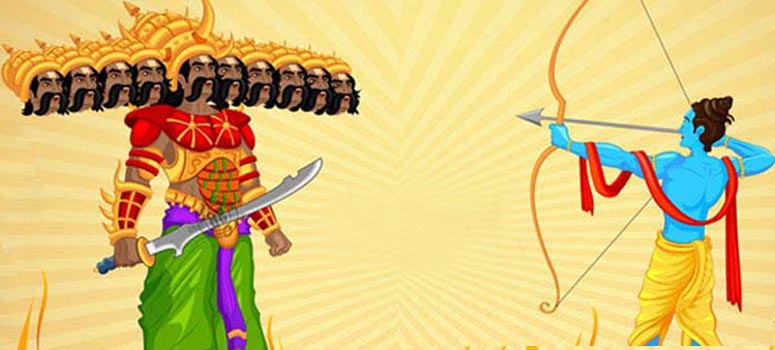
According to the Ramayana, Lord Rama returned to Ayodhya after spending 14 years in exile, during which he defeated the demon king Ravana. To celebrate the victory of good over evil and welcome their beloved king, the people of Ayodhya lit rows of oil lamps (diyas), which began the tradition of lighting homes on Diwali night.
Krishna and Narakasura
In another legend, Lord Krishna defeated the evil demon Narakasura, liberating thousands of prisoners from his tyranny. This story symbolizes the victory of truth and righteousness. Many regions celebrate Naraka Chaturdashi, the day before Diwali, to mark the end of Narakasura’s reign and spread the joy of freedom.
Goddess Lakshmi and Diwali
The third legend connects Diwali with the worship of Goddess Lakshmi, the deity of wealth and prosperity. It is believed that Lakshmi visits clean and well-lit homes on Diwali night, blessing the residents with fortune and happiness. People perform Lakshmi Puja on the main day of Diwali to invite her blessings for the upcoming year.
South India and Bali’s Story
In southern India, Diwali coincides with the story of King Bali, a benevolent but powerful ruler. As per mythology, Lord Vishnu, in his Vamana avatar, sent Bali to the netherworld, but granted him permission to visit his kingdom once a year. Some regions celebrate this day to honor Bali’s return, linking the festival with harvest rituals and expressing gratitude for abundance.
The Five Days of Diwali
Day 1: Dhanteras
This day marks the beginning of Diwali when people shop for gold, silver, or new utensils to attract good fortune. The belief is that these purchases ensure prosperity throughout the year.
Day 2: Naraka Chaturdashi (Choti Diwali)
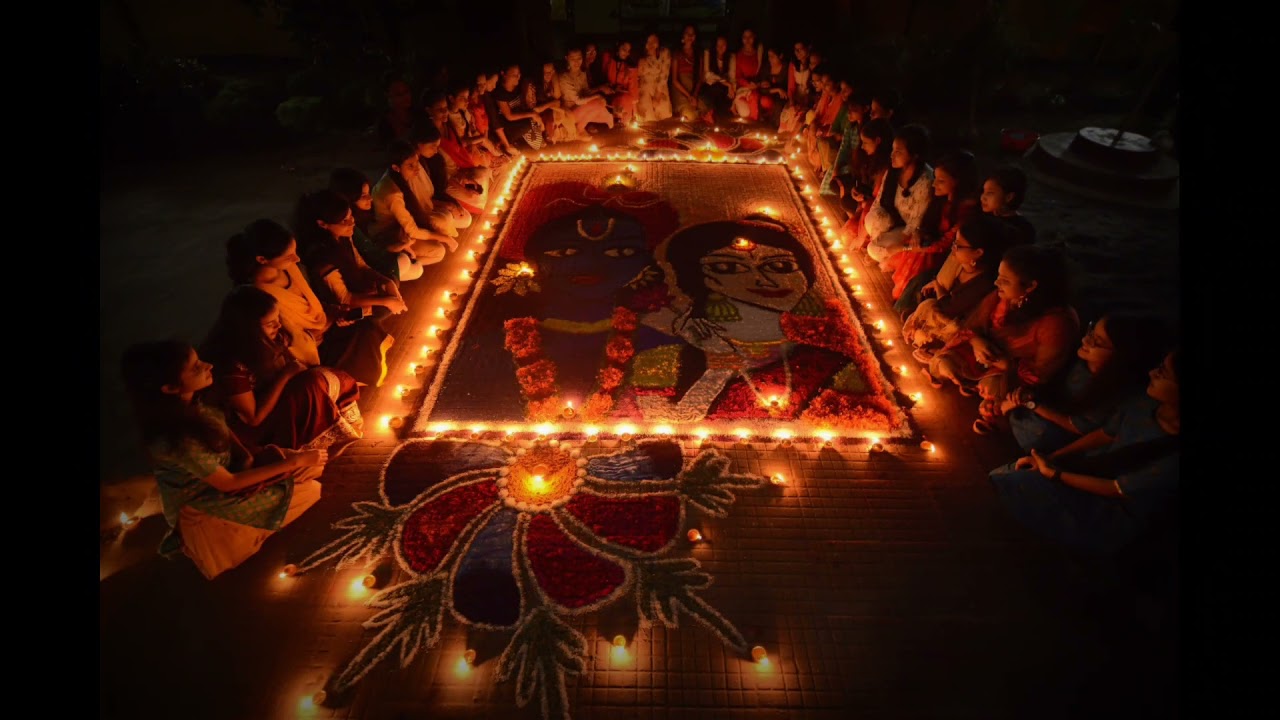
Homes are cleaned, and vibrant rangolis (art made with colored powders) adorn entrances to welcome positive energy. It’s also a day to reflect on cleansing the mind and soul, preparing for the main Diwali celebrations.
Day 3: Lakshmi Puja (Main Diwali)
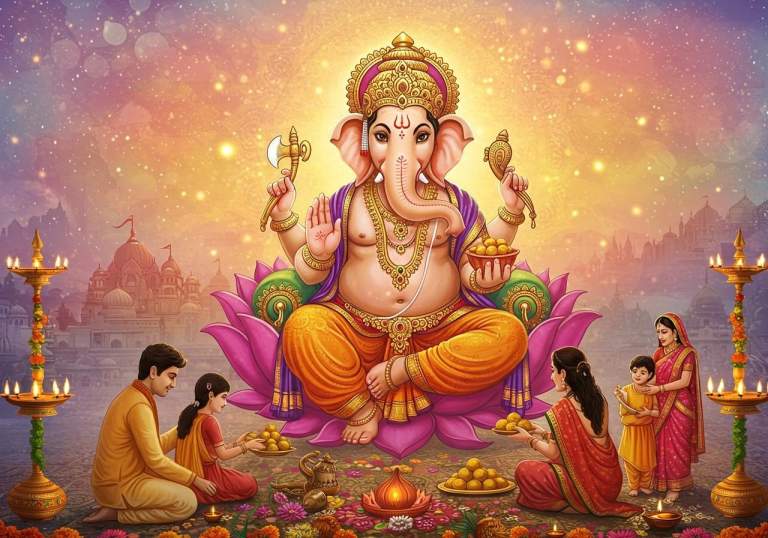
The heart of the festival! People worship Goddess Lakshmi to invite wealth and happiness. Homes are illuminated with diyas (lamps), and families burst fireworks to dispel darkness and negativity.
Day 4: Govardhan Puja/Annakut
This day is dedicated to Lord Krishna, commemorating how he lifted the Govardhan hill to protect villagers from torrential rains. People prepare lavish meals and offer them in gratitude for nature’s bounty.
Day 5: Bhai Dooj
The final day celebrates the special bond between siblings. Sisters perform rituals for their brothers’ well-being, and brothers offer gifts in return, strengthening their lifelong relationship of care and love.
Diwali Preparations
Cleaning Homes and Offices
A major part of Diwali preparations involves a thorough cleaning of homes and workspaces. Decluttering is believed to invite positive energy and attract the blessings of Goddess Lakshmi, who is said to favor clean and organized spaces. It’s also seen as a way to start fresh, leaving behind the old and making room for new opportunities.
Decorations with Rangoli and Torans
Homes are decorated with colorful rangoli patterns at entrances, often made with flower petals, colored powders, or rice flour. These intricate designs symbolize welcome and good fortune. Torans (garlands made of marigold flowers or mango leaves) are hung at doorways to invite prosperity and ward off negativity.
Lighting Diyas and Lamps
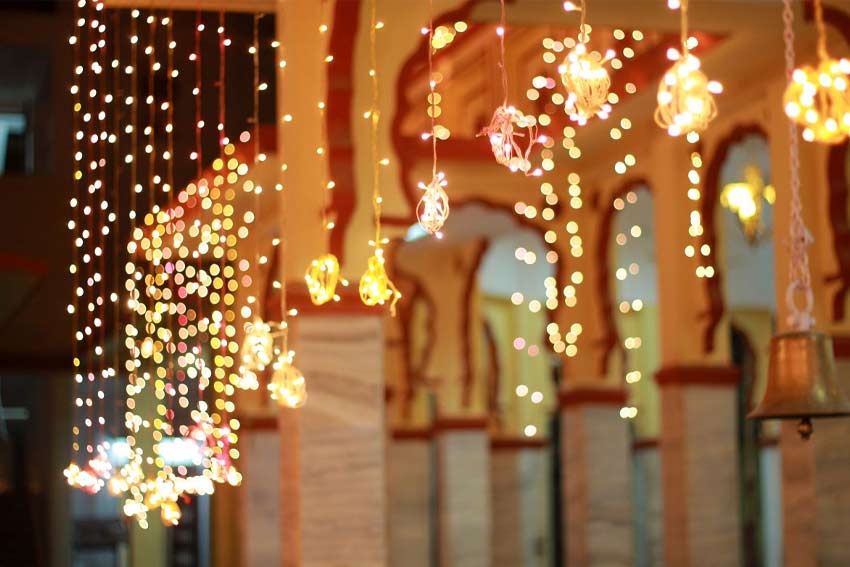
Lighting diyas (oil lamps) and candles is an essential part of Diwali. These lights represent the triumph of light over darkness and ignorance, bringing hope and positivity into every corner of the home. In the evening, homes and streets are illuminated, creating a magical atmosphere.
Use of Firecrackers
Bursting firecrackers have been a traditional way of celebrating Diwali, adding joy and excitement to the festivities. However, in recent years, concerns about air and noise pollution have led to increased awareness about using eco-friendly alternatives like green crackers or light shows, promoting a more sustainable way of celebrating.
Food and Festive Delights
Sweets and Desserts
This festival is incomplete without a spread of mouth-watering sweets. Popular delicacies include laddoos, barfis, gulab jamun, and kaju katli, which are often homemade or bought from sweet shops. These treats not only satisfy the sweet tooth but also symbolize joy and abundance.
Savory Snacks
Along with sweets, people prepare a variety of savory snacks to enjoy during the festivities. Favorites like samosas, kachoris, chaklis, and namakpare add a delicious crunch to celebrations. These snacks are usually served with tea or shared at family gatherings.
The Spirit of Sharing
A significant part of Diwali revolves around sharing. Friends, neighbors, and relatives exchange sweets, snacks, and gifts as a way of spreading goodwill and happiness. This act of sharing strengthens bonds and fosters a sense of community, making the festival even more special.
Diwali Across India: Regional Variations
North India
In northern India, this festival celebrates Lord Rama’s return to Ayodhya after defeating Ravana. People light diyas and burst firecrackers to mark this joyous occasion. Homes are decorated, and families gather for Lakshmi Puja, followed by festive feasts.
South India
In the southern regions, the focus shifts to Krishna’s victory over Narakasura. Diwali begins with early morning oil baths, symbolizing purification. The day is filled with prayers, lighting lamps, and sharing sweets.
Western India (Gujarat and Maharashtra)
For people in Gujarat and Maharashtra, Diwali is closely linked to Lakshmi Puja and marks the beginning of a new business year. Shops are decorated, and ledgers are opened with prayers for prosperity, symbolizing a fresh financial start.
Eastern India (West Bengal, Odisha, and Assam)
In these regions, Diwali coincides with Kali Puja, honoring Goddess Kali, the destroyer of evil. Homes and temples are illuminated with diyas, and rituals are performed to invoke strength and protection.
Sustainability and Diwali
Eco-Friendly Decorations
Many people now opt for organic rangoli powders made from flowers, spices, or natural dyes. Reusable lamps like clay diyas or LED lights are also becoming popular, reducing waste while keeping the festive spirit alive.
Green Fireworks and Reduced Pollution
Awareness around air and noise pollution has led to a shift toward eco-friendly fireworks that release fewer harmful emissions. Some communities have replaced firecrackers with light shows or quieter celebrations to minimize environmental impact.
Minimal Waste Celebrations
The focus on plastic-free celebrations is growing, with people choosing sustainable gift wrapping using cloth or recycled paper. Eco-conscious gifting—like plants or handmade items—helps reduce waste, making the festival more environmentally friendly.
The Spiritual Significance of Diwali
Victory of Light Over Darkness
Diwali symbolizes more than just the physical lighting of lamps—it represents inner transformation, where light stands for knowledge, hope, and truth. It encourages individuals to confront their fears, doubts, and negativity, striving toward personal growth and self-improvement.
Spiritual Reflection and Gratitude
The festival offers a moment to pause and reflect on the year gone by, celebrating achievements and learning from challenges. Many people use this time to express gratitude for life’s blessings, fostering a sense of contentment and renewed purpose for the future.
Family Bonding and Strengthening Relationships
This festival is a celebration of togetherness, reminding people of the value of family and community. The tradition of gathering with loved ones, sharing meals, and exchanging gifts strengthens bonds and emphasizes the importance of unity and love in our lives.
Conclusion: The Essence of Diwali
This festival is much more than a festival of lights—it is a celebration of life, hope, and renewal. Through its stories and rituals, it reminds us of the eternal truth: light always triumphs over darkness, and good overcomes evil. Whether through prayers for prosperity, sharing joy with loved ones, or reflecting on personal growth, Diwali inspires us to embrace positivity and gratitude.
As we light diyas and gather with family and friends, we are reminded of the importance of kindness, unity, and new beginnings. Celebrating responsibly, with eco-friendly choices, allows us to carry forward the festival’s message in a way that respects both tradition and the environment. Ultimately, Diwali encourages us to spread light within and around us, making the world a brighter, better place for all.
Frequently Asked Questions About Diwali
Q. What is Diwali?
A: This festival also known as the Festival of Lights, is a major Hindu festival celebrated to signify the victory of light over darkness and good over evil. It involves lighting lamps, bursting fireworks, and exchanging gifts.
Q. When is Diwali celebrated?
A: The Festival of Lights falls on the 15th day of the Hindu month of Kartika, usually between mid-October and mid-November. The exact date varies each year based on the lunar calendar.
Q. What is the significance of lighting diyas?
A: Lighting diyas symbolizes the dispelling of darkness and ignorance. It represents hope, positivity, and the triumph of knowledge over ignorance.
Which date in 2025 will Diwali be celebrated in India?
In 2025, the main day of Diwali (Lakshmi Puja) will be observed on Monday, October 6.
what is its significance?
Deepavali, symbolizes the victory of light over darkness, good over evil, and knowledge over ignorance. It commemorates Lord Rama’s return to Ayodhya after exile and his victory over Ravana, as well as worship of Goddess Lakshmi for wealth and prosperity.
How many days does Deepavali last and what are the names of the days?
Deepavali is usually celebrated over 5 days (sometimes 5–6 days), each with its own name and rituals:
Day 1: Govatsa Dwadashi / Vasu Baras
Day 2: Dhanteras (Dhantrayodashi)
Day 3: Naraka Chaturdashi / Chhoti Diwali
Day 4: Diwali (Lakshmi Puja)
Day 5: Govardhan Puja / Annakut
Day 6 (in many regions): Bhai Dooj / Yama Dwitiya
What is the Deepavali puja (worship) muhurat or auspicious timing in 2025?
In 2025, the Lakshmi Puja muhurat falls between 7:08 PM and 8:18 PM IST.
What is Naraka Chaturdashi / Chhoti Diwali and when is it in 2025?
Naraka Chaturdashi, also called Chhoti Diwali or Kali Chaudas, celebrates Lord Krishna’s defeat of the demon Narakasura. In 2025, Naraka Chaturdashi is observed on October 20 (during early morning hours) before the main Diwali night.
What rituals do people perform during Deepavali?
Common rituals include:
Cleaning and decorating homes with rangoli and lights
Lighting diyas (oil lamps) inside and outside the home
Performing Lakshmi Puja (worship of Goddess Lakshmi and Lord Ganesha)
Offering sweets and gifts
Bursting crackers (in many regions)
Community prayers, temple visits, and social visits to family and friends
How can one celebrate a more eco-friendly Diwali?
To make Diwali environmentally friendly, people often:
Use LED lights or solar lamps
Prefer clay diyas over plastic ones
Use natural rangoli colors (flower petals, rice flour)
Avoid or minimize firecrackers
Recycle or reuse decoration materials
Encourage green gifting (plants, sustainable items)
Is Diwali a national holiday in India?
Yes. Diwali (Deepavali) is a gazetted public holiday across India. Schools, banks, and many government offices remain closed on that day.
Why do we light earthen lamps (diyas) during Diwali?
Lighting earthen lamps is symbolic of dispelling darkness and ignorance. Spiritually, the flame is believed to cleanse negative energies and create a protective aura around the house, promoting positivity, prosperity, and divine blessings.
Can Diwali dates differ in other regions or countries?
Yes. Diwali’s date is determined by the lunar calendar (Amavasya in Kartik month), and due to different calendar systems or local traditions, observance may vary by region or community. Some countries also adjust timings according to local time zones.