Eid al-Fitr: A Festival of Joy and Gratitude

Eid al-Fitr is one of the most important and happiest festivals celebrated by Muslims all over the world. The name “Eid al-Fitr” means “the Festival of Breaking the Fast.” It marks the end of the holy month of Ramadan, a month when Muslims fast from dawn to sunset, pray more, help others, and try to become better human beings. Eid al-Fitr is a time of joy, thankfulness, togetherness, and sharing.
Thank you for reading this post, don't forget to subscribe!This festival is not only about wearing new clothes and eating delicious food. It has deep religious, social, and moral meanings. Eid al-Fitr teaches people the value of patience, kindness, charity, and unity. It brings families, friends, and communities closer and reminds everyone to be thankful for what they have.
Meaning and Importance of Eid al-Fitr
Eid al-Fitr is celebrated on the first day of Shawwal, the tenth month of the Islamic lunar calendar. The Islamic calendar is based on the moon, so the date of Eid changes every year according to the sighting of the new moon. When the crescent moon of Shawwal is seen, Ramadan ends, and Eid al-Fitr begins.
The importance of Eid al-Fitr lies in its connection to Ramadan. During Ramadan, Muslims fast every day, control their desires, and focus on prayer and good deeds. Eid al-Fitr is a reward from Allah for completing this month of fasting with faith and discipline. It is a day to thank Allah for giving strength and guidance.
Eid al-Fitr also reminds people that fasting is not only about staying hungry. It is about understanding the pain of poor people, learning self-control, and becoming more caring. The happiness of Eid is meant to be shared with everyone, especially those who are less fortunate.
The Holy Month of Ramadan and Its Connection to Eid
To understand Eid al-Fitr fully, it is important to understand Ramadan. Ramadan is the ninth month of the Islamic calendar. Muslims believe that the Holy Quran was first revealed to Prophet Muhammad (peace be upon him) during this month.
During Ramadan, adult Muslims fast from sunrise (Fajr) to sunset (Maghrib). This means they do not eat, drink, or do other physical needs during daylight hours. The fast is broken every evening with a meal called Iftar, and the fast begins again before dawn with a meal called Suhoor.
Ramadan is also a time for extra prayers, reading the Quran, asking for forgiveness, and helping others. Muslims try to avoid bad habits like lying, arguing, or getting angry. They try to be more patient, kind, and honest.
When Ramadan ends, Eid al-Fitr comes as a celebration of success. It is a day to be happy, to thank Allah, and to enjoy life within the limits of faith.
When Is Eid al-Fitr Celebrated?
Eid al-Fitr is celebrated on the first day of Shawwal, after the sighting of the new moon. Because the Islamic calendar follows the lunar cycle, Eid moves about 10 to 11 days earlier each year compared to the Gregorian calendar.
Different countries may celebrate Eid on different days because moon sighting can vary from place to place. Some countries depend on local moon sighting, while others follow the announcement from religious authorities.
No matter the date, the spirit of Eid al-Fitr remains the same everywhere. It is always a day of happiness, prayer, and unity.
Preparations for Eid al-Fitr
Preparations for Eid al-Fitr begin in the last few days of Ramadan. Homes are cleaned, clothes are bought, and special food items are prepared. Children are especially excited, as Eid is a time of gifts, sweets, and family gatherings.
Many people buy new clothes to wear on Eid as a sign of joy and freshness. Wearing clean and nice clothes on Eid is encouraged in Islam. Homes are decorated, and markets become busy with shoppers buying clothes, sweets, and gifts.
Women often prepare traditional sweets and dishes, while men may help with shopping and other arrangements. Families also plan visits to relatives and friends.
Another important preparation for Eid is giving charity, known as Zakat al-Fitr.
Zakat al-Fitr: Charity Before Eid
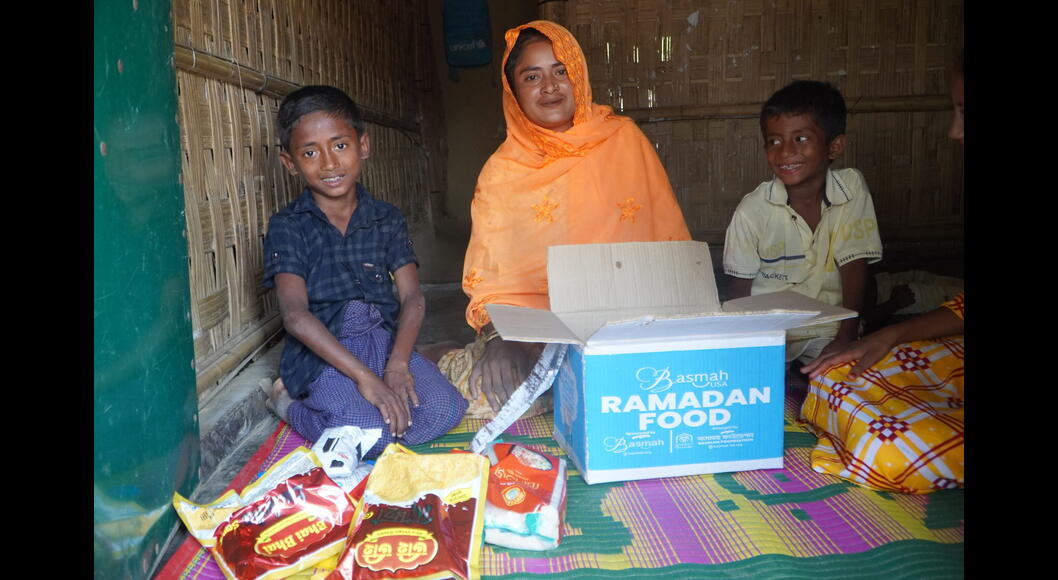
Zakat al-Fitr is a special charity that Muslims must give before the Eid prayer. It is given on behalf of every family member, including children. The purpose of Zakat al-Fitr is to help poor and needy people so that they can also enjoy Eid.
This charity is usually given in the form of food grains or money. It must be given before the Eid prayer so that the poor can buy food and celebrate Eid with happiness and dignity.
Zakat al-Fitr teaches Muslims the importance of sharing and caring for others. It reminds everyone that Eid joy is incomplete if others around us are suffering.
The Day of Eid al-Fitr
The day of Eid al-Fitr starts early in the morning. Muslims wake up early, take a bath, wear clean or new clothes, and apply perfume. Before going for the Eid prayer, it is Sunnah (practice of the Prophet) to eat something sweet, usually dates.
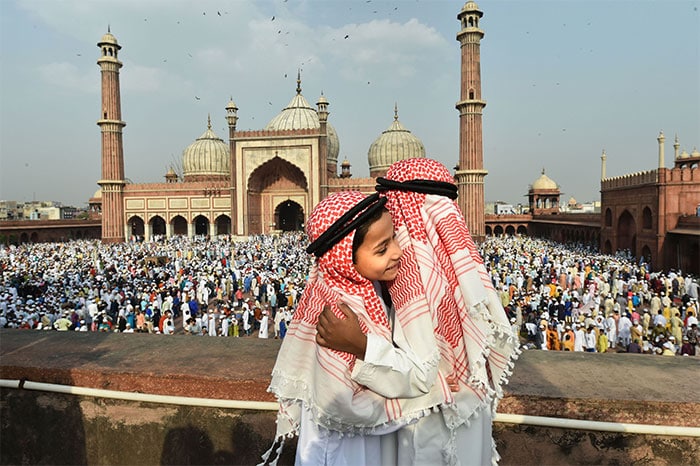
Muslims then go to mosques or open prayer grounds to offer the special Eid prayer. The Eid prayer is usually offered in congregation and includes a sermon. People greet each other with “Eid Mubarak,” which means “Blessed Eid.”
After the prayer, people hug each other, forgive past mistakes, and spread happiness. Families then return home to enjoy festive meals.
Eid Prayer and Its Significance
The Eid prayer is an important part of Eid al-Fitr. It is a way to thank Allah and to come together as a community. The prayer includes extra takbirs (saying “Allahu Akbar”), which means “Allah is the Greatest.”
The sermon after the prayer reminds people about the lessons of Ramadan, the importance of charity, good behavior, and unity. It encourages Muslims to continue doing good deeds even after Ramadan ends.
The Eid prayer shows equality in Islam. People from all backgrounds stand together in rows, showing that everyone is equal before Allah.
Food and Feasting on Eid al-Fitr
Food plays a big role in Eid celebrations. After a month of fasting, Eid is a time to enjoy delicious meals. Different cultures have different traditional dishes for Eid.
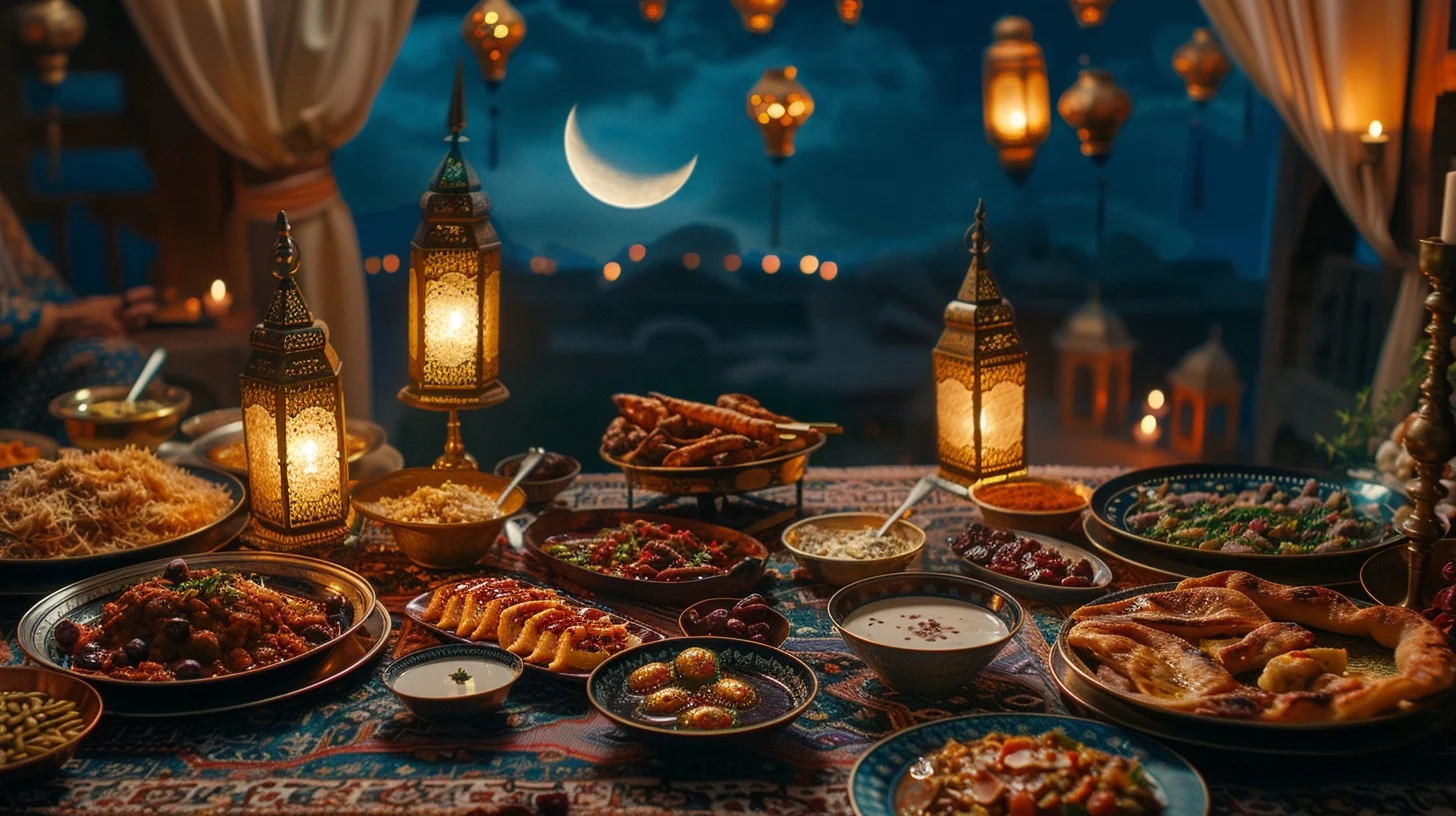
In many places, sweets are an important part of Eid. Dishes like sevaiyan (sweet vermicelli), sheer khurma, dates, cakes, and cookies are commonly prepared. Families invite relatives and friends to share meals together.
Even though Eid is a day of feasting, Islam teaches moderation. People are encouraged to enjoy food but not waste it. Sharing food with neighbors and the poor is also encouraged.
Eid al-Fitr Around the World
Eid al-Fitr is celebrated in many countries across the world, including India, Pakistan, Bangladesh, Saudi Arabia, Indonesia, Turkey, Egypt, and many others. Muslims living in non-Muslim countries also celebrate Eid with great enthusiasm.
In some countries, Eid is a public holiday. Schools, offices, and markets may remain closed. In other places, Muslims take leave from work or school to celebrate.
Each region has its own unique traditions. In some countries, people decorate their homes with lights. In others, children receive money or gifts called “Eidi.” Despite these differences, the main spirit of Eid remains the same everywhere.
Eid al-Fitr in India
In India, Eid al-Fitr is celebrated with great joy and cultural richness. It is a gazetted holiday in many states. Muslims visit mosques early in the morning for Eid prayers.
Markets become lively before Eid, especially areas known for shopping and food. Traditional foods like biryani, kebabs, sevaiyan, and sweets are prepared in homes.
People visit relatives, neighbors, and friends, regardless of religion. Many non-Muslims also join in the celebrations, showing India’s unity in diversity.
Social and Cultural Importance of Eid al-Fitr
Eid al-Fitr has great social importance. It brings people together and strengthens relationships. Families reunite, old disputes are forgotten, and bonds are renewed.
The festival teaches forgiveness and peace. People are encouraged to forgive others and start fresh. This helps in building a peaceful and caring society.
Eid also promotes equality. Rich and poor pray together, eat together, and celebrate together. Through charity, the gap between rich and poor is reduced.
Moral Lessons from Eid al-Fitr
Eid al-Fitr teaches many important moral lessons. One of the main lessons is gratitude. Muslims thank Allah for His blessings and for giving them the strength to fast.
Another lesson is self-control. Ramadan trains people to control their desires, and Eid reminds them to continue this discipline in daily life.
Kindness and generosity are also key lessons. Helping the poor, sharing food, and spreading happiness are central to Eid celebrations.
Eid also teaches unity. It shows that people can live together peacefully, respecting each other’s beliefs and traditions.
Eid al-Fitr and Children
For children, Eid al-Fitr is one of the most exciting festivals. They wear new clothes, receive gifts and money, and enjoy sweets and special food.
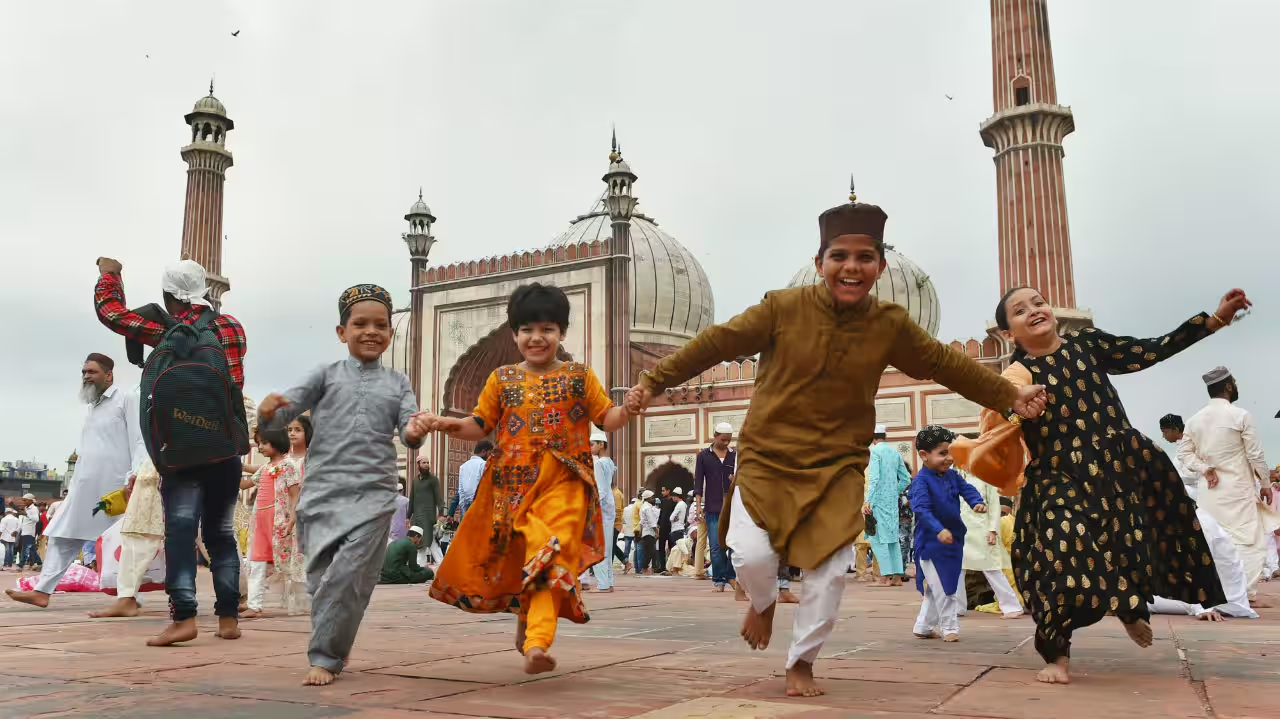
Parents teach children about the importance of Eid, fasting, prayer, and charity. Children learn values like sharing, respect, and gratitude from an early age.
Eid also helps children feel connected to their culture and religion. It creates happy memories that stay with them for life.
The Message of Peace and Brotherhood
Eid al-Fitr sends a strong message of peace and brotherhood. It reminds people that all humans are equal and that kindness should be shown to everyone.
In a world where there is often conflict and division, Eid teaches the importance of understanding and compassion. It encourages people to help each other and live in harmony.
The greeting “Eid Mubarak” is not just a wish; it is a message of love, peace, and goodwill.
Eid al-Fitr in the Modern World
In today’s modern world, Eid al-Fitr is celebrated both traditionally and in new ways. People send Eid wishes through messages, social media, and video calls.
Technology helps families stay connected, especially when they live far apart. Online charity donations also make it easier to help those in need.
However, the core values of Eid remain unchanged. No matter how it is celebrated, the focus is still on faith, family, and kindness.
Challenges and Responsibilities During Eid
While Eid is a joyful time, it also comes with responsibilities. People should remember the poor and needy and not forget them after Ramadan.
Avoiding waste, showing respect to others, and maintaining good behavior are important during Eid. True celebration means spreading happiness, not showing off.
Eid also reminds people to continue the good habits learned during Ramadan, such as honesty, patience, and prayer.
Continuing the Spirit of Ramadan After Eid
One important message of Eid al-Fitr is that Ramadan should not end only as a month, but its spirit should continue throughout the year.

Muslims are encouraged to continue praying, helping others, and living a disciplined life even after Eid. The true success of Ramadan is seen in how a person behaves after it ends.
Eid is not the end of worship but a new beginning of living with faith and goodness.
Conclusion-Free Ending Thoughts
Eid al-Fitr is much more than a festival. It is a celebration of faith, patience, and humanity. It teaches people to be thankful, kind, and united. From fasting and prayer to charity and forgiveness, every part of Eid carries a deep meaning.
Through Eid al-Fitr, people learn that true happiness comes from sharing, caring, and living with purpose. The festival reminds everyone that no matter how different we may be, values like love, peace, and compassion connect all of us.
Eid al-Fitr continues to shine as a symbol of hope, joy, and togetherness, spreading smiles and warmth across the world year after year.
FAQs about Eid al-Fitr
Q1. What is Eid al-Fitr?
Eid al-Fitr is an Islamic festival celebrated at the end of Ramadan to mark the completion of fasting and prayers.
Q2. Why is Eid al-Fitr important for Muslims?
It is important because it thanks Allah for strength during Ramadan and promotes joy, charity, and unity.
Q3. When is Eid al-Fitr celebrated?
Eid al-Fitr is celebrated on the first day of Shawwal, after the sighting of the new moon.
Q4. What is Zakat al-Fitr?
Zakat al-Fitr is a compulsory charity given before Eid prayer to help poor people celebrate Eid.
Q5. How do Muslims celebrate Eid al-Fitr?
Muslims celebrate by offering Eid prayers, wearing new clothes, sharing food, giving charity, and visiting family and friends.
Q6. Is Eid al-Fitr a public holiday?
In many Muslim-majority countries and some other nations, Eid al-Fitr is a public holiday.